

Trimming Transplanted Eyebrows — Routine Care and Trimming After Eyebrow Transplantation
An eyebrow transplant is the most permanent and natural way to restore lost or thinning eyebrows. However, one of the most important aftercare steps for patients following the procedure is regular trimming and shaping. Since hair follicles from the nape of the neck are used as the donor site in eyebrow transplantation, these follicles retain their rapid growth pattern—similar to scalp hair—during the initial stages.
For this reason, the transplanted hair must be trimmed at regular intervals to ensure it looks natural and neat. For many patients, Trimming Transplanted Eyebrows Although it may seem daunting at first, with the right technique and equipment, it becomes an extremely simple and effortless routine.
At Dr. Handan Yavuz’s clinic, during follow-up visits after eyebrow transplantation, we provide our patients with hands-on demonstrations of proper trimming techniques, with the goal of maintaining the eyebrow shape for many years. Eyebrows that are properly trimmed and shaped look so natural that it is impossible to tell they have been transplanted. In this article, we will discuss step by step when to perform the first trim after an eyebrow transplant, the correct trimming techniques, and the mistakes to avoid when shaping the eyebrows.
Why Should Transplanted Eyebrows Be Trimmed?
Hair follicles harvested from the back of the head have a genetically longer active growth phase (anagen phase). While natural eyebrow hairs stop growing and fall out before reaching a few millimeters in length, the hairs that grow from the transplanted hair follicles continue to grow. This situation makes it necessary to trim the eyebrows periodically, especially during the first year after the transplant.
However, this is not a disadvantage—on the contrary, it is an advantage. This is because as the hairs grow, you can modify the shape of your eyebrows as you wish, making them thicker or thinner. For more information on how the growth rate of the hairs slows down as they adapt to their new locations over time, Growth of Transplanted Eyebrows You can review our article.
When Is the First Follow-Up Appointment After an Eyebrow Transplant?
After the procedure, the tissues in the eyebrow area need time to heal and for the hair follicles to become firmly anchored beneath the skin. For this reason, the timing of the first haircut is of critical importance:
- The First 15 Days: Do not use scissors or any other cutting tool near the eyebrow area. During this period, the roots are still in the process of taking hold, and mechanical friction can cause them to fall out.
- Weeks 3 to 4 (First Cut): Usually, just before shock loss begins, the transplanted long hair has grown slightly. If there are any irregular growth patterns that bother the patient, the first minor touch-up can be performed during this period.
- Starting in the 3rd Month (Routine Slaughter): Once the initial shedding is complete and the new, permanent eyebrows begin to grow, you can move on to the routine trimming phase, which should be done every 10–15 days.
How to Trim Transplanted Eyebrows: A Step-by-Step Guide to Trimming Transplanted Eyebrows
To safely shape your eyebrow transplants at home, follow the steps below in order:
1. Prepare and Disinfect the Necessary Equipment
Before you start trimming, be sure to use curved, fine-tipped eyebrow scissors and a clean eyebrow comb. Straight-tipped paper or nail scissors make it difficult to follow the curved shape of your eyebrows and can lead to uneven results. Sterilize your tools with an alcohol-based solution.
Make sure the light in your trimming environment falls directly on your face (soft, diffused front light) to avoid the risk of making incorrect cuts due to shadows. Avoid using magnifying mirrors, as they can distort the overall symmetry of your face and cause you to trim your eyebrows more than necessary.
2. Brush Your Eyebrows in Their Natural Direction
Comb your eyebrows while they are dry. Wet eyebrows do not show their full length, which can cause them to appear shorter than expected once they dry. Comb your eyebrows upward at the beginning, horizontally toward the temples in the middle, and slightly downward at the ends. Following the natural direction of the hairs’ growth will help you clearly see the ends you’ll be trimming.
3. Adjust the Shear Angle Correctly
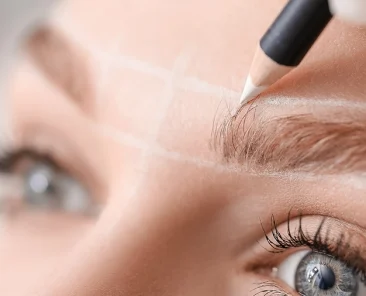
Hold the scissors parallel to your skin, not at a perfectly right angle. Place the eyebrow comb on your eyebrow to identify the hairs that extend beyond the desired shape. Trim only the tips of these hairs that extend beyond this line, millimeter by millimeter. The angle of the scissors should align with the direction of hair growth; otherwise, the hairs may be cut bluntly and appear stiff, like a brush.
4. Shorten Gradually
Instead of cutting a large section all at once, proceed gradually with small snips. Step back from the mirror frequently to check the symmetry of your eyebrows from a distance. Avoid cutting the hairs too close to the root; leaving them slightly longer helps your eyebrows look full and three-dimensional. After you’re done trimming, comb through your eyebrows one last time to check for any stray ends.
Safe Use of Eyebrow Setting Soaps and Waxes
In the first few months following an eyebrow transplant, eyebrow-setting soaps, waxes, or gels are often used to tame the growing hairs and help them lie flat against the skin. While these products are useful for controlling hair direction, certain guidelines must be followed. The products you choose should not contain alcohol, parabens, or harsh chemicals. Alcohol-based gels can dry out the sensitive skin in the transplanted area, which may negatively affect the nourishment of the hair follicles.
In addition, after applying eyebrow-setting soap or wax, it is crucial to gently remove these products from the eyebrows at the end of the day. During the cleansing process, the eyebrows should not be rubbed vigorously; instead, the product should be allowed to dissolve on its own using lukewarm water and a mild cleansing gel. Keeping the pores clear with cleansers helps the hair follicleIt helps their hair follicles receive oxygen and maintain a healthy growth cycle. Skipping steps in your cleansing routine can lead to clogged hair follicles and set the stage for acne.
Dyeing and Chemical Treatments After Eyebrow Transplantation
Another common question we receive from our patients is whether the transplanted eyebrows can be dyed or subjected to chemical styling treatments (such as lamination). To allow the hair follicles to fully integrate into their new locations and for the healing process beneath the skin to be completed, you must absolutely avoid such chemical treatments for the first 6 months following the procedure.
Chemical dyes applied in the early stages contain harsh substances such as ammonia and peroxide, which can damage hair follicles and lead to permanent hair loss. After the 6th month, once a doctor confirms during follow-up visits that the tissue has fully healed, eyebrow tinting can be performed safely. However, even at this stage, it is recommended to choose plant-based dyes that are suitable for sensitive skin.
A patch test must always be performed before dyeing. This test determines whether the chemical dye causes an allergic reaction on a small area of the skin. Sensitized revision tissues are much more likely to exhibit hypersensitivity to chemicals than the scalp.
Table of Cutting and Shaping Stages
The table below summarizes the frequency of trimming and important care details for each post-operative period:
| Time Zone | Frequency of Cutting | Preferred Vehicles | The Most Important Rule to Keep in Mind |
|---|---|---|---|
| 0–1 Month | If necessary, make only one minor correction | Fine-tipped curved scissors | Avoid pressure that could dislodge the roots |
| 1–6 Months | Once a week | Eyebrow comb and curved scissors | Don't cut the hair too close to the scalp; avoid a blunt look |
| 6–12 Months | Every 10 to 15 days | Eyebrow comb and curved scissors | Cut parallel to the natural angle of the eyebrow |
| 12 Months and Beyond | Once or twice a month (or as needed) | Standard eyebrow scissors | Do not pull out hairs by the root with tweezers |
As shown in the table, the need for touch-ups decreases significantly over time. This is because the hair follicles adapt to the skin characteristics of the eyebrow area. To learn more about the overall permanence and long-term results of eyebrow transplantation, Is eyebrow transplantation permanent? You can take a look at our article.
Common Mistakes and Things to Avoid
One of the biggest mistakes patients make when shaping their eyebrows after a hair transplant is **using tweezers**. The transplanted follicles are permanent hair follicles. Even if done to remove hair outside the design area, pulling the transplanted hairs out by the root with tweezers can cause permanent damage to those follicles and prevent them from growing back. Excess hair outside the design area should only be trimmed with scissors or, if necessary, removed using hair removal methods (under the supervision of a specialist).
Another mistake is **using electric razors or straight razors**. These tools can damage the skin around the eyebrows, create a risk of infection, and result in blunt cuts that disrupt the direction of the hairs. Sterile, manual scissors should always be preferred. To examine the differences between transplant methods and how they affect the cutting process, Classic FUE eyebrow transplant and Long FUE You can visit our pages.
**”At Istanbul Eyebrow Transplant, every procedure is customized following a detailed facial analysis. Please contact us for more information about trimming transplanted eyebrows.”**
Frequently Asked Questions
The growth rate of transplanted eyebrows varies from person to person, but they generally need to be trimmed once a week for the first 6 months. After the first year, this interval decreases to once every 15–20 days.
Absolutely not. Pulling transplanted eyebrow hairs out by the root with tweezers or thread can cause permanent damage to the roots and prevent new eyebrows from growing in that area. Any touch-ups should be done only with scissors.
It is not mandatory, but to learn how to perform the first trim and to maintain the shape of your eyebrows, we recommend that you have your first shaping done at our clinic under the supervision of a specialist.
If you cut your eyebrows too short with scissors, there’s no need to worry. Since the roots are still alive, the areas where the hair has fallen out or been cut short will grow back within a few weeks and return to their original shape.
Chemical-based lamination or dyeing procedures should be avoided for the first 6 months following the procedure. After the 6th month, once the tissues have fully healed, these procedures may be performed with the specialist’s approval.
Dr. Handan Yavuz
MAKE AN APPOINTMENT