
01
Instant Preview
Thanks to the long hair strands, the final form of the eyebrow can be previewed immediately after the procedure and the physician can fine-tune it.
Advanced Technique to Restore Natural Eyebrow Appearance
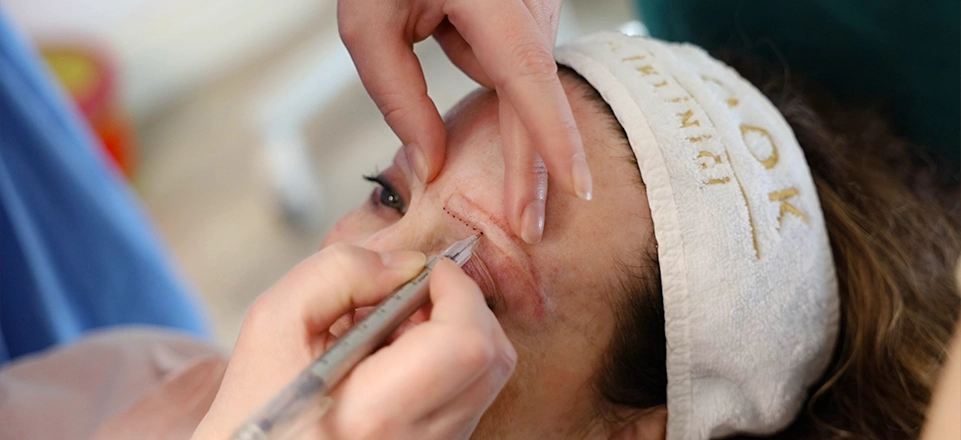
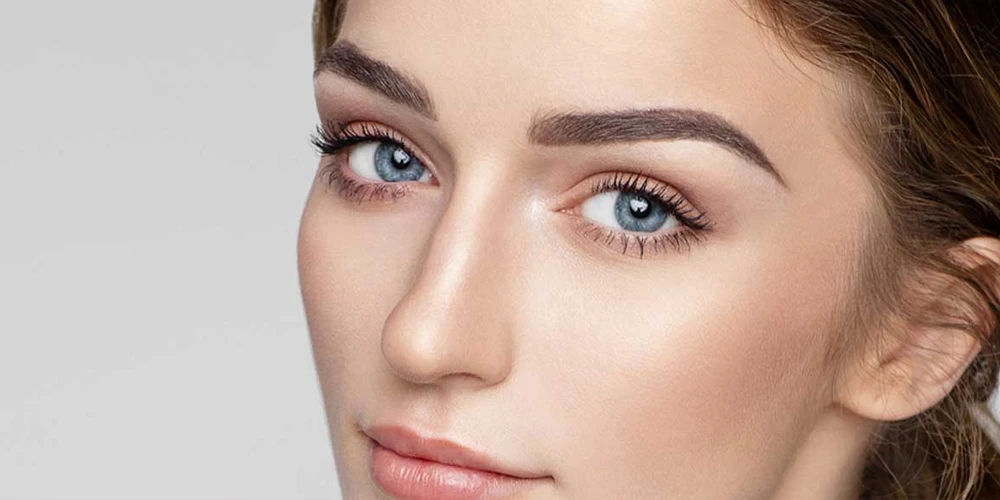
Eyebrows are one of the most decisive elements of facial aesthetics. Eyebrow density, shape and symmetry directly affect facial expression, gaze and overall facial balance.
Genetic factors, excessive eyebrow growth, hormonal changes, trauma, burns or dermatological diseases can lead to thinning or loss of eyebrows.
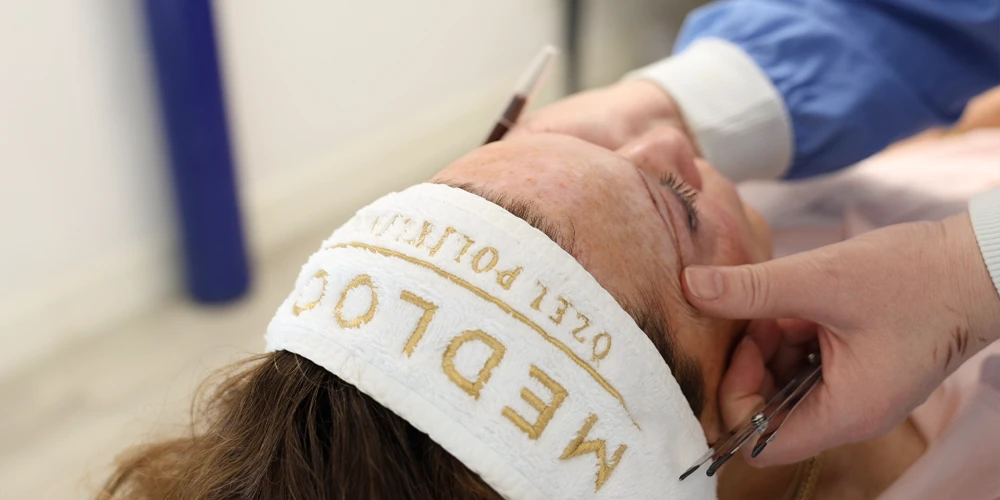
Long Hair FUE Eyebrow Transplantation, in order to eliminate this loss healthy follicles taken from the scalp are transplanted to the eyebrow area without cutting the hair strands (long) is an advanced method of brow architecture.
The cost of the Long FUE technique is largely determined by the number of grafts and the planning involved. For current figures: Long FUE eyebrow transplant prices and Eyebrow transplant cost. What to look for when choosing a clinic in Istanbul: Istanbul Eyebrow Transplant Guide.
Advantages
While the donor area is shaved in standard methods, in the Long Hair FUE technique, the hairs in the donor area are removed while preserving their existing length (2-5 cm). This method requires higher surgical experience and technical precision compared to the standard FUE technique.
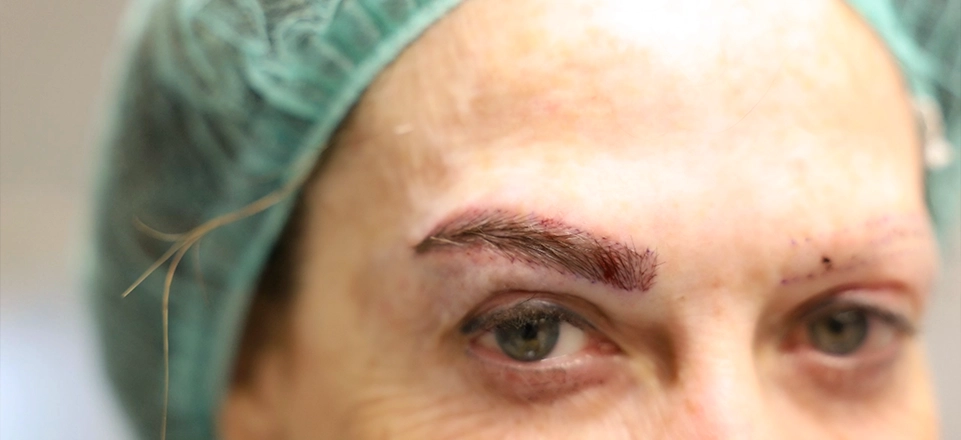
Thanks to the long hair strands, the final form of the eyebrow can be previewed immediately after the procedure and the physician can fine-tune it.
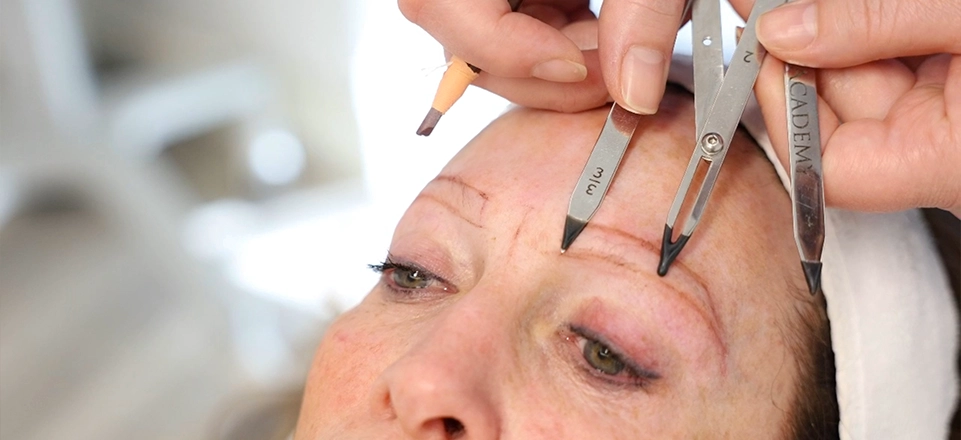
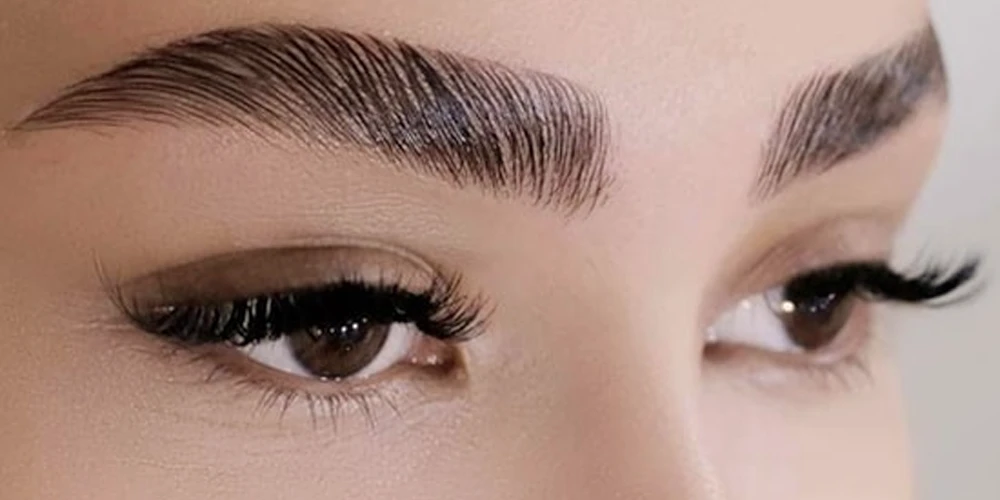
Since the surgeon can see the natural curve and direction of the hair shaft during the procedure, the natural architecture of the eyebrow is created perfectly.
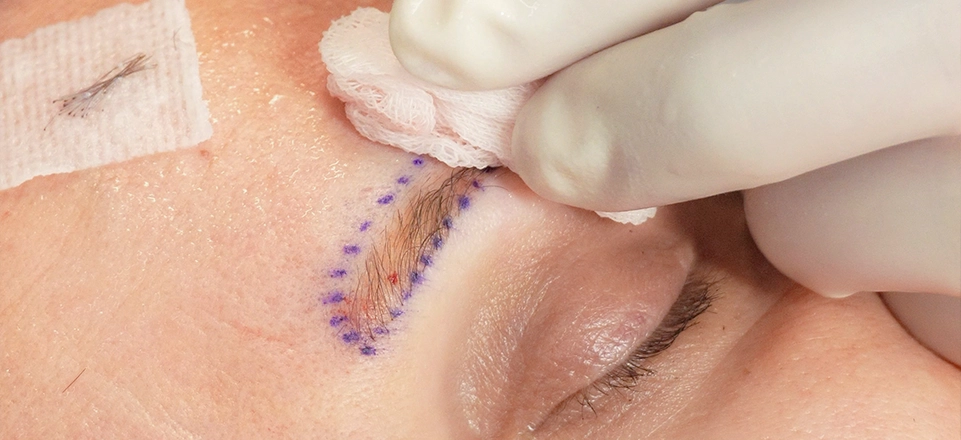
The different orientations of the eyebrows at the beginning, middle and tail (up, horizontal, outward/downward) are more accurately imitated.
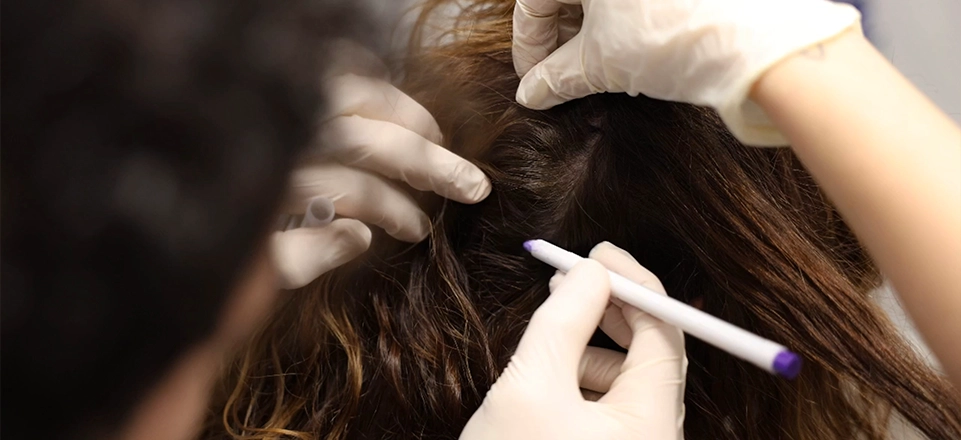
Since there is no shaving in the donor area, there is no significant visual change and you can return to daily social life much more easily.
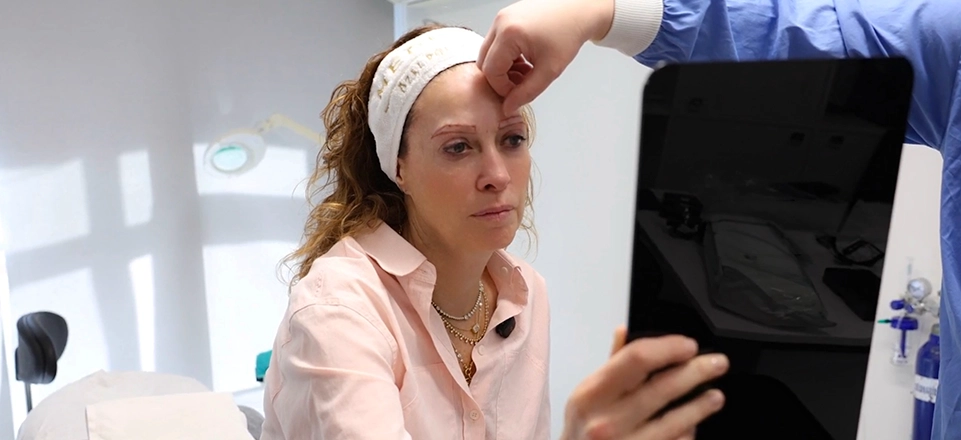
Long hairs partially hide the micro crusting and slight redness that may occur after the operation.
Step by Step
Long Hair FUE is a high-precision procedure that does not feel pain because it is performed under local anesthesia or sedation.
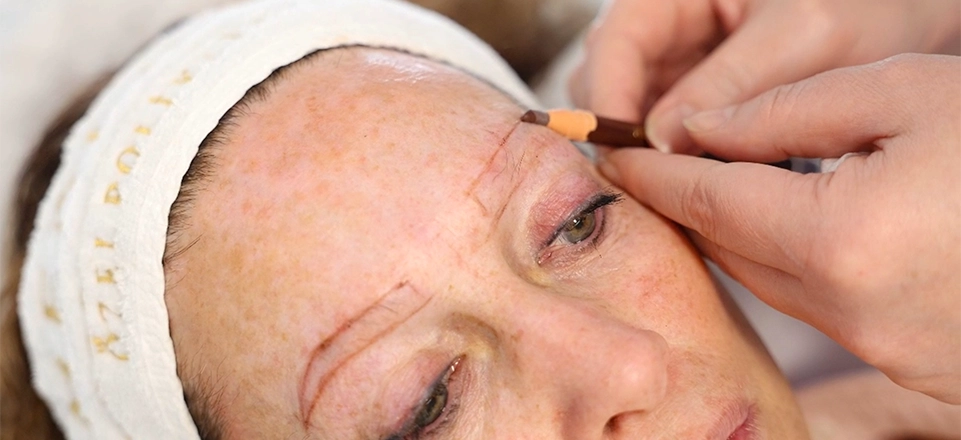
The patient's facial anatomy and the area of loss are evaluated to determine the ideal form of the eyebrow (start, curve and end points).
From the nape of the neck, long hair suitable for the eyebrow structure is removed whole without shaving and without breaking with special windowed punch tips.
The long hairs are placed in the channels opened by controlling the angle, depth and direction at millimetric level.
When the procedure is completed, the long hairs are visible; symmetry and density distribution are checked and additional grafts are placed if necessary.
Who Is It For?
Recovery Process
Stage 1
Mild redness, edema and temporary crusting may occur. These symptoms are a natural part of the expected healing process and will soon disappear.
Stage 2
Transplanted roots may experience a temporary and natural shedding. The root structures of the follicular units remain viable under the skin.
Stage 3
The hair follicles under the skin return to the growth phase and begin to form new eyebrow hairs. The first symptoms begin to be observed during this period.
Stage 4
A significant increase in density is observed. The shaping and plumping of the eyebrow line gains clarity in this phase.
Stage 5
The final and permanent result is fully realized. The majority of transplanted grafts reach full maturation and complete the natural appearance.
Eyebrow transplantation is a very safe procedure when performed by physicians experienced in eyebrow architecture.
Since the transplanted roots are taken from the nape of the neck, they tend to elongate. Regular shortening is recommended during the first year. Over time, the elongation rate slows down due to recipient dominance.
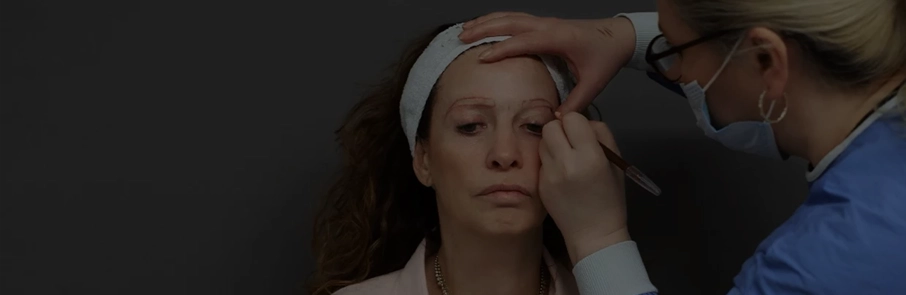
As a physician certified by the Ministry of Health, Dr. Handan Yavuz combines a scientific approach with an aesthetic sensibility, aiming to create natural eyebrows that harmonise with each patient's face.
Other Methods