

Eyebrow Transplantation in the Summer: Myths, Facts, and a Scientific Approach
One of the most common misconceptions about cosmetic surgery is the belief that procedures such as hair and eyebrow transplants cannot be performed during the summer months. Many people constantly postpone these treatments until the fall or winter months, believing that hot weather, sweating, or sunlight will cause irreversible damage to the transplanted follicles.
Well, from a scientific perspective Can eyebrow transplants be done in the summer?? Short and simple answer: Yes, it’s definitely possible. Therefore, concerns about whether eyebrow transplants can be performed in the summer have no scientific basis. In fact, the acceleration of metabolism and the increased rate of cellular renewal during the summer months can actually facilitate the healing process even further when proper aftercare protocols are followed.
The new generation of hair removal treatments offered at our clinic, led by Dr. Handan Yavuz, Long FUE This technique makes undergoing cosmetic procedures during the summer months much more comfortable. The requirement to shave the donor area—the biggest obstacle encountered with traditional methods—is completely eliminated with the Long FUE method. Since the hair on the back of the head is not shaved and the hairs are transplanted into the eyebrow area while still long, you can resume your social life immediately after the procedure. This allows you to achieve the full, lush eyebrows you’ve always dreamed of without disrupting your summer vacation plans or compromising your work and social life.
When planning surgery during the summer, the most critical consideration is not the procedure itself, but rather the protective measures to be taken during the postoperative period. During this process, Sun Protection After Eyebrow Transplantation comply with the rules and the planting area UV raysProtecting them directly affects the success of graft take. Similarly, during the early stages of the healing period The Sea and the Pool After Eyebrow Transplantation Strictly adhering to these restrictions is vital for preventing the risk of infection. In this guide, we’ll examine in detail everything you need to know about eyebrow restoration during the summer months, including the scientific facts and how to manage the recovery process.
Can Eyebrow Transplants Be Performed in the Summer? Dermal Physiology and the Healing Process
In the medical world, seasonal restrictions are generally outdated practices dating back to a time when surgical techniques and sterilization capabilities were inadequate. In today’s modern, sterile, and climate-controlled clinical environments, the seasons have no direct negative impact on the success of procedures. When our body’s physiological healing mechanisms are examined in detail, it becomes clear that the summer months actually offer some unique biological advantages:
- Accelerated Cellular Metabolism: During the summer months, blood circulation is more active due to the heat. The increase in microcirculation in the epidermis and dermis layers of the skin ensures that the transplanted hair follicles (grafts) are supplied with oxygen and nutrients more quickly.
- The Process of Vascularization: For the transplanted hair follicles to take root permanently in their new locations, new capillary connections (neovascularization) must form within the first 72 hours. Warm air and increased blood flow biologically support and accelerate this vascularization process.
- Tissue Regeneration Rate: During the summer, increased consumption of fresh fruits and vegetables and the peak of vitamin D synthesis activate the immune system and tissue repair mechanisms, thereby shortening recovery time.
- Faster Distribution of the Payment: In hot weather, as the capillaries dilate, the lymphatic drainage system also becomes more active. This helps the body eliminate minimal post-operative edema and swelling more quickly than during the winter months.
However, in addition to these biological advantages brought by the summer season, there are also some external factors that need to be managed. Excessive sweating, direct sunlight (UV radiation), and chemicals and microorganisms in ocean or pool water can cause irritation or infection in the sensitive implant sites.
For this reason, while undergoing eyebrow restoration during the summer months is completely safe, the post-operative care protocol for the first 14 days requires much greater discipline and attention. When you manage the process correctly, seasonal factors cease to be risks and instead become factors that support your recovery. Since cellular regeneration proceeds more rapidly than in the winter months, patients are often able to complete the scabbing process in a shorter timeframe—typically 7 to 8 days.
Shave-Free Long FUE Technology: Aesthetic Comfort During the Summer Months
Traditional hair and eyebrow transplant methods, such as Classic FUE eyebrow transplant or techniques such as FUT can be quite challenging for patients during the summer months. In traditional methods, shaving the back of the neck makes it immediately obvious from the outside that a procedure has been performed.
In addition, the red spots and scabs that form when the short-cropped roots grow into the eyebrow area cause patients to avoid social settings during the summer months. Wearing a hat or bandage while out and about on hot summer days can also be an uncomfortable experience. The shaved appearance in the nape of the neck restricts the freedom to tie up one’s hair, particularly for people with short hair and women.
In contrast, the Long FUE technique completely eliminates these problems thanks to its shave-free method and the extraction of long hair follicles. Hair strands extracted from the back of the head are transplanted to the eyebrow area while still intact. As a result:
- As soon as the procedure is complete, you can immediately see the new shape, direction, and density of your eyebrows.
- Scabs and redness are not visible from the outside because they are hidden beneath the ingrown long hairs.
- Since the donor area (the back of the head) is not shaved, the hair on top completely covers the extraction sites. You can attend business meetings and dinner parties without interrupting your social life.
- The placement of long grafts helps the physician determine the natural angle and direction of hair growth (particularly the horizontal growth patterns in the middle and outer sections of the eyebrow) with much greater precision.
- Setting the direction of the hair correctly prevents the eyebrows from growing straight or patchy in the future and ensures a natural arch.
For those who have limited time during the summer months, do not wish to use their annual leave for this procedure, or prefer to keep the procedure confidential, Long FUE is a modern, structured solution that minimizes seasonal challenges. Thanks to the shave-free procedure, our patients can avoid the psychological stress associated with surgery and maintain their normal standard of living.
A Comparison of Eyebrow Transplantation Methods During the Summer Months
The table below provides a comparison of the levels of comfort and limitations that different eyebrow restoration techniques offer patients during the summer months:
| Criteria | FUT Method | Classic FUE Technique | Long FUE Technology |
|---|---|---|---|
| Donor Area Shave | No shaving is required, but a strip-shaped suture line remains at the nape of the neck. | The donor site (back of the neck) is shaved completely or partially. | Unshaven. Hair retains its length, and there are no marks left behind. |
| Post Process View | A scar on the back of the head, short hair follicles on the eyebrow, and severe flaking. | A shaved patch on the back of the neck, red spots on the eyebrow. | An instant, natural look. The shells are hidden beneath long hairs. |
| The Challenge of Sun Protection | The suture line and eyebrow area require long-term, high-level protection. | The shaved back of the neck and eyebrow area are very sensitive to sunburn. | Only the eyebrow area is preserved; it is naturally covered by hair from the donor area. |
| No Swimming in the Sea or Pool | This is prohibited until the stitches are removed and the wound has healed (at least 4 weeks). | This is prohibited until the micro-wounds have completely healed (approximately 3–4 weeks). | Microschools heal quickly. You can go swimming after the 14th day. |
| Return to Social Life | 10–14 Days (Allowing time for the stitches to be removed and for swelling to subside). | 7–10 Days (Allow time for the shaved area to grow back and for the scabs to fall off). | The Same Day. You can return to your normal social life as soon as the procedure is over. |
As can be clearly seen in this comparison table, the Long FUE technique is best suited to the dynamic social environment of the summer months. Thanks to both the preservation of the donor area and the rapid healing of the microchannels in the eyebrow region, the limitations posed by summer are minimized.
Critical Post-Operative Care Protocol for Eyebrow Transplantation During the Summer Heat
The key to achieving successful eyebrow transplant results during the summer is to properly manage the first two weeks following the procedure. The summer care protocol we provide to our patients after procedures performed at our clinic includes the following:
1. Sunlight and Ultraviolet (UV) Protection
Newly transplanted grafts and the transplanted skin tissue are very sensitive after the procedure. Sunlight (UVA and UVB) can cause discoloration (hyperpigmentation) in the transplanted area and damage the structure of the fresh tissue. For the first 14 days, the eyebrow area should be physically protected from direct sunlight by wearing soft-brimmed hats with wide brims. Care should be taken to ensure that the hat does not come into direct contact with the eyebrow area or apply pressure to it.
After the 14th day, you should apply a high-SPF (SPF 50+) mineral-based sunscreen suitable for sensitive skin, as recommended by your doctor, to the area around your eyebrows. Mineral (physical) filters should be preferred over chemical filters because mineral filters form a barrier on the skin’s surface that reflects UV rays and does not require chemical absorption. When applying sunscreen, do not rub it in; instead, apply it using a patting motion.
2. Restrictions on the Ocean, Pools, and Wet Areas
While seawater contains salt, pool water contains high concentrations of chlorine and disinfectant chemicals. Both environments can be rich in microorganisms, which increases the risk of infection in newly formed microchannels. In addition, chlorine can cause transplanted roots to dry out and become damaged. For the first 14 days, you must absolutely avoid areas such as the ocean, swimming pools, hot tubs, saunas, steam rooms, and tanning beds.
While patients are permitted to go into the sea following the clinical checkup at the end of the 14th day, it is generally recommended to wait until one month has passed before entering chlorinated water, such as a pool. This waiting period is necessary for the capillary network around the grafts to fully develop and for the epithelial tissue to completely heal. Upon exiting the water, it is recommended to rinse off gently with clean drinking water.
3. Sweat Management and Physical Activities
Excessive sweating during the summer heat can lead to moisture buildup in the hair follicles and create conditions conducive to bacterial growth. The acidic nature of sweat can also irritate newly healing skin tissue. For this reason, you should avoid prolonged exposure to direct sunlight for the first 7–10 days after surgery and make sure to stay in air-conditioned, cool environments.
Intense cardio exercises, fitness workouts, high-intensity Pilates, and any sports activities that cause excessive sweating should be postponed for the first 2 weeks. If sweating occurs, the eyebrow area should not be wiped vigorously; instead, moisture should be gently blotted away using a sterile gauze pad. This gentle touch prevents the grafts from shifting out of place. The indoor temperature should be maintained at a comfortable level using air conditioning.
4. Daily Bathing and Hygiene Routines
In the summer, dust, sweat, and environmental pollution build up on the skin more quickly. Maintaining good hygiene in the eyebrow area is even more important during this season. The special cleansing technique demonstrated to you at our clinic should be applied once a day for the first 10 days using gentle motions. During cleansing, lukewarm or cool water should be used instead of excessively hot water, and the water should not be directed at the eyebrow area under high pressure.
The shampoo and conditioning lotions used must be special products prescribed by our clinic that do not contain parabens, alcohol, or harsh chemicals. After rinsing, the hair should be gently patted dry with disposable paper towels instead of a regular towel, and rubbing motions should be avoided entirely.
Summer Special Eyebrow Transplant Planning Calendar
If you’re planning a trip or vacation during the summer, it’s quite easy to work the eyebrow transplant procedure into your plans. Here’s a detailed planning schedule covering both the pre- and post-operative periods:
- Operation Day (Day 0): The Long FUE procedure is performed in a comfortable setting. Your donor area is not covered; it is camouflaged by your own hair. You can return home the same day and rest.
- The First 3 Days (Days 1–3): This is the most sensitive period. It is important to rest at home, stay in a cool environment, and protect the eyebrow area from any physical contact. To prevent swelling and edema, you should sleep with your head elevated. Activities that strain the eyes, such as watching TV or reading, should also be limited during this period. The use of keyboards and mobile devices should also be kept to a minimum.
- Initial Washing and Shedding Process (Days 4–10): The initial cleansing is performed at our clinic, and instructions on how to cleanse the area are provided for the following days. As the scabs gradually fall off, the transplanted long eyebrow hairs retain their natural appearance. Be sure to wear a protective hat with a brim when going outside.
- Social Integration and Return to the Sea (Day 14): After a clinical or photographic follow-up, all the scabs will have fallen off. Since the microchannels have completely closed, you will be allowed to go in the water. After this stage, you can start using sunscreen, and the requirement to wear a hat may be relaxed.
- Shock Shedding and Regrowth (2nd Month and Beyond): Some of the transplanted long hairs will go through a phase of shock loss. This process is completely natural. As fall approaches, new eyebrow hairs—which will be permanent and stay with you for life—will begin to grow from the roots that have shed.
The Cost and Return on Investment of Eyebrow Transplantation in the Summer
Summer is a time when the pace of work slows down and people have more time for themselves. Undergoing an eyebrow restoration during this period will allow you to enter the fall and winter months with a new, fresh, and energetic facial expression. The cost of the procedure is determined based on the number of grafts the patient needs and the complexity of the technique used.
Since the Long FUE method involves steps that require a high level of expertise—such as the use of specialized microscopic harvesting tools and the transfer of long hair follicles without shaving—it may be priced differently from traditional methods. For more information, Long FUE eyebrow transplant prices You can visit our website. Your investment will pay off with natural-looking, long-lasting eyebrows. During your initial consultation with Dr. Handan Yavuz, a treatment plan tailored to your facial anatomy will be developed, and a clear budget will be calculated for you.
Frequently Asked Questions
During the first 7–10 days—the sensitive healing period—it is recommended that you stay in air-conditioned environments and avoid activities that cause excessive sweating. Light sweating does not harm the roots, but excessive and persistent sweating can increase the risk of infection, so caution is advised.
Direct sun exposure is strictly prohibited for the first 14 days following the procedure, and you must protect yourself by wearing a hat with a brim. After the 14th day, you may go out in the sun for short periods using high-SPF mineral sunscreen; however, you should wait at least one month before engaging in direct or prolonged sunbathing.
No. The risk of infection does not increase seasonally in surgeries performed under sterile clinical conditions. The risk of infection depends entirely on adherence to post-operative hygiene guidelines, restrictions on swimming in the sea or pool, and avoiding physical contact.
With the Long FUE method, the microchannels close quite quickly. Generally, by the 14th day after the procedure, once the scabs have completely fallen off, there is no problem with swimming in clean seawater.
The ideal scenario is to have the procedure done at least 14 days before your active beach and sun vacation. After completing the critical first 14-day recovery period in Istanbul and shedding your skin, you can safely go on vacation.
No. Shock loss is a physiological phase that occurs as a result of the natural process of oxygen deprivation experienced by hair follicles after transplantation. It has nothing to do with the season or air temperature, and it is normal for every patient to experience it.
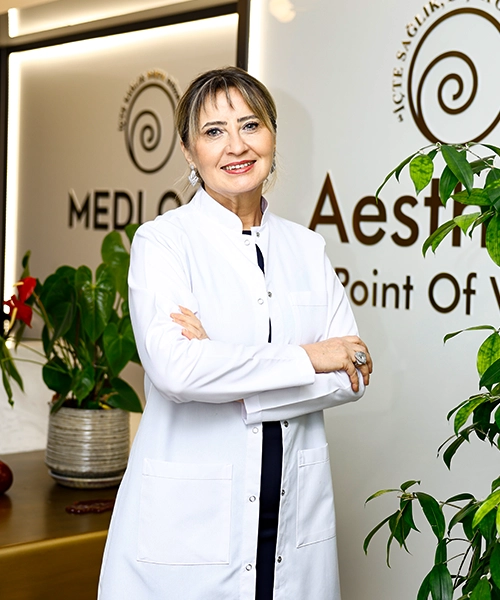
Dr. Handan Yavuz
MAKE AN APPOINTMENT