

FUT Eyebrow Transplantation Errors: Aesthetic Issues with Older-Generation Methods
There are certain surgical methods that were frequently used in the past for eyebrow restoration but have since become obsolete. Chief among these is the FUT (Follicular Unit Transplantation) technique, which involves excising a strip of skin from the donor area. Although the FUT method has been used in hair transplantation for many years, its application in an area like the eyebrows—which requires extremely fine work and natural details—has led to serious aesthetic and structural problems.
Today, many patients who come to our clinic want to correct the damage caused by these outdated techniques used in the past. One of the most common and successful solutions for correcting this damage is the new generation of FUT eyebrow transplant correction and revision protocols.
At our clinic, led by Dr. Handan Yavuz, the permanent scars and unnatural-looking results left by older methods are corrected using the Long FUE technique, which represents the cutting edge of modern medical technology. Unlike the crude, harsh, and uncontrolled nature of the FUT method, Long FUE offers patients a comfortable revision option thanks to its shave-free and suture-free approach. In this article, we will examine the technical errors caused by the FUT method in eyebrow transplantation, the impact of these errors on patients’ quality of life, and the aesthetic solutions achieved through Long FUE during the revision process.
What Are the Technical Limitations of the FUT Method?
The FUT technique is a product of an era when microsurgical instruments and microsurgical graft dissection technologies were not yet sufficiently advanced. The primary reasons for the failure of this method in eyebrow transplantation can be scientifically explained as follows:
- Linear Scar in the Donor Site: A 10–15 cm strip of skin is surgically excised from the back of the neck, and the remaining area is closed with stitches. This results in a permanent, linear scar in the nape of the neck that is immediately noticeable when the hair is cut short. This scar tissue can also impair the natural elasticity of the scalp, leading to a feeling of tightness in the nape of the neck.
- Graft Thickness and Hair Bundles: Grafts isolated under a microscope from a strip of skin typically contain thick tissue from the scalp. Furthermore, when these grafts—which contain clusters of two or three hair follicles—are transplanted into the eyebrows, they result in coarse, unnatural-looking tufts of hair on the eyebrows. Damage to the protective tissue surrounding the follicles during the dissection process performed under a microscope also leads to the weakening of the hair follicles.
- The Challenge of Angle and Direction Control: In the FUT method, the grafts are transplanted after being cut short. Since the hair’s natural growth curve is not visible, the angle and direction of the transplanted grafts cannot be controlled. This causes the eyebrows to grow unevenly and in different directions. The uncontrolled growth of the eyebrows completely disrupts the symmetry and expressiveness of the patient’s gaze.
- Skin Damage (Grooving) in the Planting Area: Channels created with a scalpel or thick needles to place grafts leave indentations or rough skin texture (grooves) in the eyebrow skin after healing. This results in a rough, coarse, orange-peel-like appearance on the skin.
What Are the Common Mistakes in FUT Hair Transplantation?
The most common aesthetic complaints among patients who have undergone eyebrow transplantation using the FUT method are as follows:
First, hair does not grow in the area where stitches were placed at the back of the neck, leaving a permanent band-like scar. This is a major source of discomfort, especially for male and female patients who prefer to keep their hair short. Second, the grafted hair follicles in the eyebrow area grow very thick and stiff while retaining their hair characteristics, causing the eyebrows to lose their natural soft texture.
The third mistake is that the roots, whose angle cannot be adjusted, grow straight up toward the sky; this, in turn, Revision of eyebrow transplantation with a straight technique gives rise to the need. Finally, an eyebrow design that does not suit the facial anatomy can result in unnatural, pencil-drawn-looking results that lack aesthetic appeal. Additionally, physical discomfort—such as itching, tightness, or a stinging sensation in the area of the suture line—may occasionally occur, especially during changes in weather.
How Can FUT Complications Be Corrected with Long FUE?
Correcting flawed eyebrow transplants performed using outdated methods is a much more complex process than performing a transplant from scratch. The correction protocol used at our clinic combines modern microsurgical techniques:
1. Removal of Thick and Synthetic Grafts
Hair follicles that grow in clusters on the eyebrows, are misdirected, or are excessively thick are removed one by one using micro-punch instruments without damaging the skin. This procedure also helps reduce skin imperfections in the eyebrow area. Skar Removing a root from within the tissue requires a high degree of manual dexterity; otherwise, tissue loss may worsen.
2. Concealing Scars
Hair follicles are transplanted into the donor area where FUT scars are present or into micro-indentations in the eyebrow skin to camouflage these scars. The new follicles transplanted over the scars help conceal the scar tissue, restoring a natural appearance to the hair and eyebrows. Since blood circulation in scarred tissue is lower than in normal skin, special channel-creation techniques are used to ensure the grafts receive adequate nourishment.
3. Achieving a Natural Angle and Volume with Long FUE
In place of the removed defective hair follicles, individual hair follicles—taken from the back of the head in their natural, uncut state—are implanted. Long FUE The greatest advantage of this technique is the ability to perform the transplant while taking the hair’s natural curvature into account. This allows for transplants to be performed at every point of the eyebrow at a full angle to the skin (10–15 degrees) and in the correct direction of growth. As a result, the eyebrow area regains its natural volume, and the previous artificial appearance is completely eliminated.
Micropigmentation as an Aid in Concealing FUT Scars
In some cases, the scar from the incision in the back of the neck (FUT scar) may be very wide or deep. In such cases, a hair transplant alone may not be sufficient to completely cover the scar. In such cases, we combine the micro hair transplant procedure performed over the scar with medical micropigmentation (hair/eyebrow tattooing).
Micropigmentation is a procedure in which special organic pigments are injected beneath the skin using micro-needles to match the color of a scar to the surrounding skin tone. Micropigmentation is used to create a depth effect in the scarred area where hair follicles have been transplanted. This two-step approach provides excellent camouflage, particularly for patients who prefer to wear their hair short, and makes the surgical scar at the nape of the neck completely invisible.
Modern Long FUE Comparison with FUT Method
The table below compares the disadvantages of the FUT method with the modern solutions offered by Long FUE revision technology:
| Feature / Parameter | FUT Method (Old Technique) | Long FUE Method (Modern Technique) |
|---|---|---|
| Surgical Intervention in the Donor Site | The strip of skin is cut out, and the wound is sutured | They are removed one by one with a micro-punch; no stitches are required |
| Risk of Donor Markers | A permanent linear scar that lasts a lifetime | No scars remain; the donor site is completely concealed |
| Hair Thickness Check | Uncontrolled (multiple and coarse grafts) | Delicate (only single and thin roots are selected) |
| Angle Accuracy | Very low (estimated guidance) | Mükemmel (uzun kıllarla %100 net yön kontrolü) |
| Social Integration | Long recovery process, bandaging, and suture care | Returning to social life on the same day (unshaven) |
As shown in the table, the physical strain and aesthetic risks associated with the FUT method are quite high. In contrast, Long FUE provides maximum comfort and a natural-looking result for the patient in both revision procedures and primary transplants. If you have not had an eyebrow transplant before and are researching the differences between the techniques, Classic FUE eyebrow transplant It is best to consult with our specialist to evaluate the Long FUE options.
Points to Consider After Revision
After correcting FUT errors, the recovery process must be managed with great care. Because the treated area may contain old suture marks or scar tissue, circulation and tissue nutrition must be closely monitored. To ensure the newly transplanted follicles take root, you must strictly avoid mechanical trauma, rubbing the eyebrows, or scratching them with your fingernails during the first week.
The post-operative shock loss phase is a normal part of the process. As the transplanted hairs fall out within the first month, new eyebrow hairs begin to grow from the healthy follicles beneath the skin starting in the third month. Full recovery and the final shape taking hold can take up to 12 months. During this process, the vitamin supplements and topical lotions recommended by our clinic help accelerate healing by improving tissue quality.
The physical and aesthetic issues caused by outdated methods are not your fate. You can trust our clinic’s experienced team to correct deformities caused by improper procedures and restore your facial features. For more information and a comprehensive analysis of the process, Correction of Faulty Eyebrow Transplants You can visit our website.
**”At Istanbul Eyebrow Transplant, every procedure is customized following a detailed facial analysis. Please contact us for more information about FUT eyebrow transplant complications.”**
Frequently Asked Questions
Yes, using the FUT method, roots that were implanted incorrectly or too roughly can be removed one by one from beneath the skin using micro-punch technology, and the skin tissue in that area can be cleaned.
Yes, by transplanting new hair follicles onto the scar in the nape of the neck using the micro-FUE or Long FUE method, this strip-shaped scar can be largely camouflaged.
No, modern clinics and specialist physicians have completely abandoned the FUT method for eyebrow transplants due to high aesthetic risks, scarring in the donor area, and the need for stitches.
FUT itself may have left a scar; however, since the micro-punches used during the revision are extremely fine, they do not leave a new scar—on the contrary, they help camouflage the old scars.
Depending on the size of the area to be corrected and the number of defective grafts, revision procedures typically take between 3 and 5 hours to complete.
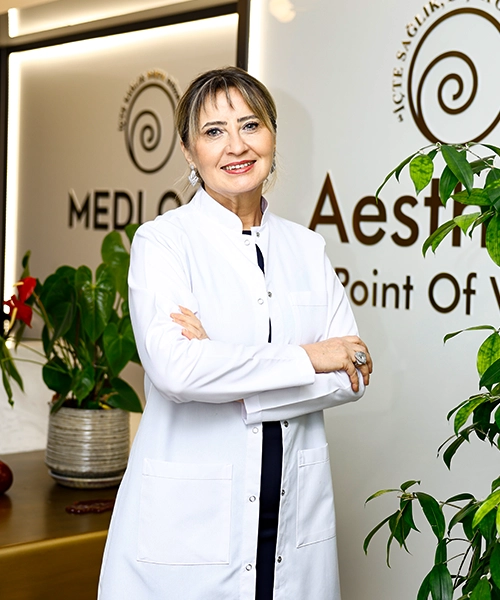
Dr. Handan Yavuz
MAKE AN APPOINTMENT