

Correcting Failed Eyebrow Transplants: Issues and the Need for Revision
Eyebrows are one of the most important aesthetic elements that define symmetry, expression, and the meaning of a person’s gaze. In recent years, the desire for natural and full eyebrows has significantly increased the demand for eyebrow transplantation procedures. However, this rise in demand has also led to an increase in procedures performed by inexperienced practitioners using inadequate techniques.
When procedures are performed without proper planning, using incorrect angles and unsuitable grafts, patients may end up with results that are aesthetically unsatisfying and look unnatural. This situation places a significant psychological burden on individuals and can lead to negative consequences, including withdrawal from social life.
Fortunately, thanks to modern medicine and advanced microsurgical techniques, it is possible to correct botched eyebrow transplants. Known as revision or correction surgeries, these procedures aim to correct technical and aesthetic errors made during the initial surgery and restore the eyebrows to a natural shape that harmonizes with the facial anatomy.
At our clinic, revision procedures led by Dr. Handan Yavuz are planned to be entirely personalized and based on scientific analysis. In this guide, we will examine in detail the causes of failed eyebrow transplants, correction methods, and the role of modern techniques in this process. Our goal is to eliminate the aesthetic concerns caused by a poorly performed procedure and restore the face’s natural harmony.
The Anatomical and Physical Realities of Eyebrow Transplantation
To perform a successful eyebrow transplant and avoid mistakes, it is essential to have a thorough understanding of the eyebrow’s anatomical structure. Eyebrow hairs have very different characteristics from scalp hair. If these anatomical differences are ignored, the transplant is bound to fail:
- Exit Angles: While scalp hair typically grows at angles ranging from 45 to 90 degrees from the scalp, eyebrow hairs grow at extremely flat angles, approximately 10 to 15 degrees. Failing to capture this flat angle causes the eyebrows to appear upright. As one moves from the center of the eyebrow toward the edges, this angle becomes even narrower, giving the appearance of being almost completely flush with the skin.
- Change of Direction: Eyebrows do not grow in a single direction. The inner part of the eyebrow (near the nose) grows upward, the middle section grows horizontally toward the temples, and the outer part grows downward and outward. These directions must be precisely replicated during the transplant procedure. The angle of each hair follicle must be in harmony with the angles of the adjacent hairs.
- Single-Family Home: Natural eyebrow follicles consist almost entirely of single hair follicles. In the scalp, however, double, triple, or quadruple grafts (follicular units) are common. Directly implanting multiple hair follicles into the eyebrow area creates an unnatural and coarse appearance. Therefore, it is essential that grafts be meticulously separated into single units under a microscope prior to transplantation.
What Are the Most Common Mistakes in Eyebrow Transplantation?
We can categorize the most common mistakes we encounter in patients who apply to our clinic for revision surgery as follows:
1. Incorrect Takeoff Angle and Direction (Grass Man Look)
The most common technical error is implanting grafts into the eyebrow skin at a very steep angle (45–90 degrees). This causes the eyebrows to grow forward, resulting in an unnatural appearance commonly referred to as a “grass man” or “brush.” Patients experiencing this issue are often forced to use gel or styling products constantly to tame their eyebrows.
If an angle error is accompanied by a directional error, the eyebrows take on a complex and irregular appearance. In such cases Revision of eyebrow transplantation with a straight technique The incorrect grafts must be removed one by one and re-implanted at the correct angle. These incorrect angles completely distort the expression in the person’s eyes, giving them an unnatural stiffness.
2. Use of Multiple Grafts and an Unnatural Appearance
Implanting multi-grafts (roots containing 2 or 3 hair strands) used in hair transplantation into the eyebrow area without separating them results in eyebrows that appear thick, stiff, and unnatural. In a natural eyebrow, hair follicles grow individually. In areas where multi-grafts are implanted, hair bundles form, and this makes the artificial appearance noticeable even from a distance. This not only affects the aesthetic appearance but also makes combing and styling the eyebrows difficult, as multiple thick hairs emerging from a single follicle can bend in different directions.
3. Poor Eyebrow Design and Asymmetry
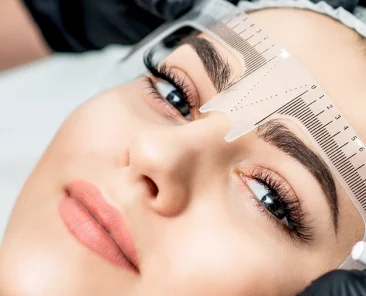
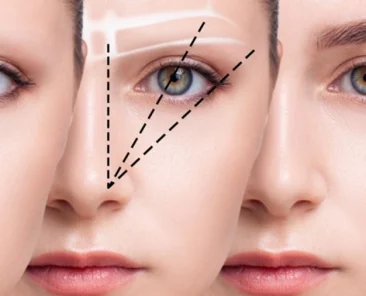
Designs created without taking into account the face’s golden ratios, bone structure, and eye spacing can give the person an aggressive, bewildered, or tired expression. Eyebrows that are too thick, too thin, or positioned too close together or too far apart disrupt the face’s overall harmony. Additionally, asymmetry between the two eyebrows is one of the most noticeable design flaws. While natural eyebrows may not possess perfect symmetry, noticeable asymmetries created during the procedure are immediately noticeable to the human eye and can be unsettling.
4. Scarring in the Donor Site and Recipient Area (FUT Complications)
In hair transplants performed using the FUT (Strip Method), an older technique, a linear scar remains in the donor area, while indentations or bumps (skin irregularities) may occur in the recipient area due to thickened channels. This type of Common mistakes in eyebrow transplantation, ...causes cosmetic damage both in the nape of the neck and the eyebrow area. The channels created in the grafting area using thick instruments may collapse over time, resulting in an orange-peel-like texture.
Methods for Correcting Failed Eyebrow Transplants: A Scientific Approach
Correcting a botched eyebrow transplant requires far more experience, patience, and precision than performing an eyebrow transplant for the first time. At Dr. Handan Yavuz’s clinic, the scientific protocol followed for correcting botched transplants consists of the following steps:
1. Detailed Facial Analysis and Identification of Issues
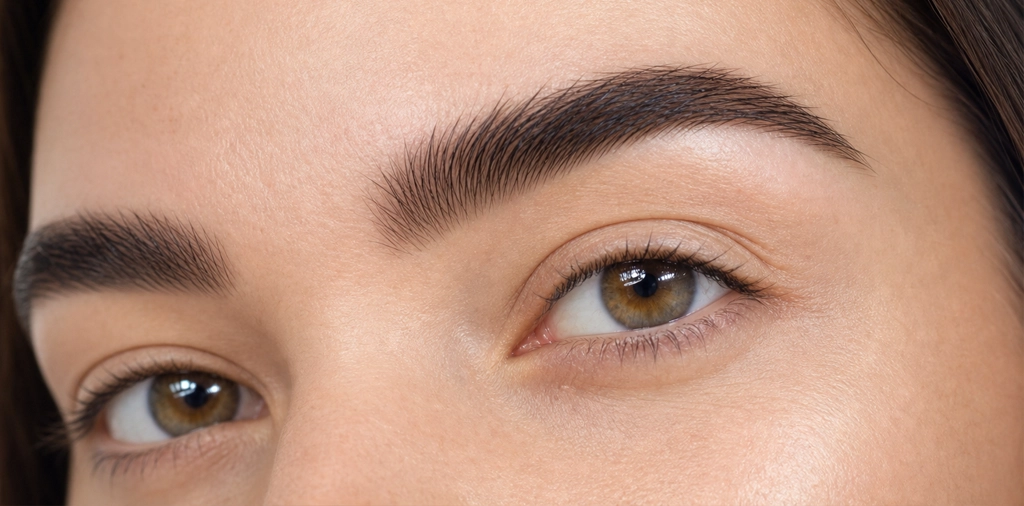
Before beginning the correction procedure, the patient’s current condition is thoroughly analyzed. It is determined which improperly implanted grafts need to be removed and which can be preserved while their orientation is camouflaged. A new eyebrow line is drawn in accordance with the golden ratio of the face.
During this analysis, the current skin structure in the eyebrow area, blood circulation, and the presence or absence of scarring are also assessed. Since it is more difficult for hair follicles to receive proper nourishment in scarred tissue, an accurate analysis at this stage is of critical importance. The patient’s old photographs are also reviewed to gain an understanding of the original eyebrow structure.
2. Removal of Defective Grafts Under a Microscope (FUE/Long FUE Extraction)
Roots that have been implanted at the wrong angle or in the wrong direction, or that appear unnatural, are removed one by one using extremely fine micro-punch tools (0.6–0.7 mm in diameter) without damaging the surrounding tissue. If these extracted roots retain their viability and have a suitable structure, they are placed in special solutions to be implanted at the correct angle. It is critically important to avoid damaging the deeper layers of the skin during the extraction process to prevent side effects such as indentations or discoloration that may occur later. If the extracted grafts are multiple (2- or 3-hair grafts), they are separated into single hair follicles under high-magnification microscopes to mimic natural eyebrow hairs.
3. Micro-Angle Engineering During the Channel Opening Phase
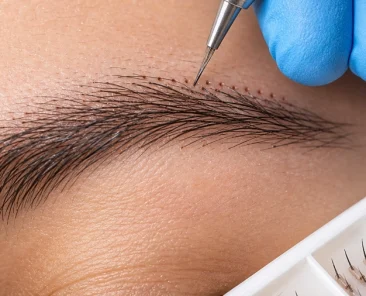
The most critical stage of the procedure is creating the channels. Using the lateral (sideways) channeling technique, extremely narrow micro-channels are created at angles of 10–15 degrees relative to the skin. The direction of these channels must perfectly match the natural direction of the eyebrow hair growth.
The precision of the instruments used to create the channels (sapphire tips or specialized micro-blades) ensures rapid healing by minimizing trauma to the implant site. Deformities caused by improperly created old channels are skillfully camouflaged with new channels at this stage. The spacing and density of the channels also directly affect the natural appearance of the eyebrow.
4. Placement of Single Roots with Proper Alignment
Single hair follicles that have been extracted or freshly harvested from the donor area are placed into the microchannels. During this stage, the natural curve of the hair shaft is taken into account to ensure that the inward-curving part of the hair faces the skin. This small detail prevents the hair from curving outward as it grows and helps it lie flat against the skin. The depth at which the grafts are placed is also critical; pushing them too deep can lead to cyst formation, while leaving them too shallow can cause the graft to fail to receive proper nourishment and eventually fall out.
Laser and Adjuvant Treatments in Revision of Failed Eyebrow Transplants
In every case of improper eyebrow transplantation, surgical removal (extraction) alone may not be sufficient. Especially in cases involving excessively dense, misplaced, or very thick hair follicles, laser hair removal methods may be utilized. Laser treatment is planned to permanently weaken or eliminate incorrectly implanted hair follicles prior to surgical intervention.
However, since laser hair removal is not a selective method, it should be performed using precise devices that do not damage the surrounding natural eyebrow hairs and only under medical supervision. Laser sessions are typically scheduled at 4- to 6-week intervals, and once the targeted hair follicles have weakened, the procedure progresses to the revision phase.
In addition, skin rejuvenation protocols such as fractional laser or microneedling (Dermapen) can be included in the revision plan to correct the grooves, depressions, or scars (scar tissue) created by the coarse channels used in past improper transplants. These supportive treatments smooth the skin tissue in the eyebrow area, thereby increasing the take rate of newly transplanted grafts and enhancing aesthetic harmony. In some cases, to improve tissue quality and blood circulation in scarred areas, mesotherapy These applications are also being implemented.
FUT Scar Revision and Hair Transplantation in the Donor Area
One of the biggest concerns for patients who underwent eyebrow transplantation using the FUT technique in the past is the linear surgical scar in the back of the head. This scar becomes particularly noticeable with short hairstyles and can cause social discomfort. At our clinic, we perform specialized scar revision procedures to camouflage these scars in the donor area. Since scar tissue has less blood circulation than normal skin tissue, hair transplants in this area require special care and precision.
Using the FUE technique, individual hair follicles harvested from healthy areas of the back of the head are implanted into the scar at extremely close intervals and optimal angles. This ensures that the scar tissue is covered by your own hair, making the scar virtually invisible. In scar revision procedures, PRP (Platelet-Rich Plasma) therapy is also incorporated into the process to increase the survival rate of the transplanted follicles. This combined approach simultaneously addresses aesthetic imperfections in both the eyebrow area and the donor site.
Psychological Effects and the Impact of Revision on Quality of Life
Patients who have undergone a botched eyebrow transplant procedure struggle not only with a physical issue but also with serious psychological challenges. The unnatural appearance of the eyebrows, located right in the center of the face, causes individuals to feel like strangers when they look in the mirror, leading to a loss of self-confidence and avoidance of social settings. Many patients resort to temporary and exhausting methods—such as applying heavy makeup, wearing hats, or cutting their hair to cover their eyebrows—to hide this unnatural appearance.
Revision eyebrow transplantation not only helps patients regain their natural eyebrow shape but also alleviates this psychological burden. Following a successful revision, patients’ self-confidence is restored, and they can return to their social lives without worry. At Dr. Handan Yavuz’s clinic, we understand the sensitivity of this process and provide our patients with a supportive approach that addresses both their medical and emotional needs. Our greatest measure of success is seeing our patients feel comfortable again in social settings following their treatment.
A Comparison of the Classic FUE, FUT, and Long FUE Methods
Understanding the advantages and disadvantages of the various techniques used in revision eyebrow transplants is important for making the right decision. The table below shows the effectiveness of these methods in revision procedures:
| Feature / Parameter | FUT Method (First Generation) | Classic FUE Method | Long FUE Method (Next Generation) |
|---|---|---|---|
| Donor Site Scar | A distinct linear mark remains | Small white spots may remain | Since it doesn't require shaving, it's completely hidden and leaves no trace |
| The Ability to See the Angle of the Hair | Not visible (roots are trimmed short) | Pruned (the roots are cut short) | Perfect (the hair is transplanted in its full length, and the natural angle is fully visible) |
| Recovery Time | 3–4 weeks due to the stitches | The curing time is 10–12 days | Quick recovery; you'll be back to normal in 7–10 days |
| Return to Social Life | Late stage (due to bandages and stitches) | Middle period (due to the shells and the shaved area) | On the same day (no shaving required and immediate visual results) |
| Success in Correction Operations | Very low; this may lead to new errors | Medium-High (requires careful work) | Highest (full control over natural curvature and direction) |
As can be seen from the table, in revision eyebrow transplants Long FUE The use of this technique provides the most reliable results because it allows the physician to perform the transplant while observing the natural direction of the hair’s growth. In traditional methods, since the hair follicles are shaved, it is difficult to predict the direction in which the hair will curl; however, with Long FUE, since the entire hair shaft is left intact, the direction of the curl can be adjusted with millimeter precision.
The Benefits of Revision with Long FUE Eyebrow Transplantation
In corrective operations Classic FUE eyebrow transplant The main benefits to the patient of choosing Long FUE over other methods are as follows:
- No Zero-Shave Requirement: Neither the donor site nor the eyebrow area is shaved. This allows female patients, in particular, to keep their surgery a secret from those around them.
- Instant Visual Feedback: Once the procedure is complete, the final shape of the eyebrow becomes immediately apparent. The patient and the doctor can instantly assess the eyebrow’s new shape, density, and direction.
- Natural Curl Control: Hair strands have a natural curve. Thanks to the long roots, these curves are directed inward, effectively preventing the eyebrows from sticking straight up.
- Less Trauma and Faster Recovery: Harvesting hair from the donor area without cutting it preserves tissue integrity to the greatest extent possible. This minimizes post-procedure swelling, bruising, and scabbing.
Post-Correction Procedure: The Process and Important Considerations
The success of a corrective eyebrow transplant procedure is directly related to the care the patient takes after the procedure. To ensure that the transplanted eyebrows take root properly, the following guidelines must be followed:
The treatment area must not come into contact with water for the first 3 days. The special aftercare lotions and washing instructions provided by our clinic must be followed exactly. Care must be taken regarding sleeping position; lying face down should be avoided to prevent the eyebrows from rubbing against the pillow. The micro-scabs that form during the scabbing process must not be picked off by hand; they should be allowed to fall off on their own.
In addition, you should avoid strenuous exercise, saunas, Turkish baths, and direct exposure to sunlight for the first few weeks following the procedure. These precautions are necessary to ensure that the angles of the delicate grafts are not compromised and that they can form healthy bonds with the underlying tissue. Limiting alcohol and tobacco consumption during the healing process also contributes positively to tissue nourishment.
Just as with primary hair transplants, a “shock loss” phase will occur following revision transplants. The transplanted long hair may fall out within the first 3–4 weeks; this is a completely normal physiological process.
The roots remain beneath the skin, and starting in the third month, the permanent eyebrows begin to grow in their new, natural shape. The final results are fully visible between the eighth and twelfth months. It is important to be patient during this process and to keep up with your doctor’s appointments.
Costs and Investment Value
Since revision eyebrow transplant procedures require more expertise, time, and precision than standard eyebrow transplants, their costs are determined accordingly. Detailed analyses and the additional techniques to be used are key factors in determining the price. Long FUE eyebrow transplant prices It is determined on an individual basis depending on the scope of the revision procedure, the number of grafts that need to be corrected, and the need for new hair follicles to be harvested from the back of the head.
Having this procedure done once—and by the right professionals—will prevent the physical and emotional toll that repeated, botched sessions would otherwise cause. This investment in your health and appearance will pay off in the form of lifelong satisfaction.
**”At Istanbul Eyebrow Transplant, every procedure is customized following a detailed facial analysis. Please contact us for more information about correcting botched eyebrow transplants.”**
Frequently Asked Questions
Yes, eyebrows that have been implanted incorrectly can be corrected by removing the hairs one by one using microsurgical techniques and repositioning them at the correct angles. However, the procedure requires a high level of experience and careful planning.
Thanks to the 0.6–0.7 mm micro-punch instruments used in our clinic, no visible or permanent scars remain on the skin when removing misaligned roots. Tissue healing is complete within a few days.
Since no shaving is required for revisions performed using the Long FUE technique, our patients can easily return to their social lives on the same day or the next day. No obvious artificial appearance or signs of surgery are visible.
It is recommended to wait at least 6–9 months, and ideally 1 year, after the initial transplant. During this time, the initially transplanted grafts will fully take root, the tissue will heal, and the current condition will become clear.
This number varies entirely depending on the patient's needs. While 50–100 grafts may be sufficient to correct just a few misaligned hairs, 300–400 grafts may be required to restore a completely poorly designed eyebrow.
The basic care guidelines remain the same; however, since the revised tissue may be more delicate, extra care should be taken to avoid mechanical friction during the first few weeks and to use the recommended moisturizing solutions regularly.
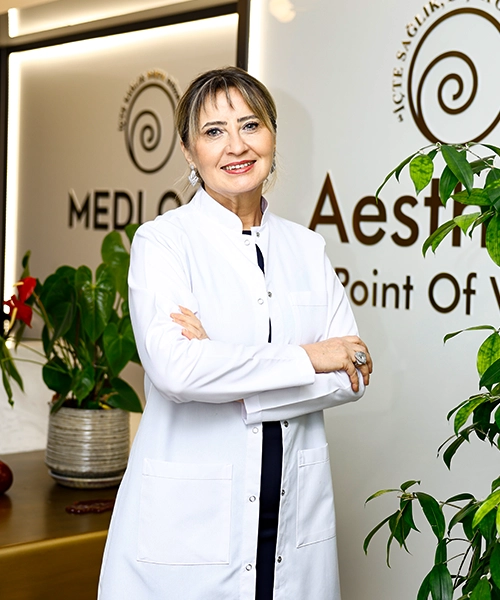
Dr. Handan Yavuz
MAKE AN APPOINTMENT