
Eyebrow Transplant: Procedure and Decision Guide 2026
 Dr. Handan YavuzKas Architect
10 min read
Dr. Handan YavuzKas Architect
10 min read
Contents
- Highlights
- What Is Eyebrow Grafting?
- Who Decides on This Procedure?
- What Should You Keep in Mind Before the Procedure?
- How Do You Perform the Eyebrow Grafting Procedure?
- How Many Grafts Are Used?
- Key Steps of the Process
- Why Is the Shave-Free Technique Preferred?
- How Long Does the Process Take?
- The First Few Days After the Procedure
- What Causes Shock Hair Loss?
- When Will Permanent Results Be Visible?
- Does the Result Look Natural?
- What Determines Longevity?
- How Should Care Be Provided During the Recovery Process?
- Are There Any Risks Involved in the Transaction?
- How Can Anxiety and Fears Be Overcome?
- Why Is Choosing a Clinic and a Doctor Important?
- What Factors Affect Prices?
- Why Is Expectation Management Important?
- Personalized Assessment
- The Advantage of Working on Your Own
- The Role of Eyebrows in Facial Expressions
- Why Is the Donor Site Important?
- The Impact of Design on the Outcome
- How Does the Anesthesia Process Work?
- Post-Procedure Guidelines
- The Importance of Patience in the Recovery Process
- What Are the Factors That Affect the Outcome?
- What Is the Difference From Temporary Methods?
- The Right Questions to Ask When Making Decisions
- Frequently Asked Questions
Eyebrow grafting, eyebrowsa—which involves sparse or patchy hair—is the procedure most commonly sought by those looking for a permanent solution. This procedure, which uses the person’s own hair follicles, offers natural, lifelong results. However, before deciding to undergo eyebrow hair transplantation, it is important to understand how the procedure is performed, how the process unfolds, and what factors to consider. Making an informed decision not only simplifies the process but also enhances satisfaction with the results.
In this guide, we walk you through the procedure, the grafting process, and the recovery step by step using the Dr. Handan Yavuz approach.
Highlights
- Eyebrow hair transplantation is a permanent and natural procedure performed using your own hair follicles.
- The procedure is performed under local anesthesia, and you will not feel any pain.
- The no-shave technique delivers natural-looking results without disrupting your hairstyle.
- Lasting results become apparent starting in the third month after shock loss.
What Is Eyebrow Grafting?
Eyebrow hair transplantation is the procedure of transplanting hair follicles harvested from the back of the head into the eyebrow area. Since the follicles used are the patient’s own hair, the results are permanent and natural. This is what fundamentally distinguishes it from temporary methods.
The purpose of the procedure is to give sparse or patchy eyebrows hair a full and even appearance. The transplanted hair grows over time and takes on the same shape as your own eyebrow hair. This natural result is the most important feature of the procedure.
Who Decides on This Procedure?
People who have permanent thinning or gaps in their eyebrows area are the ones most likely to opt for a Eyebrow hair transplant. This need arises from years of hair-pulling habits, genetic factors, or signs of trauma. The goal is to achieve a permanent and natural-looking solution.
People who are not satisfied with the Eyebrow model also consider this process. Everyone has a different eyebrow structure and set of expectations. Therefore, the decision is reached through a personalized assessment.
What Should You Keep in Mind Before the Procedure?
The most important step before undergoing a Eyebrow procedure is a thorough preliminary evaluation. During this stage, your Eyebrow procedure, donor site, and expectations are assessed. This evaluation forms the basis for a realistic plan.
It is important to follow your doctor’s recommendations regarding blood-thinning medications and certain habits before the procedure. This preparation ensures that the procedure proceeds safely. Proper preparation directly affects the outcome.
How Do You Perform the Eyebrow Grafting Procedure?
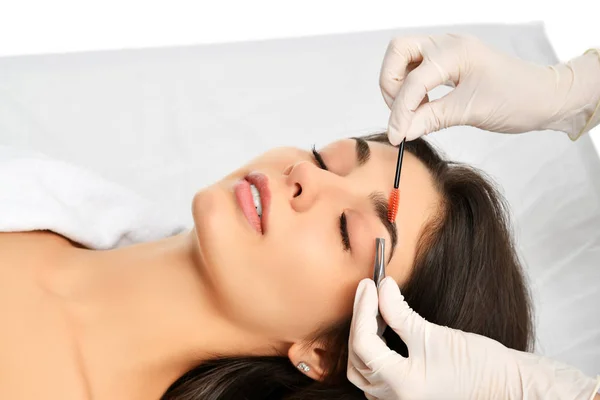
The eyebrow hair transplant procedure begins with local anesthesia, ensuring that no pain is felt. Hair follicles harvested from the donor area are implanted one by one into the eyebrow area. The angle and direction of each hair are determined to match the natural growth pattern of the eyebrow area.
This meticulous placement is the most critical step in determining the natural appearance of the result. The procedure requires skilled hands and patient work. Proper application ensures that the eyebrow blends seamlessly with the face.
How Many Grafts Are Used?
The number of grafts varies depending on the size of the bald spot in the eyebrows area and the desired density. The International Society of Hair Restoration Surgery (ISHRS) As noted in the sources, 200–400 grafts are typically used for a pair of eyebrows.
This number is determined on a case-by-case basis depending on the individual’s needs. Fewer grafts may be needed for a small area, while more grafts may be required to cover the entire eyebrow area. The exact number of grafts needed will be determined during the examination.
Key Steps of the Process
The table below summarizes the basic steps of the eyebrow grafting process.
| Phase | Description |
|---|---|
| Evaluation | The Eyebrow structure and design are determined |
| Anesthesia | A pain-free procedure with local anesthesia |
| Root extraction | Harvesting grafts from the donor site |
| Placement | Implanting Hair at an Angle |
Each of these steps is carried out meticulously and tailored to the individual.
Why Is the Shave-Free Technique Preferred?
The no-shave technique is a significant advantage for those who want to maintain their everyday look with the eyebrow hair transplant method. Since the hair is harvested from the donor area without being cut, there is no change to the hairstyle. The detailed process Long FUE eyebrow transplant We covered this on our page.
Since no visible scar remains after the procedure, patients can quickly resume their daily lives. Even in people with short hair, the area where the follicles were harvested remains hidden. It is precisely this invisibility that is the most defining feature of the eyebrow hair transplant technique, which does not require shaving.
How Long Does the Process Take?
The eyebrow hair transplant procedure takes an average of 4–6 hours, depending on the number of grafts. During this time, the patient can rest in a comfortable position. Since there is no pain, the procedure is comfortable.
Although the procedure takes longer, it is completed in a single session. Most patients report that the experience is more comfortable than they expected. This comfort is one of the advantages of the shave-free method.
The First Few Days After the Procedure
In the first few days after the procedure, mild redness and small scabs may form in the transplanted area. These scabs will fall off on their own within the timeframe specified by the doctor. It is important to protect the area from impact and friction during this initial period.
Thanks to the no-shave technique, there is no noticeable change in appearance. For this reason, most people return to their daily lives the very next day. With proper care, the first few days go smoothly.
What Causes Shock Hair Loss?
After a eyebrow hair transplant, some of the transplanted hairs will fall out during the first few weeks. This phase, known as "shock loss," is completely natural and is no cause for concern. Since the hair follicles remain in place, the hairs will grow back within a few months.
Details about this stage Long FUE Eyebrow Transplant: Shock Loss We discussed this in our article. People who move forward with an understanding of the process get through this stage with ease. Shock shedding is a natural part of the journey toward the final result.
When Will Permanent Results Be Visible?
With the Eyebrow treatment, lasting results begin to become apparent starting in the third month. After the sixth month, the results become largely evident. This process requires patience; however, the results are permanent.
In the procedures performed at our clinic, the graft survival rate is typically 90 percent or higher; under optimal conditions, this rate can reach 95 percent. This high survival rate is the foundation of a permanent result. Permanent eyebrows will remain on your face for years to come.
Does the Result Look Natural?
In Eyebrow hair transplantation, a natural-looking result is achieved by placing the hairs at the correct angle and density. Since your own hair follicles are used, the result does not look artificial. Expectations Does an eyebrow transplant look natural? We clarified this in our article.
When created with the right design, eyebrow looks just like your own eyebrow. A line that harmonizes with your facial proportions enhances the natural look. This natural result is the most important goal of the procedure.
What Determines Longevity?
The most important factor determining the permanence of Eyebrow hair transplantation is the structure of the hair follicles used. Follicles harvested from the back of the head have a structure that is resistant to hair loss. For this reason, the results last a lifetime.
The right technique and proper care also contribute to long-lasting results. When grafts take root successfully, they ensure long-lasting results. This durability is one of the procedure’s greatest strengths.
How Should Care Be Provided During the Recovery Process?
Care during the healing process is important for the quality of the result. In the first few days, the area should be protected from the sun, sweat, and friction. Following your doctor’s recommendations will facilitate healing.
Washing and cleaning should be done as directed by your dentist. Over time, the eyebrows implant can be shaped just like your own eyebrow. Proper care ensures that the results last for a long time.
Are There Any Risks Involved in the Transaction?
When performed under the right conditions and by experienced professionals, eyebrow grafting is a safe procedure. However, as with any medical procedure, some temporary side effects may occur. Mild redness and scabbing are among the most common.
These effects usually resolve on their own within a short period of time. However, in cases of inexperienced practitioners, there is an increased risk of an unnatural appearance or poor adhesion. For this reason, choosing the right clinic and doctor is critical.
How Can Anxiety and Fears Be Overcome?
It is natural to feel anxious before a Eyebrow procedure. Most of this anxiety stems from a lack of understanding of the process. Accurate information can greatly reduce this anxiety.
Common Fears About the Procedure Fears About Eyebrow Transplants We discussed this in our article. People who proceed with a clear understanding of the process have a much more comfortable experience. Accurate information is the foundation of trust.
Why Is Choosing a Clinic and a Doctor Important?
One of the most important factors determining the quality of the outcome in Eyebrow transplantation is choosing the right clinic and doctor. Experience, hygiene, and transparent planning are the foundation of a safe procedure. This choice determines both the natural appearance and the safety of the outcome.
A decision based solely on price often leads to additional costs and disappointment. Choosing quality and reliability, on the other hand, pays off in the long run. Making the right choice is the first step toward the right result.
What Factors Affect Prices?
Prices for Eyebrow hair transplants vary depending on the number of grafts, the method used, the physician’s experience, and the clinic’s standards. Since each person’s needs are different, the price is tailored to the individual. For this reason, it is not accurate to provide a single fixed figure.
Although the procedure is performed only once, it provides lasting results. In this regard, its long-term value offers an advantage over the recurring costs of temporary methods. The final price is determined based on a personalized consultation.
Why Is Expectation Management Important?
One of the most important factors determining satisfaction with Eyebrow hair transplantation is having realistic expectations. The results do not become apparent immediately but gradually over the course of several months. Moving forward with an understanding of this process makes for a positive experience.
A person with clear expectations goes through each stage of the process with greater peace of mind. That is why providing accurate information before a decision is made is important. Realistic expectations are the foundation of a positive outcome.
Personalized Assessment
Since each person’s eyebrow structure and expectations are different, the most appropriate plan is determined through a personalized assessment. During this consultation, we’ll discuss your Eyebrow structure, donor area, and goals together. This allows us to create a natural design tailored specifically to you.
General impressions formed without an examination do not fully reflect your personal needs. A personalized plan clarifies both your expectations and the process from the start. This evaluation is the first step on the path to a natural outcome.
The Advantage of Working on Your Own
The biggest advantage of the procedure is that it uses the person’s own hair follicles. This ensures both a natural appearance and complete compatibility with the body’s own tissue. Since no foreign material is used, the result blends seamlessly with the face.
Since your own hair grows over time, it can be combed and styled. This flexibility makes daily care easier. The natural texture and blend are among the strongest points of this method.
The Role of Eyebrows in Facial Expressions
The Eyebrows is one of the most powerful factors in determining facial expression and the meaning of a person’s gaze. A full and even eyebrow line gives the face a fresh and balanced appearance. A sparse or patchy eyebrows, on the other hand, can make the face look more tired than it actually is.
For this reason, the appearance of the eyebrows is not merely an aesthetic consideration but also directly influences facial expression. A design that is in harmony with facial proportions creates a positive expression. This harmony determines the naturalness of the result.
Why Is the Donor Site Important?
For permanent eyebrow, it is essential to have a healthy and sufficient number of hair follicles in the nape of the neck. The hairs in this area have a special structure that resists shedding throughout one’s lifetime. The quality of the donor area directly determines how long the transplanted eyebrow will last.
The suitability of the donor site is determined through a detailed examination performed prior to the procedure. When the hair follicle reserve is strong, it is possible to achieve a full and natural-looking result. This examination is the first solid step in the eyebrow hair transplant plan.
The Impact of Design on the Outcome
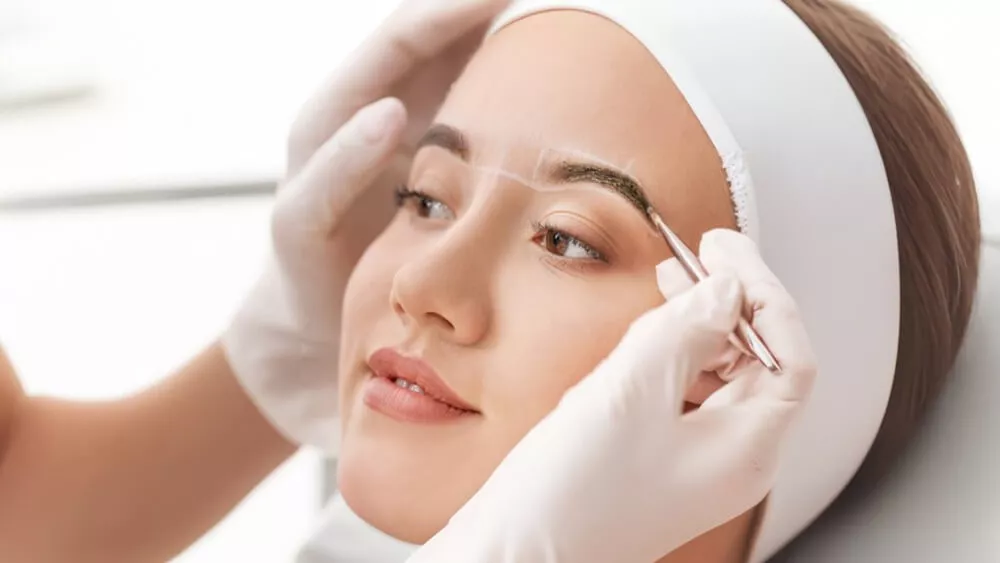
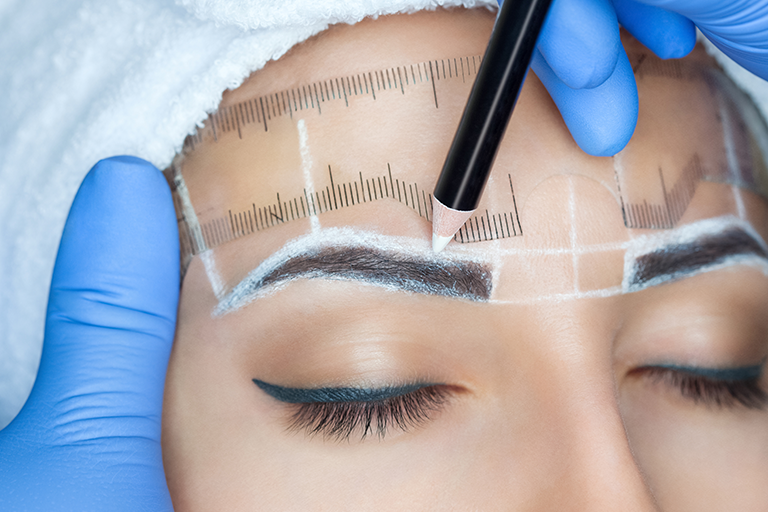
Design is one of the most critical stages that determine the natural appearance of the final result. The starting, curve, and ending points of Eyebrow are planned according to facial proportions. Proper design ensures that eyebrow sits harmoniously and balanced on the face.
The eyebrow line for women and men requires different curves and densities. A personalized design that takes this distinction into account ensures a natural-looking result. An experienced physician determines the balance that best suits the facial features with great precision.
How Does the Anesthesia Process Work?
The procedure begins with local anesthesia, which ensures that no pain is felt. Since the anesthesia is applied only to the affected area, the patient remains awake throughout the procedure. This is the foundation of a safe and comfortable process.
The effects of anesthesia last throughout the procedure and ensure a comfortable experience. There may be some mild sensitivity after the procedure, but this subsides quickly. Comfortable anesthesia is one of the most soothing aspects of the process.
Post-Procedure Guidelines
Following certain guidelines in the first few days after the procedure improves the quality of the results. You must protect the area from impact, friction, and excessive sweating. These simple precautions help ensure that the grafts take root properly.
It is important to follow your doctor’s recommendations regarding sleep position and facial cleansing. Being patient during this period facilitates healing. Proper care ensures a lasting result.
The Importance of Patience in the Recovery Process
Patience is the most helpful attitude during the recovery process. Results emerge gradually over the course of a few months. Going through this process without rushing it directly affects your satisfaction.
Every journey has its own unique course, and knowing this is reassuring. Those who move forward with patience are much more satisfied with the outcome. This attitude is the secret to a positive experience.
What Are the Factors That Affect the Outcome?
There are many factors that affect the quality of the result. Chief among these are the physician’s experience and the technique used. The correct angle, the correct intensity, and the correct design are the key factors that determine the result.
In addition, the individual’s eyebrow profile and the care they take during the healing process are also important. All of these factors are evaluated together. A harmonious process yields the most natural result.
What Is the Difference From Temporary Methods?
This procedure differs fundamentally from temporary methods. While microblading or permanent makeup adds color to the skin’s surface, this method uses your own hair. As a result, the outcome is both permanent and three-dimensional.
Temporary solutions require regular replacement and wear out over time. A permanent solution, on the other hand, eliminates recurring costs. This difference is a deciding factor for those who think long-term.
The Right Questions to Ask When Making Decisions
To make the right decision, you first need to ask yourself the right questions. How lasting a result you want determines your priority. This clarity ensures that the process gets off to the right start.
Seeking advice from a trusted expert will help you make a well-informed decision. Accurate information and a personalized assessment are the foundation of a sound choice. This way, you’ll choose both the right time and the right approach.
This content is intended for those with experience in eyebrow transplant operations and process management Dr. Handan Yavuz Prepared and reviewed by a (Medical Aesthetics Specialist).
Frequently Asked Questions
Is a Eyebrow implant painful?
No. Since the procedure is performed under local anesthesia, you won’t feel any pain. The surgery takes an average of 4–6 hours and is comfortable.
Is the Eyebrow graft permanent?
Yes. Since your own hair follicles are used and the follicles are resistant to hair loss, the results are permanent and last for years.
How many grafts are needed?
Typically, 200–400 grafts are used for a eyebrow pair. The exact number is determined during the consultation based on the size of the bald spot.
When will the results of the Eyebrow test be available?
Permanent results become noticeable starting in the third month and become clear after the sixth month. The process requires patience.
Is sudden hair loss normal?
-
Yes, that's completely normal. Some of the transplanted hairs fall out during the first few weeks; since the roots remain in place, they will grow back within a few months.
When can I return to work?
-
Since the appearance doesn't change significantly with the no-shave technique, most people can return to their daily and professional lives the very next day.