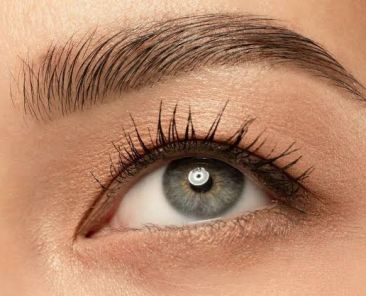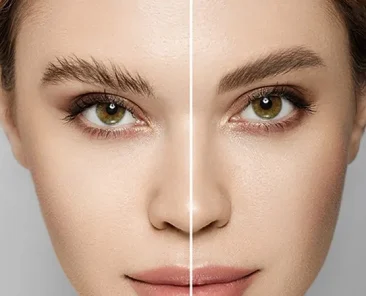


The Concept of Grafts and Density Planning in Eyebrow Transplantation Procedures
Eyebrows are the most important structural element in maintaining facial symmetry, framing the eyes, and ensuring our facial expressions are conveyed accurately. For individuals experiencing eyebrow loss, thinning, or irregular shape, eyebrow restoration offers a permanent and natural solution. However, one of the most fundamental questions on the minds of patients deciding to undergo this procedure is how many hair follicles are needed to achieve an ideal appearance. In surgical planning, this is referred to as the **number of eyebrow transplant grafts**.
Achieving a natural, balanced eyebrow design that aligns with the face’s golden ratio depends on accurately calculating how many grafts to implant, at what angles, and at what density. In this guide, we detail how to calculate the number of grafts for an eyebrow transplant and outline the ideal ranges for the number of grafts.
An incorrect calculation can lead to unwanted harshness or asymmetry in facial features. For this reason, the surgeon’s aesthetic vision and technical expertise are central to the process. The surgeon’s expertise in this area results in a design that is in harmony with the face as a whole and free from any artificial appearance.
At our clinic, led by Dr. Handan Yavuz, we treat each patient’s eyebrow structure and facial anatomy as unique and develop a personalized treatment plan. The grafts used in eyebrow transplantation (hair follicle (units) differs significantly from those used in hair transplantation. While grafts containing 2, 3, or 4 hairs are preferred in hair transplantation to achieve density, **single grafts** are almost exclusively preferred in eyebrow transplantation to maintain a natural appearance.
This is an extremely delicate microscopic process that requires grafts to be selected one by one and meticulously separated. If multiple grafts are implanted directly, the eyebrows will appear unnatural. For this reason, the hair groups collected from the donor area are separated one by one to ensure they blend with the natural structure of the eyebrows. Ensuring that the hair follicle structures remain undamaged during the separation of individual follicles guarantees that the hair will remain permanent for life.
When planning the procedure, based on the patient's needs Eyebrow Transplant: Graft Selection is performed with great care. In cases such as partial hair loss or scarring, a smaller number of grafts may be sufficient, whereas this procedure Regional eyebrow transplantation is called. This entire planning process, the new generation of shaver-free Long FUE When combined with this technique, it allows the patient to see the results immediately during the procedure and ensures flawless adjustment of the natural density. In this article, we will discuss, with scientific detail, how the number of grafts is calculated in eyebrow transplantation, the criteria for ideal density, and the factors that influence the process.
What Is a Graft, and What Is Its Importance in Eyebrow Anatomy?
In medical terms, a graft is a hair follicle unit—preserved along with its supporting tissue—that is harvested from a donor area of the body (typically the scalp at the back of the neck or behind the ears in eyebrow transplants) for transfer to another area. A graft may contain a single hair follicle or multiple hair follicles.
Harvesting these units without compromising their integrity is critical to preserving their viability. The undamaged harvesting of grafts is the most fundamental factor directly determining their survival rate at the site of implantation. The quality and diameter of the punch tips used during harvesting also accelerate the healing process of the donor skin.
When examining eyebrow anatomy, it can be seen that all natural eyebrow hairs emerge individually from the skin’s surface. If grafts containing multiple hairs (2- or 3-hair follicles) are implanted directly during an eyebrow transplant, the result is a stiff, unnatural appearance with hairs growing in clusters. This is an aesthetically unacceptable error and leaves the patient dissatisfied.
For this reason, grafts harvested from the donor area are separated one by one under special microscopes to create individual follicles. Therefore, the “300 grafts” mentioned in eyebrow transplantation actually refer to “300 individual hair follicles.” Preserving the dermal tissue surrounding the follicles during the harvesting of hair follicles from the donor area facilitates their nourishment once they are transplanted.
Preoperative Preparation and Graft Analysis
Once the decision to undergo an eyebrow transplant has been made, the initial consultation and analysis process—one of the most critical stages of the procedure—begins. During this stage, the cause of the patient’s current eyebrow hair loss is investigated. The underlying cause of the loss may be genetic predisposition, improper tweezing, trauma, burns, or dermatological conditions such as alopecia areata. If the loss is due to an active skin condition, that condition is treated first.
During the examination conducted by our physician, the condition of the donor area and the eyebrow region is assessed using hair analysis devices and a dermatoscope. As part of this examination:
- The density of hair in the donor area is measured per square centimeter.
- The thickness of the hair shaft (in microns) and its shade are determined.
- The angle at which the hairs grow and the depth of the roots beneath the skin are determined.
- The proportions of grafts occurring as single, double, or multiple groups are calculated.
This trichological analysis allows us to plan in advance how many grafts will be harvested on the day of the procedure and what percentage of those grafts will be converted into single-hair follicles. This preparatory phase maximizes the procedure’s chances of success. During the analysis, a realistic balance is also established between the patient’s expectations and the limitations imposed by their facial structure.
How Is the Number of Grafts Determined for Eyebrow Transplantation?
There is no single standard formula for determining the number of grafts needed. The calculation is based on the following parameters, following a detailed physical examination, digital analysis, and facial design performed by the physician:
- Degree of Spillage and Extent: The extent of eyebrow hair loss is the most important factor in determining the number of grafts. While 50–100 grafts may be sufficient for mild thinning only at the tail end of the eyebrow, cases of alopecia where the eyebrow is completely absent may require as many as 350–400 grafts.
- Thickness and Color of Existing Eyebrow Hairs: If the patient’s existing eyebrow hairs are thick and dark, fewer grafts may be sufficient to fill in the gaps. For thin and light-colored eyebrows, however, a denser placement—that is, an increased number of grafts—may be necessary to create the illusion of fullness.
- Characteristics of the Donor Region: The structural compatibility between the hair strands from the nape of the neck or behind the ears and the existing eyebrow hairs is examined. Selecting the fine, single-strand hairs that best match the eyebrow structure affects the total number of hairs to be transplanted and the placement plan. If very thick hair strands from the nape of the neck are transplanted directly into the center of the eyebrow, they may look coarse; therefore, care is taken to select finer, single-strand hairs.
- The Golden Ratio of the Face and the Desired Design: The ideal eyebrow shape is determined by analyzing the patient’s facial bone structure, eye spacing, nasal wings, and forehead width. When a thicker or more arched eyebrow shape is requested, the amount of graft needed to fill in the gaps will naturally increase. Whether the goal is to soften the facial expression or achieve a more assertive look is directly related to the design.
The Relationship Between the Golden Ratio and Density in Eyebrow Design
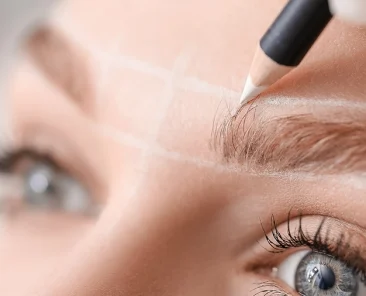
The secret to a natural-looking eyebrow lies in precise measurements based on the face’s golden ratio. The starting point, arch, and ending point of the eyebrow are determined by aligning them with the outer edges of the nose and the inner corners of the eyes.
Once these geometric boundaries have been drawn, the density requirements for each area are planned differently. For example, the starting point of the eyebrow (the eyebrow head) is the area where the hairs are the sparsest and thinnest. Implanting high-density or thick hairs in this area results in a stern and harsh look.
It is generally appropriate to implant 50 to 70 grafts here, which are sparser, finer, and directed upward. The body and arch of the eyebrow are the areas that should appear the densest and fullest; dense grafts at a horizontal angle are placed here. Finally, the tail of the eyebrow should taper off toward the temples.
In this area as well, the hair is angled downward and to the side. The balance of density across these three main areas of the design determines the distribution of the targeted total number of grafts. All of these steps constitute an artistic process that requires the physician to work with millimeter precision.
Comparison Table of Graft Requirements by Hair Loss Type
The table below summarizes the average number of grafts required and the surgical details based on different levels of eyebrow loss and types of hair loss:
| Shedding Level | Clinical Definition | Number of Grafts Needed for a Single Eyebrow | Total Graft Requirement (Both Eyebrows) | Average Procedure Duration (Long FUE) |
|---|---|---|---|---|
| Light / Regional | Hiding a scar, defining the tail of the eyebrow, or correcting a slight asymmetry. | 50–100 Grafts | 100–200 Grafts | 2–2.5 Hours |
| Moderate | Noticeable thinning along the eyebrow arch, with gaps caused by tweezing. | 100–200 Grafts | 200–400 Grafts | 3–3.5 Hours |
| Advanced | Significant loss of eyebrows; genetically very thin and faint eyebrows. | 200–300 Grafts | 400–600 Grafts | 3.5–4.5 Hours |
| Complete Hair Loss (Alopecia) | Complete loss of eyebrows due to chemotherapy, burns, or generalized hair and eyebrow loss. | 300–400+ grafts | 600–800+ grafts | 4.5–5.5 Hours |
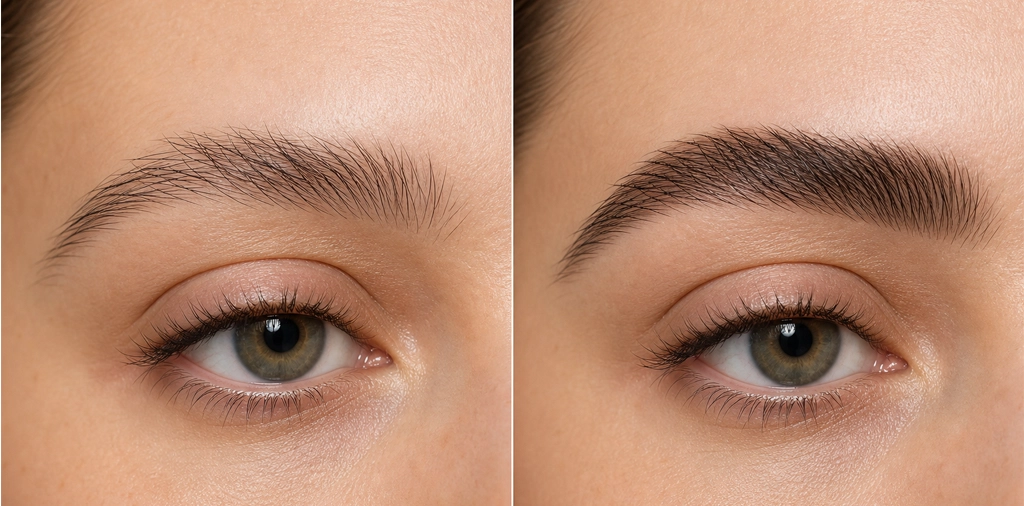
The values in this table are average clinical references. Factors such as the patient’s donor quality and brow width may affect the final numbers. Transplanting too many grafts can result in a crowded, unnatural, and stiff appearance on the brow, while transplanting too few grafts may prevent the desired fullness from being achieved.
For this reason, achieving balance is a medical art. During the initial consultation with Dr. Handan Yavuz, your facial symmetry will be digitally measured to determine the most accurate figure. Thanks to these measurements, the likelihood of any asymmetry occurring after the procedure is minimized.
The Role of the Long FUE Method in Density Planning
The traditional method Classic FUE eyebrow transplant Because the roots are trimmed to shorten them in this technique, the doctor cannot fully see the natural direction of the hair’s curl or its angle within the skin with the naked eye during the procedure. This situation relies on estimating the angle of the follicles and can lead to directional deviations or density imbalances after healing.
Eyebrow hairs emerge from the skin at a very narrow angle of 10 to 15 degrees; this angle is not as steep as in hair transplantation. For this reason, it is quite difficult to transplant the shortened hair follicles at this narrow angle. The Long FUE method has overcome this technical challenge, setting a whole new standard for the procedure.
In the new-generation **Long FUE** technique, hair strands are transplanted while left long. This length provides the physician with an immediate visual reference during the procedure:
- The doctor places each implanted hair by observing the direction of its curl. The direction of the eyebrow’s growth is upward at the inner ends, diagonal in the middle, and downward at the outer ends. Thanks to the long hairs, these angles are perfectly replicated.
- Since the density of the transplanted area can be seen immediately, any gaps are identified during the procedure, and additional grafts are placed to ensure a uniform distribution. This prevents unexpected gaps from forming after surgery.
- Unnecessary graft waste is prevented; only the exact amount needed is transplanted using a targeted approach. Donor capacity is preserved for potential future needs.
- As soon as patients get up from the surgical chair, they leave the clinic having clearly seen the new density and shape of their eyebrows.
- Transplantation using long hair strands helps conceal the scabs that form during the scabbing process, providing a high level of social comfort during the healing period.
The Process of Harvesting Grafts from the Donor Site and Nape Health
For eyebrow transplantation, the lower parts of the nape of the neck or the fine hairs behind the ears are typically selected as donor sites. The hairs in these areas are structurally the closest in thickness to eyebrow hairs. The graft harvesting process proceeds as follows:
First, the donor area is completely numbed with local anesthesia, so no pain is felt during the procedure. Using special hollow needles called “micro punches,” with diameters ranging from 0.6 mm to 0.7 mm, hair follicles are extracted one by one without damaging the surrounding tissue. These extracted follicles are kept in special cooled solutions to preserve their viability. Since the donor area is not shaved in the Long FUE technique, the extraction sites are completely camouflaged once the overlying hair is left to grow freely.
As a result, there is no appearance of thinning or receding hair at the back of the head after the procedure. Since the micro-incisions in the donor area are hidden beneath unshaven hair, they are naturally protected from external factors and the sun.
The healing process in the donor area is usually completed in a very short time—typically 3 to 5 days. Once the wound has healed, no visible scars or scar tissue remain in the donor area. The even distribution of the grafted areas ensures that the overall hair volume across the back of the head remains uniform.
The Relationship Between the Number of Grafts and the Cost of Eyebrow Transplantation
The cost of eyebrow restoration varies depending on the total number of grafts to be transplanted, the technology used, and the expertise of the physician performing the procedure. Generally, as the number of grafts increases, so do the materials used, the procedure duration, and the physician’s labor; consequently, pricing is determined accordingly. To learn more and plan your budget, Long FUE eyebrow transplant prices You can visit our website and schedule a preliminary consultation at our clinic to find out the number of grafts you need.
When setting your budget, you should keep in mind that eyebrow transplantation is a lifelong investment and does not incur the recurring costs associated with temporary procedures. A single, properly planned procedure will save you from the lifelong expense of eyebrow pencils or tattoos. After your consultation with Dr. Handan Yavuz, all details of this process will be shared with you transparently.
Frequently Asked Questions
Yes, for most patients, a total of 400 to 500 grafts (follicles) for both eyebrows is more than enough to achieve a full and natural look. In cases of partial hair loss or to fill in small gaps, this number may be much lower. Your doctor will determine the exact number.
No. The eyebrow area is limited in size. If too many grafts are implanted too closely together, the follicles cannot nourish each other, and clumps of hair may fall out. Additionally, overly dense implantation results in an unnatural, stiff, “brush-like” appearance. Balance is the most important rule.
Yes. Although transplanted hair follicles tend to grow as quickly as scalp hair in the first few years, they eventually adapt to the hormonal and vascular characteristics of the area to which they were transplanted (the eyebrows). Within about 1–2 years, their growth rate slows down and they begin to resemble eyebrow hair.
During the initial shock loss phase in the first month after the procedure, the hair strands fall out, but the roots remain beneath the skin. Starting in the third month, permanent, new eyebrow hairs begin to grow from these roots. This shedding is a natural process and is nothing to worry about.
If the number of grafts is underestimated, gaps and sparse areas may remain in the eyebrow, which would require a revision (correction) procedure. If too many are implanted, an unnatural density and misalignment may occur; in this case, the incorrectly implanted follicles may need to be removed via laser or tweezing.
No. Since the grafts are separated into individual units during the separation stage, only a single hair strand is extracted from each graft. However, when the transplanted follicles are well-nourished, that single strand thickens, contributing more to the overall volume of the eyebrow.
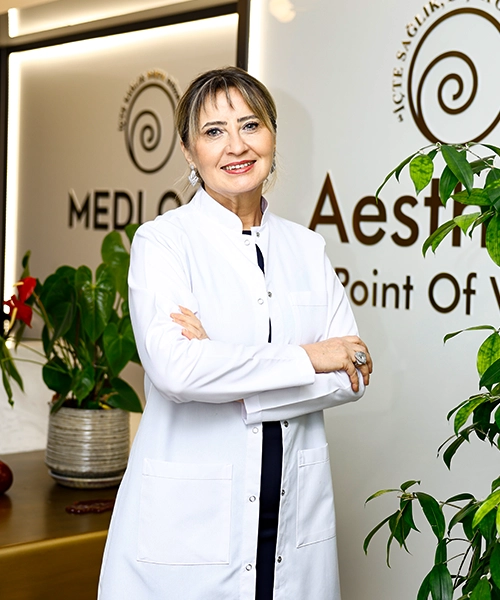
Dr. Handan Yavuz
MAKE AN APPOINTMENT