

The Basis of Medical Comfort: Blocking Nerve Transmission with Local Anesthesia
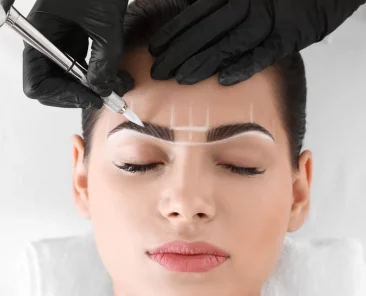
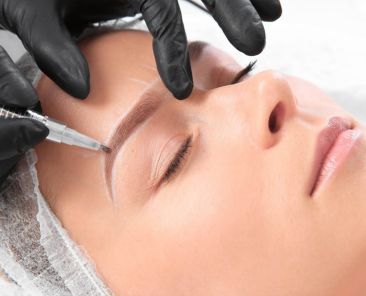
Although microsurgical procedures such as eyebrow transplantation are performed on small areas, they still involve a breach in the skin’s integrity. This leads to the stimulation of pain receptors (nociceptors) in the tissue and the transmission of pain signals to the brain. The most important factor ensuring that the surgical process is completely comfortable and pain-free is eyebrow transplant local anesthesia is a procedure. Thanks to local anesthesia, patients today do not feel any pain or discomfort during the surgical procedure.
The anesthesia protocols implemented at our clinic under the guidance of Dr. Handan Yavuz not only eliminate pain during the procedure but also minimize any mild burning sensation or needle prick that may occur when the anesthetic is injected. The needle-free pressure injection systems used for this purpose ensure that our patients begin the procedure with a high level of comfort. In this article, we will discuss the pharmacological mechanism of action of local anesthesia, the advantages of needle-free anesthesia systems, and Long FUE We will examine its role in eyebrow transplantation surgery in scientific detail.
What Is the Pharmacological Effect of Local Anesthesia?
Local anesthetics work by blocking the sodium channels in the nerve fibers of the treated area. Blocking sodium influx into nerve cells prevents pain signals from being converted into electrical nerve action potentials and transmitted to the brain. In eyebrow transplantation, a combination of lidocaine—which typically takes effect quickly—and bupivacaine—which provides long-lasting numbness—is generally preferred. Thanks to this combination, numbness begins within seconds and the effect continues safely for hours after the procedure.
Adrenaline (epinephrine), added in very small amounts to the anesthetic solution, constricts blood vessels (vasoconstriction) and provides two important benefits:
- It slows down the absorption of the anesthetic into the bloodstream, preventing it from leaving the area, and prolongs the duration of numbness.
- By almost completely stopping capillary bleeding in the treatment area, it allows the surgeon to work in a much cleaner and clearer field.
Next-Generation Needle-Free (Jet-Injection) Local Anesthesia Technology
Many patients are hesitant about local anesthesia due to a fear of needles or the stinging sensation felt when the medication is first injected into the skin. To address this issue, our clinic uses a needle-free local anesthesia technology called “Jet-Injection.” In this method, the solution is sprayed onto the skin through a very fine opening using high air pressure. The liquid penetrates the epidermis and dermis layers of the skin through microchannels and spreads into the tissue.
Thanks to the numbed skin surface achieved through this method, the fine injections required to numb deeper tissues become completely painless. This allows our patients to experience the surgical process as anxiety-free and comfortable from the very beginning. painless eyebrow transplant procedure ensures that the patient spends their time there comfortably. For information about the total duration and stages of the procedure, How long does an eyebrow transplant take? You can check out our article titled [Title].
Comparison of Anesthesia Methods
The comparison table below outlines the technical and comfort features of the traditional needle-based anesthesia method and the needle-free (pressure-based) local anesthesia method used at our clinic:
| Feature / Criterion | Traditional Needle-Based Local Anesthesia | Next-Generation Needle-Free Local Anesthesia |
|---|---|---|
| Application Tool | Metal dental or insulin syringe needles | Micro-porous, high-pressure piston device |
| The Feeling of First Contact | Puncture pain and the stinging sensation caused by the medication tightening the skin | A slight sensation of pressure and airflow (needle-free) |
| Distribution of the Drug in Tissues | It accumulates at a single point and is dispersed through massage | Thanks to the high pressure, it spreads evenly throughout the tissue |
| Tissue Trauma and Bruising | The risk of the needle tip damaging capillaries | It does not cause vascular damage, and the risk of bruising is minimal |
| Psychological Comfort Level | Mild (Causes anxiety in people who are afraid of needles) | Maximum (Fear-free, comfortable start) |
As can be seen from the table, the use of modern anesthesia techniques directly maximizes the patient’s comfort during surgery. The implementation of these standards at our clinic, Classic FUE eyebrow transplant or It is a standard rule for all our patients who undergo the Long FUE procedure.
The Transition Period and Process of Postoperative Anesthesia
The numbing effect of local anesthesia lasts for approximately 2 to 4 hours after the procedure is completed. This period serves as a critical safety net, ensuring the patient can comfortably return home or to their hotel after leaving the clinic. As the effects of the anesthesia begin to wear off, nerve transmission gradually returns to normal. During this transition phase, you may experience a mild tingling sensation followed by a prickling sensation.
To make this period as comfortable as possible, it is recommended that you take the mild paracetamol-based pain relievers prescribed by your doctor before the numbness has completely worn off. This way, the pain is kept under control before it even begins as the numbness subsides. On the first day, you must absolutely avoid touching the eyebrow area, and even if you feel the urge to scratch, you should not touch it; because if sensation has not fully returned, there is a risk of unintentionally damaging the skin.
Pre-Anesthesia Assessment and Patient Safety
The foundation of a comfortable procedure is a thorough assessment conducted before anesthesia. We will ask about the medications you are taking, any known allergies, and any chronic conditions you may have. Although local anesthesia has a high safety profile, this pre-procedure screening is an integral part of personalized planning.
Your blood pressure, pulse, and overall condition will be monitored throughout the procedure. Our goal is to provide an experience that is not only pain-free but also safe.
What Is the Patient Experience Like During Anesthesia?
Many patients wonder what they will feel when anesthesia is administered. Other than a slight pressure or coolness in the first few seconds, there is no distinct sensation. Once the area is numb, you may feel a sensation of touch, but you will not feel any pain.
You can lie back during the procedure, chat if you like, or listen to music. Thanks to local anesthesia, eyebrow transplantation is a much more relaxed experience than most patients expect. Once the procedure is over, the numbness will subside on its own within a few hours.
Common Concerns About Anesthesia
Some of our patients worry that the local anesthesia will wear off during the procedure. The dose we administer and our monitoring protocol ensure that the area remains numb throughout the procedure; additional anesthesia can be administered if necessary.
Another common question is whether you can drive after anesthesia. Since local anesthesia does not affect your consciousness, you can usually resume your daily activities; however, we recommend that you rest for the first few hours.
If you have a known sensitivity to any anesthetic medication, you must be sure to mention this in advance. This information allows us to tailor the local anesthesia plan for your eyebrow transplant. Clearly expressing your concerns helps ensure that the procedure is planned in the safest way possible for you.
When properly planned, local anesthesia for eyebrow transplantation makes the procedure a comfortable experience. The brief assessment we conduct before the procedure ensures both your safety and your comfort throughout the process.
During the procedure, you can either rest or chat if you’d like; most of our patients say the process is much calmer than they expected. We’ll answer any questions you have about anesthesia in advance and walk you through every step of the process. As the numbness in the area wears off, you may feel a slight tingling sensation; this feeling will disappear quickly, and you’ll be able to return to your daily life, work, and social plans comfortably the same day.
An informed patient always has a more comfortable surgical experience. Answering all your questions before the procedure helps build trust in the process for both you and us. This trust is the unseen foundation of a comfortable experience.
Frequently Asked Questions
Thanks to our needle-free anesthesia devices, the initial numbing occurs without piercing the skin. As a result, the sensation of pain is virtually nonexistent; you’ll only feel a slight pressure and the coolness of the solution.
Yes, if the procedure takes longer than expected or if the patient feels even slight discomfort at any point, the anesthesiologist safely administers additional doses in small increments to ensure uninterrupted comfort.
Injected local anesthetics are transported to the liver via the bloodstream following regional absorption and are completely metabolized within an average of 12 to 24 hours, after which they are excreted from the body in the urine.
Because the anesthetic temporarily affects the nerves near the eyebrow area, there may be a slight drooping of the eyelid in very rare cases. This is entirely temporary and will subside as the anesthetic wears off (within a few hours).
The rate at which local anesthetics used in breastfeeding mothers passes into breast milk is extremely low. However, as a precaution, it is recommended that milk expressed during the first 24 hours after surgery not be given to the baby but be discarded.
The risk of developing an allergy to modern local anesthetics (drugs in the amide group) is extremely low. However, patients with a history of allergic reactions during dental treatment or minor surgical procedures may undergo a preliminary test.
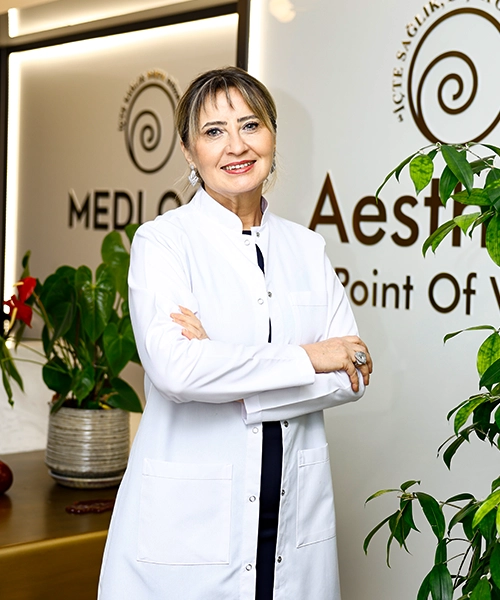
Dr. Handan Yavuz
MAKE AN APPOINTMENT