

How Long Does an Eyebrow Transplant Take? — Time Value and Surgical Precision: An Analysis of Duration in Eyebrow Restoration
In modern life, time is one of our most valuable assets. For individuals who decide to undergo cosmetic surgery, one of the main concerns—as significant as the technical details of the procedure—is how much the procedure will disrupt their daily lives. Questions such as “How much time should I set aside for the procedure?” and “Can I return to work the same day?” are among the most common questions our patients ask when planning their procedures. In this context, How long does an eyebrow transplant take? The answer to this question requires a comprehensive analysis of time that takes into account not only the hours spent at the clinic but also the recovery period following the procedure and the time needed to readjust to daily life.
Performed at our clinic by Dr. Handan Yavuz Long FUE Because this technique allows for the transplantation of long hair follicles without shaving the hair, it is the fastest and most comfortable restoration method, enabling you to return to your social life immediately after the procedure. However, eyebrow transplantation is not a simple procedure that can be quickly performed and completed; it is a delicate form of microsurgery that requires the angle and direction of each hair follicle to be meticulously planned under a microscope down to the millimeter. In this article, we will explain the time distribution of the clinical stages of eyebrow transplantation, the effect of graft count on duration, and whether achieving the final result in a single session is possible, using scientific data.
How Does the Duration of the Procedure Vary Depending on the Number of Grafts?
The most important factor determining the total duration of an eyebrow transplant is the number of hairs to be transplanted graft (hair follicle) The number of grafts. Removing each graft individually from the donor area, preparing them under a microscope, creating channels in the eyebrow area, and implanting the grafts requires a certain amount of time. In procedures performed quickly or rushed, complications such as misalignment of hair directions or grafts failing to take due to damage may occur.
We can categorize the estimated procedure durations based on the number of grafts as follows:
- Partial Hair Loss and Scarring (100–200 Grafts): This amount is usually sufficient for treating scars, localized thinning at the outer corners of the eyebrows, or minor corrections to the eyebrow arch. The procedure typically takes between 2 and 3 hours to complete.
- Moderate Density Increase (200–350 Grafts): The goal is to enhance the density of the eyebrows while maintaining their overall shape. This procedure takes approximately 3 to 4 hours.
- Full Eyebrow Transplant (350–500+ Grafts): In cases where the eyebrows have almost completely fallen out or are very sparse, a new eyebrow design is created from scratch. This comprehensive procedure typically takes 4 to 5 hours.
Comparison of Procedure Duration Between Long FUE and Classic FUE
The surgical technique used has a direct impact on the duration of the procedure. Traditional Classic FUE eyebrow transplant In this technique, the donor area is shaved, and short hair follicles are harvested. While working with short follicles allows for faster implantation, it makes it harder to see the direction and angle of the hair, thereby increasing the risk of aesthetic errors. Classic FUE procedures typically take 3–4 hours to complete.
Long FUE tekniğinde ise saçlar tıraş edilmez ve uzun kökler (1-2 cm) halinde alınır. Uzun kılların birbirine dolaşmadan, köke zarar vermeden mikro punchlarla çıkarılması ve ardından kanallara doğru kıvrım yönüyle yerleştirilmesi çok daha büyük bir hassasiyet ve dolayısıyla daha fazla zaman gerektirir. Long FUE operasyonları, aynı greft sayısı için Klasik FUE’ye göre yaklaşık %20-30 oranında daha uzun sürer (ortalama 4-5 saat). Ancak bu süre farkı, operasyonun hemen ardından sosyal hayata kesintisiz dönebilme ve anında doğal görünüm elde etme avantajı düşünüldüğünde ihmal edilebilir bir detaydır.
Time Spent at the Clinic: A Step-by-Step Breakdown
The time you will spend at our clinic on the day of your procedure consists of the following carefully planned clinical stages:
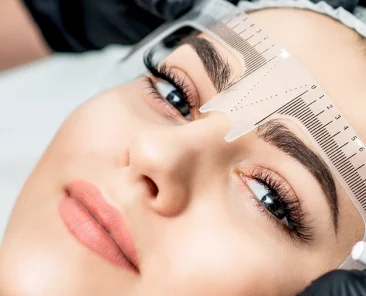
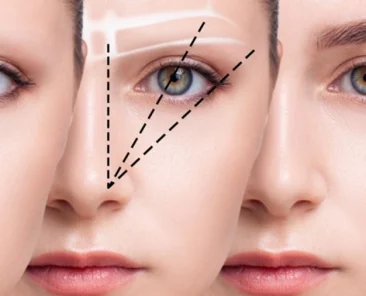
- Planning and Local Anesthesia (30–45 Minutes): We perform a golden ratio analysis of your face, mark the eyebrow contours, and obtain your approval. Then, we administer comfortable local anesthesia using a needle-free jet injection method. For more details Eyebrow transplantation under local anesthesia you can review our guide.
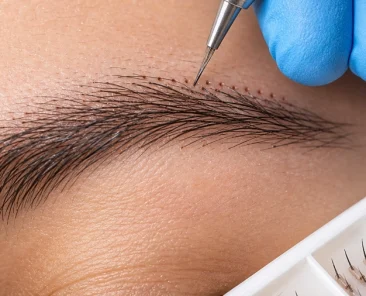
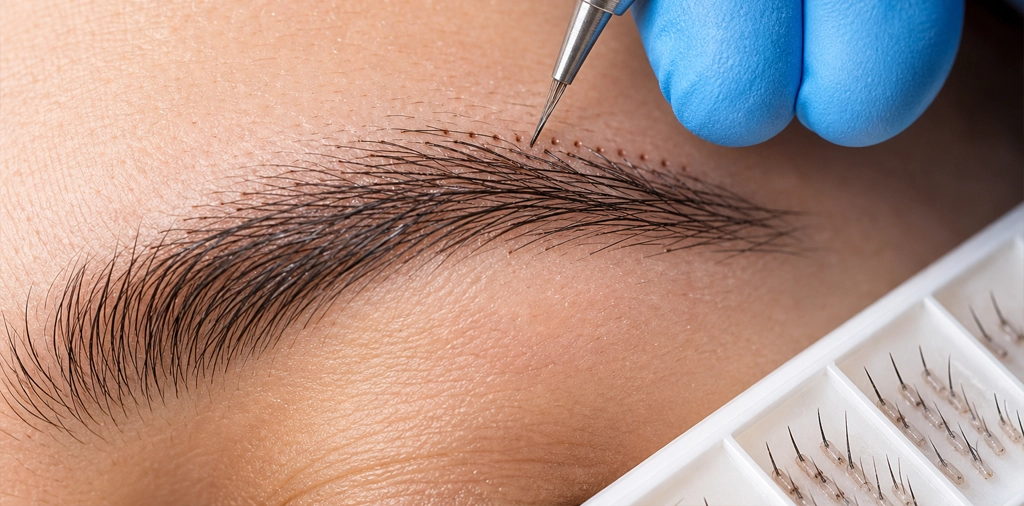
- Graft Harvesting (1–1.5 Hours): Single, fine hair follicles from the back of the head are harvested one by one using circular micro-tips that do not damage the skin. During this process, the patient lies face down and relaxes.
- Opening the Channels (30–45 Minutes): Microchannels are created along the eyebrow arch, aligned with the natural growth direction of the hair to be implanted (at angles of 10–15 degrees). This stage is the most critical step for the success of the procedure.
- Graft Placement (1.5–2 Hours): The long hair grafts are placed one by one into the incisions. During this process, the patient lies on their back and can watch TV or chat with our team if they wish. For more information about the comfort level of the procedure, painless eyebrow transplant procedure You can read our article.
The anesthesia protocols implemented at our clinic under the guidance of Dr. Handan Yavuz not only eliminate pain during the procedure but also minimize any mild burning sensation or needle prick that may occur when the anesthetic is injected. The needle-free pressure injection systems used for this purpose ensure that our patients begin the procedure with a high level of comfort. In this article, we will discuss the pharmacological mechanism of action of local anesthesia, the advantages of needle-free anesthesia systems, and Long FUE We will examine its role in eyebrow transplantation surgery in scientific detail.
What Is the Pharmacological Effect of Local Anesthesia?
Local anesthetics work by blocking the sodium channels in the nerve fibers of the treated area. Blocking sodium influx into nerve cells prevents pain signals from being converted into electrical nerve action potentials and transmitted to the brain. In eyebrow transplantation, a combination of lidocaine—which typically takes effect quickly—and bupivacaine—which provides long-lasting numbness—is generally preferred. Thanks to this combination, numbness begins within seconds and the effect continues safely for hours after the procedure.
Adrenaline (epinephrine), added in very small amounts to the anesthetic solution, constricts blood vessels (vasoconstriction) and provides two important benefits:
- It slows down the absorption of the anesthetic into the bloodstream, preventing it from leaving the area, and prolongs the duration of numbness.
- By almost completely stopping capillary bleeding in the treatment area, it allows the surgeon to work in a much cleaner and clearer field.
Next-Generation Needle-Free (Jet-Injection) Local Anesthesia Technology
Many patients are hesitant about local anesthesia due to a fear of needles or the stinging sensation felt when the medication is first injected into the skin. To address this issue, our clinic uses a needle-free local anesthesia technology called “Jet-Injection.” In this method, the solution is sprayed onto the skin through a very fine opening using high air pressure. The liquid penetrates the epidermis and dermis layers of the skin through microchannels and spreads into the tissue.
Thanks to the numbed skin surface achieved through this method, the fine injections required to numb deeper tissues become completely painless. This allows our patients to experience the surgical process as anxiety-free and comfortable from the very beginning. painless eyebrow transplant procedure ensures that the patient spends their time there comfortably. For information about the total duration and stages of the procedure, How long does an eyebrow transplant take? You can check out our article titled [Title].
Comparison of Anesthesia Methods
The comparison table below outlines the technical and comfort features of the traditional needle-based anesthesia method and the needle-free (pressure-based) local anesthesia method used at our clinic:
| Feature / Criterion | Traditional Needle-Based Local Anesthesia | Next-Generation Needle-Free Local Anesthesia |
|---|---|---|
| Application Tool | Metal dental or insulin syringe needles | Micro-porous, high-pressure piston device |
| The Feeling of First Contact | Puncture pain and the stinging sensation caused by the medication tightening the skin | A slight sensation of pressure and airflow (needle-free) |
| Distribution of the Drug in Tissues | It accumulates at a single point and is dispersed through massage | Thanks to the high pressure, it spreads evenly throughout the tissue |
| Tissue Trauma and Bruising | The risk of the needle tip damaging capillaries | It does not cause vascular damage, and the risk of bruising is minimal |
| Psychological Comfort Level | Mild (Causes anxiety in people who are afraid of needles) | Maximum (Fear-free, comfortable start) |
As can be seen from the table, the use of modern anesthesia techniques directly maximizes the patient’s comfort during surgery. The implementation of these standards at our clinic, Classic FUE eyebrow transplant or It is a standard rule for all our patients who undergo the Long FUE procedure.
Comparison of Time Distributions for Different Techniques
The table below compares the step-by-step procedure durations and technical factors affecting the time required for the Classic FUE and Long FUE methods, based on a 300-graft eyebrow restoration:
| Operational Phase | Classic FUE Duration (Minutes) | Long FUE Duration (Minutes) | The Technical Reason for the Time Difference |
|---|---|---|---|
| Planning and Anesthesia | 30 min | 45 min | Determining the boundaries of the donor area without shaving requires additional time. |
| Graft Harvesting (300 grafts) | 45 min | 75 min | Removing individual strands of long hair with a micro-punch requires precision. |
| Channel Opening | 30 min | 40 min | Precise measurement of natural eyebrow angles (10–15°) using sapphire tips. |
| Graft Placement | 60 min | 90 minutes | Laying the long hair strands in the channel according to their natural curl direction. |
| Total Duration | 165 minutes (~2.5 hours) | 250 minutes (~4 hours) | In Long FUE, aesthetic control and natural results are the top priorities. |
As can be seen from the table, although the Long FUE technique requires a bit more time in the operating room, the excellent angle control it provides the surgeon and the shave-free comfort it offers the patient make this extra time essential for achieving the most natural-looking results.
Is It Possible to Achieve Permanent and Complete Results in a Single Session?
Kaş ekimi yaptıran hastaların %95’inde tek seanslık bir operasyon, hedeflenen yoğunluk ve estetik görünümü elde etmek için tamamen yeterlidir. Ekilen kökler ömür boyu kalıcı olduğu için normal şartlarda işlemin tekrarlanmasına gerek kalmaz. Ancak çok nadir durumlarda ikinci bir seans (revizyon/sıklaştırma) gerekebilir. Bu durumlar şunlardır:
- The patient desires very thick and extremely dense eyebrows, which requires exceeding the maximum safe graft limit that can be implanted in a single session.
- In some cases, grafted hair follicles may fail to take root due to poor blood circulation in areas with scars from past burns or deep wounds (a minor densification session may be performed in these areas after one year).
Does the Patient Themselves Affect the Duration of the Procedure?
The answer to the question "How long does an eyebrow transplant take?" depends not only on the technique but also on the patient. The density of hair in the donor area, the fineness of the hair follicles, and the width of the desired eyebrow design directly affect the total duration. A wide and dense design naturally requires more grafts and a longer procedure.
Keeping the patient comfortable and still during the procedure also speeds up the process. Since we provide a comfortable environment, most of our patients spend this time resting; even if the procedure takes longer, it does not become a tiring experience.
The numbing effect of local anesthesia lasts for approximately 2 to 4 hours after the procedure is completed. This period serves as a critical safety net, ensuring the patient can comfortably return home or to their hotel after leaving the clinic. As the effects of the anesthesia begin to wear off, nerve transmission gradually returns to normal. During this transition phase, you may experience a mild tingling sensation followed by a prickling sensation.
To make this period as comfortable as possible, it is recommended that you take the mild paracetamol-based pain relievers prescribed by your doctor before the numbness has completely worn off. This way, the pain is kept under control before it even begins as the numbness subsides. On the first day, you must absolutely avoid touching the eyebrow area, and even if you feel the urge to scratch, you should not touch it; because if sensation has not fully returned, there is a risk of unintentionally damaging the skin.
Pre-Anesthesia Assessment and Patient Safety
The foundation of a comfortable procedure is a thorough assessment conducted before anesthesia. We will ask about the medications you are taking, any known allergies, and any chronic conditions you may have. Although local anesthesia has a high safety profile, this pre-procedure screening is an integral part of personalized planning.
Your blood pressure, pulse, and overall condition will be monitored throughout the procedure. Our goal is to provide an experience that is not only pain-free but also safe.
What Is the Patient Experience Like During Anesthesia?
Many patients wonder what they will feel when anesthesia is administered. Other than a slight pressure or coolness in the first few seconds, there is no distinct sensation. Once the area is numb, you may feel a sensation of touch, but you will not feel any pain.
You can lie back during the procedure, chat if you like, or listen to music. Thanks to local anesthesia, eyebrow transplantation is a much more relaxed experience than most patients expect. Once the procedure is over, the numbness will subside on its own within a few hours.
Common Concerns About Anesthesia
Some of our patients worry that the local anesthesia will wear off during the procedure. The dose we administer and our monitoring protocol ensure that the area remains numb throughout the procedure; additional anesthesia can be administered if necessary.
Another common question is whether you can drive after anesthesia. Since local anesthesia does not affect your consciousness, you can usually resume your daily activities; however, we recommend that you rest for the first few hours.
If you have a known sensitivity to any anesthetic medication, you must be sure to mention this in advance. This information allows us to tailor the local anesthesia plan for your eyebrow transplant. Clearly expressing your concerns helps ensure that the procedure is planned in the safest way possible for you.
When properly planned, local anesthesia for eyebrow transplantation makes the procedure a comfortable experience. The brief assessment we conduct before the procedure ensures both your safety and your comfort throughout the process.
During the procedure, you can either rest or chat if you’d like; most of our patients say the process is much calmer than they expected. We’ll answer any questions you have about anesthesia in advance and walk you through every step of the process. As the numbness in the area wears off, you may feel a slight tingling sensation; this feeling will disappear quickly, and you’ll be able to return to your daily life, work, and social plans comfortably the same day.
An informed patient always has a more comfortable surgical experience. Answering all your questions before the procedure helps build trust in the process for both you and us. This trust is the unseen foundation of a comfortable experience.
Frequently Asked Questions
Thanks to the Shave-Free Long FUE technique, you can return to your social and professional life the very next day. Since there are no shaving marks in the donor or recipient areas, it’s impossible to tell from the outside that the procedure was performed.
Because the eyebrows are at the center of the face, there is no room for error. Placing the hairs at very narrow angles of 10–15 degrees and analyzing the direction of each hair individually requires a level of precision that inevitably extends the duration of the procedure.
The day after the procedure, we conduct a follow-up visit at our clinic that lasts about 20 minutes, during which we provide instructions on how to wash the area for the first time. Subsequent routine follow-ups are conducted as brief visits at 1, 3, and 6 months.
You should wait at least 10 to 12 months for the initially transplanted hair to fully grow in and for the final results to become visible. If necessary, a second session can be scheduled at the end of this period.
No. The patient’s position—lying face down or on their back—changes depending on the stage of the procedure. In addition, short breaks are taken between stages so the patient can stand up and rest.
Between the 2nd and 4th weeks after the procedure, the transplanted hairs begin to shed in a process known as "shock loss." This shedding process lasts an average of 1 month. Starting in the 3rd month, the permanent eyebrows begin to grow.
Dr. Handan Yavuz
MAKE AN APPOINTMENT