

Microblading or Eyebrow Transplant? — Two Different Approaches to Eyebrow Design: Cosmetic vs. Structural Solutions
Individuals who want fuller, more arched, and more aesthetically pleasing eyebrows have two main options: temporary permanent makeup treatments, which are frequently offered at beauty salons (microblading, micropigmentation) or surgical hair transplants performed by specialist physicians at medical clinics. Many people who are in the decision-making process, Microblading or eyebrow transplantation? seeks the answer to this question. This is because cosmetic solutions, which at first glance appear to be faster and cheaper, can disappoint patients in the long run due to the tissue damage they cause and their unnatural appearance. In contrast, eyebrow transplantation is a permanent, structural restoration process performed using the person’s own hair follicles.
At our clinic, led by Dr. Handan Yavuz, we approach eyebrow restoration not merely as a “drawing or coloring” procedure, but as an architectural restoration based on the golden ratio of facial symmetry. Advanced, no-shaving Long FUE Thanks to this technique, we offer our patients the opportunity to see their own natural eyebrow hairs in the mirror immediately, without having to endure the challenges associated with older-generation eyebrow transplants (shaving, long waiting times). This modern technology is the most scientific way to achieve real, lifelong, permanent eyebrows that grow and can be shaped, while avoiding the damage caused to the skin by artificial dyes and chemicals.
In this comprehensive guide, we will detail the effects of both methods on the skin’s biological structure, their duration of results, their aesthetic outcomes, and long-term cost analyses. We will also discuss what the beauty industry often keeps hidden The Risks of Permanent Eyebrow Makeup will examine this topic and discuss what to do after a makeup mishap Eyebrow Transplant After Microblading Removal We will examine these steps in light of scientific data.
What Is Microblading, How Is It Performed, and Its Effects on Skin Biology
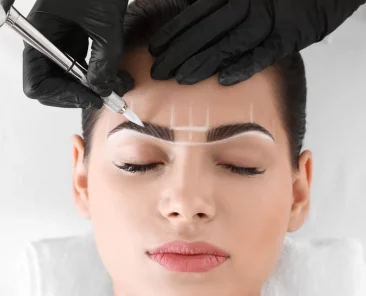
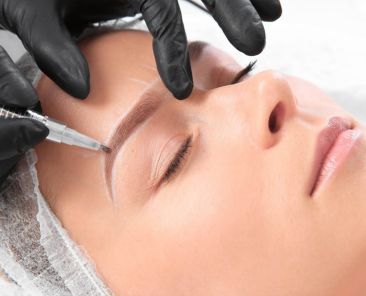
Microblading involves making incisions at the boundary where the epidermis (outer layer) and the dermis (inner layer) using a manual blade equipped with a row of micro-needles at its tip, followed by the insertion of semi-permanent pigments (dye) into these incisions. This procedure is essentially a variation of tattooing and produces similar physiological effects.
These micro-cuts made on the skin during the procedure, when performed without proper control, can penetrate as deep as the dermis layer of the skin, leading to the formation of scar tissue (wound tissue). Over time, these scar tissues accumulate beneath the skin, causing the skin to harden, pores to close, and existing natural eyebrow hair follicles to fall out due to lack of nourishment.
In addition, the pigments that are implanted are recognized as foreign substances by the body’s immune system and are constantly broken down. This breakdown process causes the pigment’s color to fade over time into shades of gray, blue, green, or red/orange. Consequently, microblading is a temporary makeup method that requires regular touch-ups (every 1–1.5 years) and subjects the skin to constant trauma.
What Is Long FUE Eyebrow Transplantation and Its Effects on Skin Biology
Eyebrow transplantation, on the other hand, involves transferring living tissue taken from the person’s own body, rather than injecting a foreign chemical substance into the skin. Fine hair follicles from the back of the head or behind the ears—which are resistant to hair loss—are extracted along with the surrounding tissue (as grafts) using micro-punch tips and implanted into micro-channels created in the eyebrow area.
In this procedure, the transplanted hair follicles retain their vitality and, by connecting to capillaries in their new locations, continue their natural life cycle (anagen, catagen, and telogen phases). The transplanted eyebrows are permanent, do not fall out, and do not change color like hair dye. It does not damage the skin’s natural structure; on the contrary, the creation of microchannels stimulates blood circulation and collagen synthesis in that area, supporting skin regeneration. Thanks to Shave-Free Long FUE, since the donor area is not shaved, patients do not have to interrupt their social lives.
A Detailed Comparison of Microblading and Long FUE Eyebrow Transplantation
The table below provides a comparative overview of all the differences between the two methods from technical, aesthetic, and biological perspectives:
| Comparison Criteria | Microblading (Permanent Makeup) | Long FUE Eyebrow Transplant |
|---|---|---|
| Applicable Provision | Synthetic chemical pigments (dyes). | A person's own live hair follicles (grafts). |
| Duration of Persistence | Temporary (fades and changes color within 12–18 months). | Lasts a Lifetime. It won't spill or get lost. |
| Naturalness and Size | A 2D drawing. Upon closer inspection, its artificial nature becomes apparent. | 3D real hair. It is indistinguishable from natural eyebrows. |
| Its Effect on Skin Health | Repeated cuts cause scar tissue to form under the skin. | Microcannels heal quickly and improve tissue quality. |
| Effect on Natural Eyebrows | Chemicals and scar tissue can cause existing eyebrow hairs to fall out. | It does not damage existing roots and permanently fills in gaps. |
| Risk of Color Change | Very high. Over time, it turns blue, green, gray, or red. | Zero. It stays exactly the same as your natural hair color and doesn't fade. |
| Recommended Session Frequency | It should be repeated every 1–1.5 years for the rest of one’s life. | Usually a single session It lasts a lifetime. |
| Formability | It is a fixed drawing; it cannot be cut, scanned, or rotated. | They are real, growing hairs; they can be cut, combed, and styled. |
The Risks of Permanent Eyebrow Makeup and Its Chemical Effects on Eyebrow Follicles
The ingredients in the pigments used in microblading and other permanent makeup procedures are a subject of serious debate in the medical community. Many permanent makeup inks contain heavy metals (lead, nickel, chromium, cobalt) and azo dyes. When these chemicals are injected into the dermis layer of the skin, they can cause certain types of damage:
- Chronic Inflammation: Because the body cannot eliminate these heavy metals, a microscopic inflammatory reaction (foreign body reaction) persists in the area. This chronic inflammation poisons the healthy, natural eyebrow hair follicles in the immediate vicinity, causing them to fall out.
- Follicular Atrophy (Hair Follicle Death): Scar tissue and chemicals that accumulate in the dermis cause the capillaries that nourish the natural eyebrow follicles to become blocked. Over time, the deprived follicles shrink (atrophy) and become unable to produce hair. This results in the permanent loss of natural eyebrows in the pursuit of temporary beauty.

Planning Eyebrow Transplantation After Microblading Removal
The number of patients who regret getting microblading due to color fading, an asymmetrical design, or an unnatural appearance is increasing every day. The revision protocol we follow at our clinic to help these patients regain a natural appearance is as follows:
First, the artificial pigments beneath the skin must be removed. To do this, laser eyebrow removal procedures are performed using Q-switched or picosecond laser systems. The laser beams target large pigment particles beneath the skin, breaking them down into smaller molecules, and allow the lymphatic system to eliminate these pigments from the body.
Depending on the depth and color of the tattoo, 2 to 4 removal sessions may be required. After the removal procedure, you should wait at least 4–8 weeks to allow the skin and underlying tissues to heal.
Once the tissue has fully stabilized and any dye residue has been removed, the eyebrow transplant procedure is scheduled using the shave-free Long FUE method. This allows even areas where scar tissue has formed to be restored with fresh follicles, restoring a natural appearance. During this process, Classic FUE eyebrow transplant The differences between the Long FUE and other techniques are explained to the patient by the doctor.
Cost and Investment Analysis: Which Is More Cost-Effective?
One of the biggest misconceptions patients have when making decisions is cost analysis. At first glance, microblading session prices appear lower than those for eyebrow transplants. However, microblading is a temporary procedure. Since this cosmetic procedure must be repeated once a year, when calculated over a 5- to 10-year period, the cumulative cost of recurring session fees, removal costs, and the products used for skin care results in a total cost that is significantly higher than that of eyebrow transplantation.
In contrast, eyebrow transplantation is a one-time investment. Since it offers lifelong results, it incurs no additional costs in the years to come. Not only will you protect your skin from chemical damage, but you’ll also benefit from a solution that is much more cost-effective in the long run. For more information Long FUE eyebrow transplant prices You can visit our website or contact our specialist physician to discuss alternative treatment options.
Aesthetic Naturalness and Dimensional Analysis: 2D Drawing vs. 3D Real Hair
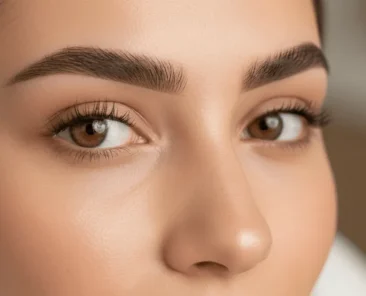
When we look at our faces, we see that our eyebrows are not just a solid block of color, but three-dimensional structures that reflect light and shadow, adding depth to our expressions. Microblading, no matter how skilled the specialist performing it, consists solely of two-dimensional lines drawn on the skin. When viewed up close, it’s clear that there’s a layer of pigment on the skin’s pores. Especially in daylight or in photos taken with a flash, the pigment’s shimmer enhances the artificial appearance.
Eyebrow transplantation, on the other hand, recreates the three-dimensional structure of natural hair. The follicles transplanted from the donor area continue to produce their own hair shafts. These shafts create a natural shadow and volume on the skin.
Your eyebrows move in sync with your facial expressions and blend seamlessly with your natural facial expressions. The transplanted eyebrows can be combed, styled with eyebrow gel, and directed in any desired direction. This three-dimensional depth offers a natural look that can never be replicated with makeup.
When Should You Choose Which Method? A Decision Guide
To determine which method is best for you, you can consider the following criteria:
- Those Requesting Temporary Changes: If you want to change your eyebrow shape frequently and aren’t ready to make a permanent commitment, temporary makeup treatments might be an option for you. However, you should keep in mind that your skin will be damaged.
- For Those Seeking a Permanent and Natural Solution: For anyone who doesn’t want to spend their whole life worrying about eyebrow styling, is tired of setting aside money for constant treatments, and—most importantly—wants a “natural-looking” result, eyebrow transplantation is the only option.
- Those Who Prioritize Skin Health: People who want to avoid the allergic reactions and heavy metal toxicity associated with chemical dyes, and who want to prevent scar tissue from forming, should consider eyebrow transplantation.
- Patients with Alopecia or Scarring: When microblading is performed on individuals in the eyebrow area who have no hair at all or deep scarring, the pigment does not adhere to the skin and washes away quickly. For these patients, the only functional and aesthetic solution is eyebrow transplantation.
Clinical Experience and Making the Right Choice: Advice from Dr. Handan Yavuz
One of the most common mistakes patients considering eyebrow restoration make is failing to verify the practitioner’s expertise. Procedures performed at beauty salons are not subject to medical oversight. Eyebrow transplantation, however, is a medical procedure performed under local anesthesia in accordance with surgical sterilization standards.
Dr. Handan Yavuz offers a personalized design by measuring each patient’s facial bone structure, eye spacing, and nasal angle using golden ratio scales. Procedures performed using the Shave-Free Long FUE technology are completely free of any artificial appearance, as they perfectly mimic the natural direction of hair growth. Before making a decision, you must consult a specialist physician and have your skin condition analyzed.
Which Method Requires Less Maintenance in the Long Run?
When comparing microblading and Long FUE eyebrow transplants, most patients focus solely on the initial cost. However, the real difference lies in the long-term maintenance burden. Microblading must be touched up at regular intervals; each touch-up means a new procedure and a new expense.
Eyebrow transplantation, on the other hand, is a one-time solution because it uses your own hair follicles. Afterward, you can easily shape your eyebrows just like your natural ones.
For this reason, we recommend that you evaluate the decision not only based on today’s figures, but also on the total burden over the coming years.
Consider Your Lifestyle When Making Decisions
The right method isn't the same for everyone; it depends on your expectations and lifestyle. If you're looking for a permanent and natural solution, an approach that uses your own hair is more suitable.
For people who want a temporary change or aren’t ready to make a permanent decision yet, cosmetic procedures may be an option. The key is to make sure your expectations align with the procedure.
You don’t have to make this decision on your own. We’ll assess your current eyebrow shape and work with you to determine the best approach for you.
Choosing a Method Based on Age and Skin Type
Which method is more suitable depends on your age and skin type. While permanent pigment tends to fade more easily on oily skin, color changes may vary on dry skin. These factors directly affect the longevity of cosmetic procedures.
A transplant that uses your own hair follicles provides permanent results regardless of your skin type. For this reason, a structural solution is often a safer option for patients thinking long-term.
When helping you make the right choice, we assess your skin type on the spot. Rather than recommending a single method for everyone, we work with you to determine the one that will require the least amount of maintenance.
Which Method Yields Faster Results?
Microblading provides a defined eyebrow appearance immediately after the procedure, but this appearance is not permanent and fades over time. With eyebrow transplantation, on the other hand, it takes a little longer for the results to fully develop, but the resulting eyebrows are permanent and consist of your own hair follicles.
In other words, it’s a trade-off between speed and longevity. While cosmetic procedures may be appealing to those who want quick results in the short term, they require repeated touch-ups over the long term.
Clarifying whether you’re looking for a “quick fix” or a “long-term solution” is the first step in choosing the right approach. We make this decision by evaluating your lifestyle and priorities together.
Ultimately, there is no single correct answer to the question of whether to choose microblading or eyebrow transplantation; the right answer depends on your expectations. If a permanent and natural solution is your priority, a transplant using your own hair follicles is the better option. If a temporary change is sufficient, cosmetic procedures may be considered. For this reason, we prefer to finalize the decision between microblading and eyebrow transplantation only after we’ve evaluated your current eyebrow structure together.
Frequently Asked Questions
If the existing microblading color is very faint and the design stays within the boundaries where the new microblading will be applied, the new microblading can be applied directly over it without removal. However, if the pigment color is very dark or has red or blue undertones, removal is required first to achieve a natural result.
When performed by experts using devices with the correct wavelength, laser beams target only the pigment in the hair and do not damage your own eyebrow hair follicles. However, incorrect dosage can cause burns to the hair follicles.
Since you will regain your natural eyebrows after an eyebrow transplant, you will no longer need to undergo artificial coloring (microblading). Additionally, injecting chemicals under the transplanted eyebrows is not recommended, as it could compromise the health of the follicles.
Yes. The nickel and azo dyes in these pigments can cause allergic reactions, contact dermatitis, and itchy lesions in people with sensitive skin. With eyebrow transplantation, however, since your own tissue is used, the risk of an allergic reaction is zero.
Topical anesthetic creams are typically used during the microblading procedure, and mild to moderate discomfort may be felt as the incisions are made. Eyebrow transplantation, on the other hand, is performed under local anesthesia and is completely pain-free during the procedure.
Yes. Since the transplanted hairs retain the characteristics of hair follicles, they grow quickly in the first few years and require weekly trimming. However, as time goes on, they adapt to the blood circulation in the eyebrow area, and their growth rate slows down significantly.
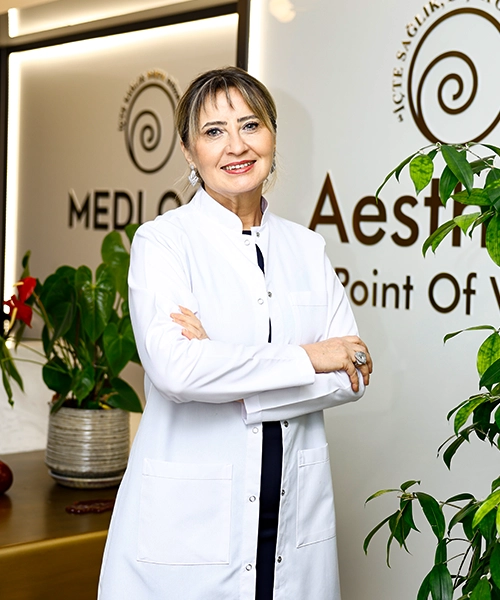
Dr. Handan Yavuz
MAKE AN APPOINTMENT