
The Dangers of Permanent Eyebrow Makeup — The Hidden Effects of Cosmetic Procedures
 Dr. Handan YavuzKas Architect
6 min read
Dr. Handan YavuzKas Architect
6 min read
Contents
- Pigment Chemistry and Heavy Metal Toxicity
- Comparison of Methods in Terms of Tissue Health
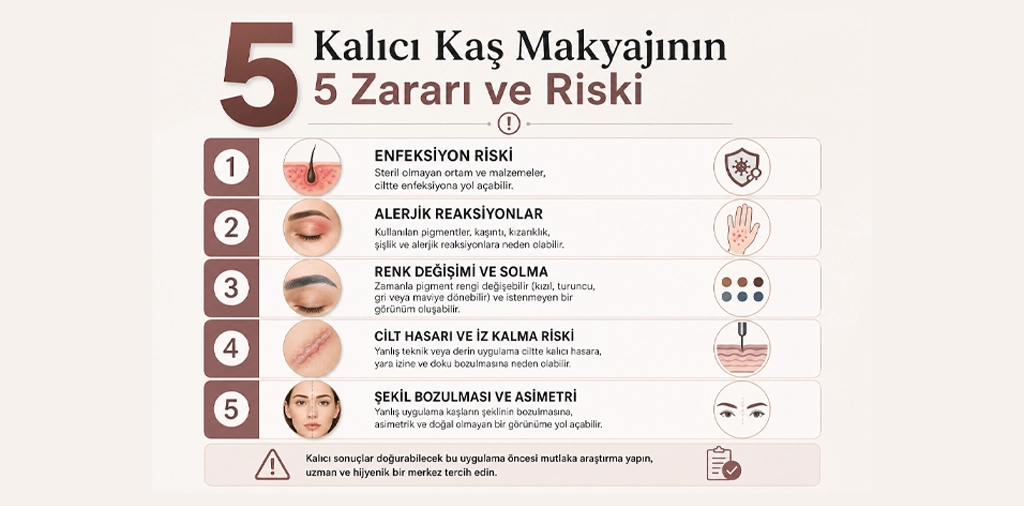
- The Main Physical and Aesthetic Harms of Permanent Eyebrow Makeup
- Restoration of Damaged Skin and Eyebrow Transplant Plan
- What You Need to Know Before Getting Permanent Makeup
- The Skin's Recovery Process After Permanent Makeup
- Frequently Asked Questions
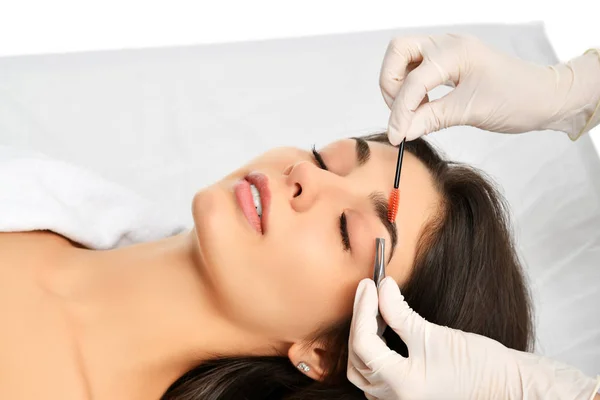
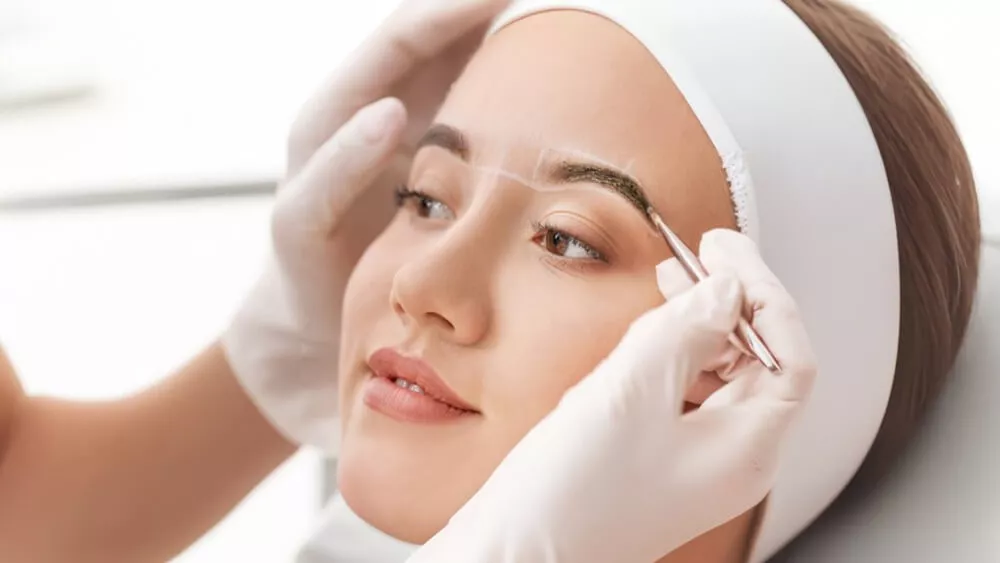
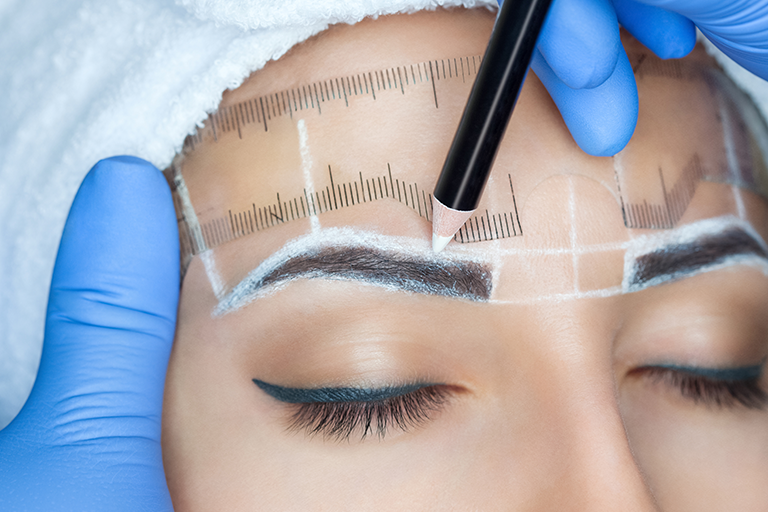
A procedure performed at beauty salons to achieve thicker and more defined eyebrows microblading, procedures such as micropigmentation or temporary tattoos may seem practical and hassle-free at first glance. However, these types of procedures, which involve injecting foreign substances under the skin, have serious adverse effects on long-term skin health and natural hair follicles. A review of the medical literature reveals that, The Risks of Permanent Eyebrow Makeup There is a significant number of patients who have completely lost their natural eyebrow follicles and suffered permanent damage to their skin as a result.
According to Dr. Handan Yavuz’s clinical observations, the pigments (dyes) used in beauty salons are generally produced to industrial standards and are not subject to medical oversight. This situation leads to the chemicals injected into the dermis layer of the skin directly poisoning the hair and eyebrow follicles (follicular toxicity). Additionally, the incision and needle techniques used during the procedure cause uncontrolled wound healing beneath the skin, triggering the development of scar tissue. Scar tissue constricts the hair follicles, blocking blood circulation and eventually leading to permanent eyebrow hair loss.
Instead of trying to camouflage your thinning eyebrows by dyeing them—and risking damage to your skin and hair follicles—the scientifically sound approach is Microblading or eyebrow transplantation? Ask yourself this question and opt for a permanent solution using your own live hair follicles. Shave-free Long FUE This technique preserves the skin’s biological structure by transplanting your own healthy hair follicles to the eyebrow area without injecting any chemicals into your skin.
Pigment Chemistry and Heavy Metal Toxicity
Although the dyes used in permanent makeup procedures are referred to as cosmetic pigments, an analysis of their chemical composition reveals that they contain high levels of heavy metals. Iron oxide, titanium dioxide, carbon black, cobalt, copper, chromium, and nickel are some of these components. When these heavy metals—used to increase the pigment’s longevity—accumulate in the deeper layers of the skin, they can lead to the following physiological problems:
- Oxidative Stress: Heavy metals trigger the production of free radicals in the cells beneath the skin. This leads to oxidative stress at the cellular level, accelerating the aging of healthy cells and damaging the DNA structure of nearby eyebrow hair follicles.
- Lymphatic Accumulation: The body recognizes these pigments, which are injected into the dermis, as foreign substances. Immune system cells (macrophages) attempt to engulf these pigments. However, since the metals cannot be broken down, they accumulate in the regional lymph nodes, leading to lymphatic blockages and chronic inflammation.
- Allergic Reactions (Granuloma Formation): The skin may be hypersensitive to heavy metals. As a result, hard, swollen, and painful lumps (granulomas) may form at the injection sites. These lumps can cause permanent damage severe enough to require surgical intervention.
Comparison of Methods in Terms of Tissue Health
The long-term effects of various treatments on skin structure, pores, and hair follicles are summarized in the table below:
| Physiological Parameter | Healthy / Natural Skin | After Long FUE Eyebrow Transplant | After Permanent Makeup (Microblading) |
|---|---|---|---|
| Tissue Integrity | Completely homogeneous and flexible. | With the exception of temporary microchannels, tissue integrity is fully preserved. | Scar tissue formation. Skin hardening and fibrosis. |
| Follicle Nutrition | Capillaries continuously supply nutrients to the roots. | Microcannels stimulate blood circulation and collagen production. | Capillary blockages. Chemicals choke the roots. |
| Pore Condition | The pores are open, and the skin can breathe. | Pores and hair follicles retain their natural structure. | Clogged pores. Paint residue inhibits cell regeneration. |
| Foreign Substance Reaction | No. | Because it is part of a person's very being zero risk of reaction. | Continuous reaction. The lymphatic system works to eliminate the dye. |
The Main Physical and Aesthetic Harms of Permanent Eyebrow Makeup
The most common complications we encounter in patients who have undergone permanent eyebrow makeup are as follows:
1. Subcutaneous Scar Tissue and Fibrosis
The razor-like micro-blades at the tip of the microblading pen make linear incisions in the skin. If the person performing this procedure lacks knowledge of dermatology or anatomy, they cannot control the depth of the incision. Incisions made below the epidermis (outer layer of the skin) into the dermis lead to the uncontrolled production of connective tissue (fibrosis) in the skin, similar to “keloids” or “hypertrophic scars.” Once this hard tissue forms, the pores in that area close, making it impossible for existing hair follicles to grow back.
2. Color Distortions and Asymmetry
As the body attempts to metabolize the dyes used, the color pigments undergo chemical changes. Eyebrows dyed dark brown or black may turn into a murky blue-green color or an orange-red hue within a year. This is extremely unsightly and forces the patient to undergo repeated tattooing or removal procedures to cover it up.
3. Natural Eyebrow Hair Loss (Traction Alopecia)
The toxic environment created by the chemicals used in permanent makeup, combined with the circulatory disruption caused by the tattooing process, leads to the loss of the patient’s existing natural eyebrow hairs. Many patients report that, while they began this process to make their eyebrows appear fuller, over time their natural eyebrows also fell out, leaving them completely dependent on the dye.
The American Academy of Dermatology (AAD) As emphasized in the sources, pigments injected under the skin may carry a risk of allergic reactions and permanent discoloration.
Restoration of Damaged Skin and Eyebrow Transplant Plan
If your eyebrows have fallen out or your subcutaneous tissue has been damaged due to permanent makeup procedures, this condition is not irreversible. At our clinic, we take a multidisciplinary approach to repairing damaged skin. In the first stage, laser removal procedures are performed to clear the artificial pigments from the damaged area and reduce the chemical burden on the skin. For more information, Eyebrow Transplant After Microblading Removal you can read our article.
After the dyes are removed, blood circulation is restored by applying tissue-regenerating PRP or mesotherapy cocktails to the skin. In the final stage, live and healthy hair follicles harvested from the donor area are transplanted into the scarred area using the shave-free Long FUE technique. The transplanted live follicles stimulate the vascular structures beneath the scar tissue, promoting the revitalization of the area. For more information on the healing process and technical details of classic FUE eyebrow transplants, Classic FUE eyebrow transplant You can access it from our website.
What You Need to Know Before Getting Permanent Makeup
Permanent eyebrow makeup may seem like a practical solution at first glance. However, any procedure that deposits pigment into the skin from the outside affects the tissue to some extent. That’s why it’s important to understand the long-term results before making a decision.
It is common for pigments to change color, fade, or leave marks under the skin over time. Furthermore, these procedures must be repeated at regular intervals; in other words, they are not a one-time solution.
If you want to preserve the health of your natural eyebrow follicles, we recommend considering methods that use your own hair follicles instead of permanent pigment. It wouldn’t be accurate to say which method is right for you without seeing your current eyebrow structure; that’s why we prefer to make the decision together.
The Skin's Recovery Process After Permanent Makeup
Many patients who decide to remove their permanent eyebrow makeup wonder when their skin will return to its former health. This process varies from person to person, depending on the concentration of pigment beneath the skin and the depth of application. While the skin recovers more quickly with superficial applications, patience is required when the pigment is placed deeper.
During this period, we recommend that you avoid aggressive peels or treatments involving intense heat that can irritate the skin. Gentle skincare that supports the skin barrier helps lay a strong foundation for your next eyebrow transplant.
Dr. Handan Yavuz always reassesses the treatment plan for patients with a history of permanent makeup based on the current condition of their skin. The traces of the previous procedure are fully manageable; the key is to proceed in the correct order and without rushing. This way, we both preserve tissue health and achieve a long-lasting, natural result.
For those looking for a permanent solution: Risks of eyebrow Injection.
Frequently Asked Questions
Is permanent eyebrow makeup carcinogenic?
Some inexpensive and unregulated permanent makeup pigments contain azo dyes and heavy metals. Since some of these substances pose carcinogenic or mutagenic risks, you should absolutely avoid products that have not been approved by health authorities.
Do the scars from microblading go away?
Mild superficial scars can be reduced over time and with appropriate dermatological treatments (fractional laser, mesotherapy). However, fibrotic scar tissue resulting from deep dermal incisions cannot be completely eliminated; it can, however, be camouflaged with the right eyebrow transplant.
Is eyebrow transplantation as harmful to the skin as permanent makeup?
No. Eyebrow transplantation is a surgical micro-grafting procedure. The instruments used are millimeter-sized punches, and no foreign chemicals are injected into the skin. Since the transplanted follicles are the body’s own, tissue compatibility is excellent and there is no risk of harm.
Is permanent makeup harmful during pregnancy?
Yes. Heavy metals in permanent makeup inks can enter the bloodstream and reach the baby through the placenta. For this reason, undergoing such chemical procedures during pregnancy and while breastfeeding is strongly discouraged.
Will my natural eyebrows grow back after an eyebrow transplant?
-
If your natural eyebrow follicles haven’t completely died due to permanent makeup chemicals or scar tissue, some dormant follicles may be stimulated to regrow thanks to the increased blood flow caused by the transplant procedure. However, the only solution for completely dead follicles is a transplant.