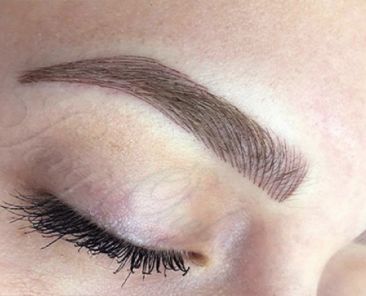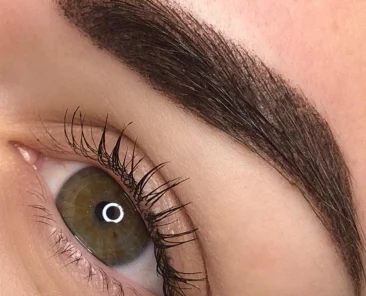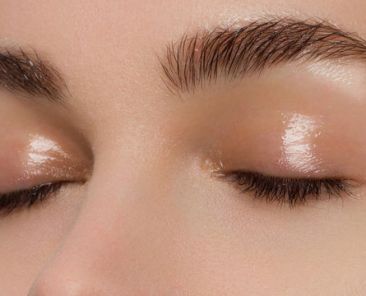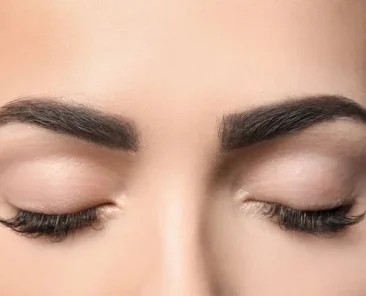


Eyebrow Hair Loss Following Alopecia Areata — Autoimmune Alopecia and Eyebrow Hair Loss
Alopecia (In medical terms) Alopecia Areata), is an autoimmune (immune system-related) hair loss disorder that affects hair follicles throughout the body, particularly on the scalp. When this condition affects the eyebrow area, it is commonly known as “eyebrow alopecia” and causes sudden hair loss in the eyebrows in the form of round or oval patches; in some cases, it can lead to the complete loss of the eyebrows.
The sudden loss of eyebrows places a heavy psychological burden on patients and negatively affects their social relationships. Many patients seek permanent solutions after hair loss occurs. The first question that comes to mind at this stage is: Eyebrow Hair Loss Following Alopecia Areata Can eyebrow transplants be performed on living people? If so, will the transplanted follicles fall out as well?
At our clinic, led by Dr. Handan Yavuz, we follow a scientific and extremely meticulous clinical protocol for patients seeking eyebrow restoration following alopecia areata and similar hair loss conditions. Planning for eyebrow transplantation in autoimmune diseases is entirely different from standard cases and is determined based on the activity of the disease. In this article, we will examine in detail the effects of alopecia areata on hair follicles, the medical criteria for performing eyebrow transplants in patients with alopecia areata, and the role of the Long FUE technique in this process. Our goal is to provide the safest medical solutions at the right time to individuals with a history of this condition.
The Biological Mechanism of Alopecia Areata
Alopecia areata occurs when the body’s immune system mistakenly identifies its own hair follicles as a foreign threat and attacks them. In this condition, defense cells called CD8+ cytotoxic T lymphocytes surround the bulbus (root) structure located in the active growth (anagen) phase of the hair follicle. In medical literature, this accumulation of cells is likened to a “swarm of bees” under microscopic examination. By creating chronic inflammation around the bulbus, these immune cells target the keratinocytes that produce hair, causing the hair root to rapidly exit its growth phase and enter the resting and shedding (telogen) phase.
During this process, the hair follicle itself is not permanently destroyed; it simply enters a deep dormant state. Because the follicles remain viable, hair in patients with alopecia may suddenly regrow on its own months or years later. However, any eyebrow transplant procedure performed while the disease is active will definitely fail.
This is because the body will attack the newly transplanted hair follicles as if they were foreign cells, causing them to fall out as well. For this reason, the most fundamental prerequisite for performing eyebrow transplants on patients with alopecia areata is that **the disease has entered a stable (inactive) phase**.
Criteria and Diagnostic Methods for Eyebrow Transplantation Following Autoimmune Alopecia
The basic criteria used at our clinic to determine whether a patient with a history of alopecia areata or eyebrow alopecia is a suitable candidate for eyebrow transplantation are as follows:
- Stabilization (Cessation of Spillage) Time: The patient’s eyebrow and hair loss must have completely stopped for at least 1.5–2 years. During this period, no new areas of hair loss should have developed, and no active redness or flaking should have been observed in the existing areas of hair loss.
- Completion of Medical Treatments: Dermatological treatments such as cortisone, immunosuppressants, or PRP must have been completed, and the eyebrows must still not have grown back.
- Status of the Donor Region: It is essential that there be no active areas of alopecia in the nape of the neck (the donor area) from which the hair follicles will be harvested, and that a sufficient number of healthy hair follicles be present.
During the examination, trichogram and trichoscopy (hair camera) analyses are performed to assess the patient’s eligibility. In trichoscopy, there should be no “exclamation mark hairs”—a sign of active alopecia areata—nor any black or yellow spots. A pull test performed at the edges of the balding area should yield a negative result. If these findings are normal and the balding area has remained unchanged for a long time, the patient is considered to have reached the stable phase for hair transplantation.
Other Conditions Causing Permanent Eyebrow Hair Loss (Frontal Fibrosing Alopecia and Lichen Planopilaris)
In addition to alopecia areata, other significant dermatological conditions that cause permanent hair loss in the eyebrow area are known as Frontal Fibrosing Alopecia (FFA) and Lichen Planopilaris (LPP). Unlike alopecia areata, these conditions fall under the category of “scarring alopecia.” In other words, the immune system does not simply put the hair follicle into a dormant state; it permanently destroys the stem cells in the bulge region of the hair follicle and replaces them with hard scar tissue (fibrosis). In these conditions, it is biologically impossible for lost eyebrow hair to regrow on its own.
Frontal Fibrosing Alopecia is a condition characterized by progressive hair loss at the frontal hairline and eyebrows, particularly in postmenopausal women, and is associated with lichenoid follicular inflammation. Lichen planopilaris, on the other hand, presents as follicular keratotic papules on the scalp and body hair, leading to itching, scaling, and permanent hair loss. Since both of these conditions result in permanent scarring alopecia, the skin in the area to be transplanted becomes hardened and scarred. This necessitates the routine use of PRP and mesotherapy before and after surgery to promote angiogenesis and ensure adequate blood supply.
In patients with FFA and LPP, eyebrow transplantation can only be performed once the disease has clinically “burnt out.” Eyebrow transplantation can be planned for patients who have shown no progression for at least 2–3 years, have completed medication treatments, and have been confirmed via biopsy to have no active inflammation. Since the transplant is performed on scarred tissue, special microtunneling techniques and PRP treatments are incorporated into the procedure to ensure proper nourishment of the hair follicles. A transplant performed during the active phase of the disease will result in the complete death of the hair follicles.
A patient information resource from the U.S. National Library of Medicine, MedlinePlus As explained in the content, alopecia areata is a condition in which the immune system targets hair follicles, and its course varies.

Clinical Preparation Checklist for Eyebrow Transplantation
The table below presents a clinical assessment checklist used to determine whether individuals who have had alopecia or similar hair loss conditions are ready for an eyebrow transplant procedure:
| Criterion / Status | Not Ready (October Should Be Postponed) | Ready (Can Be Planted) |
|---|---|---|
| Shedding Activity | There have been new deforested areas in the last 12 months | There has been no shedding for at least 18–24 months |
| Local Skin Examination | There is itching and redness in the affected area | The skin is completely normal in color and healthy |
| Medication Use | Active systemic cortisone use continues | Medical treatment has been completed, and the patient is in a stable condition |
| Donor Region Health | There are gaps/patches in the back of the neck | The back of the head is full, healthy, and free of hair loss |
| Expected Success Rate | Very low (roots may fall out again) | High (close to normal seeding rates) |
As clearly shown in the table, eyebrow transplantation is absolutely not recommended during active phases of the disease. Planning the procedure only after ensuring that the disease has gone into complete remission directly determines the success of the surgery. To learn more about other causes of permanent hair loss and their surgical treatments, The Definitive Solution for Thicker Eyebrows You can review our guide. To compare transplantation procedures on traumatic tissues, such as scars or suture marks, Eyebrow Transplant for Injured Eyebrows you can take a look at our article.
Long FUE Eyebrow Transplant Plan Following Hair Loss Conditions
For eyebrow restoration in patients with alopecia who have entered a stable phase Long FUE This technique is the best option. Since people who have had alopecia areata are sensitive to hair loss, not shaving the donor area provides significant psychological comfort.
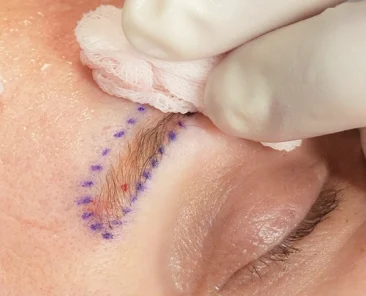
Long hair follicles harvested from the back of the head using the Long FUE method—without shaving—are implanted into microchannels parallel to the skin (at a 10–15-degree angle) within the predefined design boundaries of the eyebrow area. The use of long grafts allows for millimeter-precise adjustment of hair direction and curvature, ensuring a natural appearance. If you would like to learn more about traditional surgical alternatives, Classic FUE eyebrow transplant You can also check out our page.
Postoperative Follow-Up and Preventive Care
In patients with a history of alopecia, the postoperative recovery process is similar to that of standard patients, but the follow-up process requires greater care. After the shock loss phase (beginning around the third month on average), the transplanted eyebrows are expected to grow healthily. During this process, it is important to maintain healthy eating habits that support the immune system, avoid stress, and attend regular follow-up appointments with your doctor.
The possibility that the immune system may be triggered in the future and that the condition may recur must always be taken into account. However, in transplants performed during a stable phase, the fact that hair follicles harvested from the nape of the neck are hormonally and structurally more resistant to hair loss increases the chances of preserving the transplanted eyebrows even in cases of recurrence. Our clinic closely monitors our patients dermatologically for one year following the procedure. Trichoscopic examinations conducted at regular intervals allow for the early detection of any signs of inflammation around the hair follicles.
**”At Istanbul Eyebrow Transplant, every procedure is customized following a detailed facial analysis. Please contact us for more information about eyebrow loss following alopecia.”**
Frequently Asked Questions
Yes, but eyebrow transplantation can be performed only if the condition has entered a completely stable phase and no new areas of hair loss have developed for at least 1.5–2 years.
In cases of severe relapse of the disease, the immune system may also attack the newly transplanted hair follicles. However, since the hair follicles taken from the nape of the neck are more resilient, the likelihood of hair loss is lower than with the original eyebrows.
Yes, since alopecia areata does not permanently destroy hair follicles, hair may sometimes grow back on its own after months or years. For this reason, there is no need to rush into a hair transplant; you should wait to see the results of medical treatments.
The lower parts of the nape of the neck, where the condition has not affected the hair and the hair is thick and healthy, are preferred. If the nape of the neck has also been affected by the condition, the procedure cannot be performed.
Yes, just as with standard eyebrow transplants, the transplanted follicles go through a phase of shock loss in the 3rd and 4th weeks following the procedure and begin to grow back permanently starting in the 3rd month.
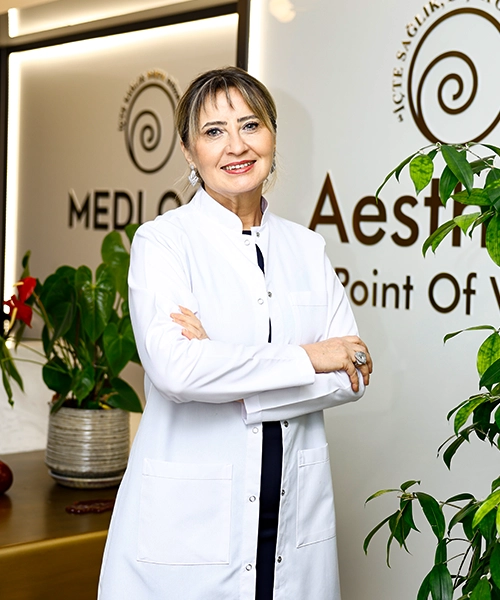
Dr. Handan Yavuz
MAKE AN APPOINTMENT