

Brow Lamination vs. Microblading vs. Transplant
Highlights
- Eyebrow lamination shapes existing hairs, microblading implants pigment into the skin, and eyebrow transplant adds new hair follicles using the eyebrowa method.
- Lamination lasts a few weeks, microblading lasts one to two years, and eyebrow transplant is permanent.
- Lamination and microblading cannot create hair in areas where there is no hair; in sparse areas, this is where the limitations of these two methods begin.
- For individuals with Eyebrow who are thin but lack body shape, lamination is generally sufficient; hair transplantation is unnecessary for this group.
- The three methods are not in competition with one another; they are different solutions to different problems.
- People who have had microblading done may be eligible for eyebrow transplant after their pigment status has been evaluated.
Today, anyone looking to change their Eyebrow has three main options: lamination, microblading, and eyebrow transplant. All three are referred to by the term “eyebrow,” but the procedures they involve are completely different. This article compares the three methods side by side using the same criteria; it explains which one addresses which eyebrow issue, how long each takes, and under what circumstances one is preferred over the other. The goal is not to praise one over the others, but to show the right match.
A Brief Comparison of the Three Methods
The table below compares the three methods under main headings. The rest of the article elaborates on the rows in this table.
| Criterion | Eyebrow lamination | Microblading | Eyebrow Transplant |
|---|---|---|---|
| What does it do? | It straightens and styles existing hair using a chemical treatment | It deposits pigment into the skin in the form of fine lines | It transplants hair follicles harvested from the back of the head to eyebrowa |
| Does it add hair? | No. | No, it looks like hair | Yes, real hair |
| Durability | A few weeks | It fades over the course of one to two years | Permanent |
| Implementation period | About an hour | One to two hours | A few hours |
| Anesthesia | None | Numbing cream | Local anesthesia |
| Recovery | None | A few days of peeling | Peeling for one to two weeks, followed by regrowth over the course of several months |
| Who is it for? | Eyebrow: Those who are frequent but scattered | Those who have a gap in their Eyebrow and don't want it to be permanent | Eyebrowı: For those looking for a rare, temporary, or permanent solution |
| Does it need to be repeated? | Yes, all the time | Yes, annual renewal | Usually no |
The first conclusion drawn from the table is this: lamination and microblading improve or mimic the existing eyebrowı; only eyebrow transplant eyebrowa adds real hair. This difference is the key factor in determining which method is suitable for whom.
What Is Eyebrow Lamination?
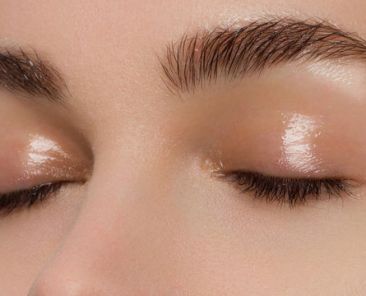
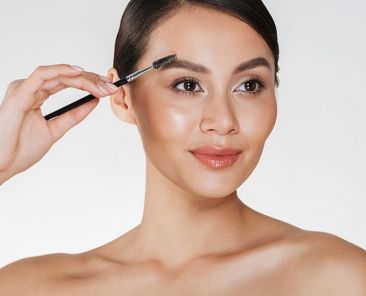
Eyebrow lamination is a styling treatment that temporarily alters the direction and position of eyebrow hair through a chemical process. The hair is combed upward and in the desired direction, fixed in that position, and strengthened with a treatment that helps it retain its shape. As a result, eyebrow hair appears fuller, more uniform, and “brushed.”.
The treatment works on the same principle as permanent hair straightening or perms; the bonds in the hair’s structure are loosened, the hair is repositioned, and the bonds are reformed in this new position. The skin is not touched, and the hair follicle is not affected.
Lamination is performed at aesthetic centers, beauty salons, and eyebrow studios; it is not a medical procedure. This makes it more accessible. However, for the same reason, a physician who assesses the health of eyebrow hair and skin sensitivity is not involved in the process; the outcome depends on the practitioner’s experience.
How Is Lamination Applied?
The process consists of three stages. In the first stage, a eyebrowa softening solution is applied; this solution loosens the bonds in the hair structure and allows the hair to take shape. During this stage, the hair is combed in the desired direction and set.
In the second step, a setting solution is applied. This solution re-forms the bonds in the new position; the hair now lies in the direction it was combed. In the third step, a nourishing treatment is applied, and the hair is colored with eyebrow if desired.
The entire procedure is usually completed within an hour. It is painless and does not require anesthesia. After the procedure, patients are advised not to get the eyebrow wet or rub it on the first day. There is no recovery period; patients can resume their daily activities the same day.
How Long Does Lamination Last?
The effects of lamination last for a few weeks. As new hairs grow and existing hairs shed during the hair’s natural growth cycle, the shape begins to fade. Typically, after six to eight weeks, eyebrow returns to its original appearance.
Factors affecting longevity include hair texture, the practitioner’s experience, the quality of the products used, and post-treatment care. The duration may be shorter for people who wash their hair frequently, are exposed to a lot of sun, or have oily skin.
The fact that the effect is short-lived is not a flaw—it is by design. Lamination is intended as regular maintenance, not a permanent change. For this reason, people who want to maintain their style have the treatment redone every few months. Over the long term, these repeat treatments add up in terms of both time and cost.
The Limits of Lamination: What Can't It Do?
Lamination cannot create hair where none exists. If there is no hair in a specific area of the Eyebrow, there is nothing lamination can do in that area. The surrounding hairs can be laid over that gap to partially cover it; however, this is a visual covering process, and if there is little hair, the coverage remains limited.
In people with fine, sparse hair, lamination often fails to meet expectations. Since there is not enough hair to flatten, the desired volume effect is not achieved; in fact, flattening the hair can make the sparseness even more noticeable.
The second limitation is the repetitive chemical process. Frequent lamination can dry out the hair, make it brittle, and contribute to hair loss over the long term. For this reason, it is recommended to allow sufficient time between treatments. The third limitation is skin sensitivity; the solutions used may cause irritation in some people. These limitations clarify who is a good candidate for lamination: those with eyebrow hair—thick and healthy but unmanageable.
What Is Microblading?
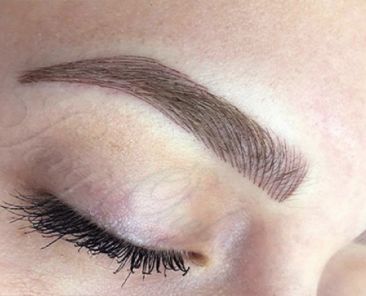
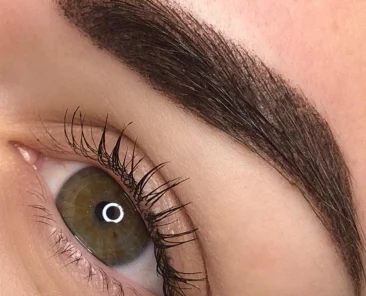
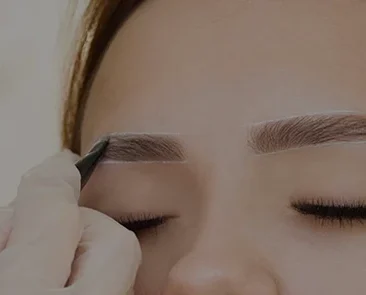
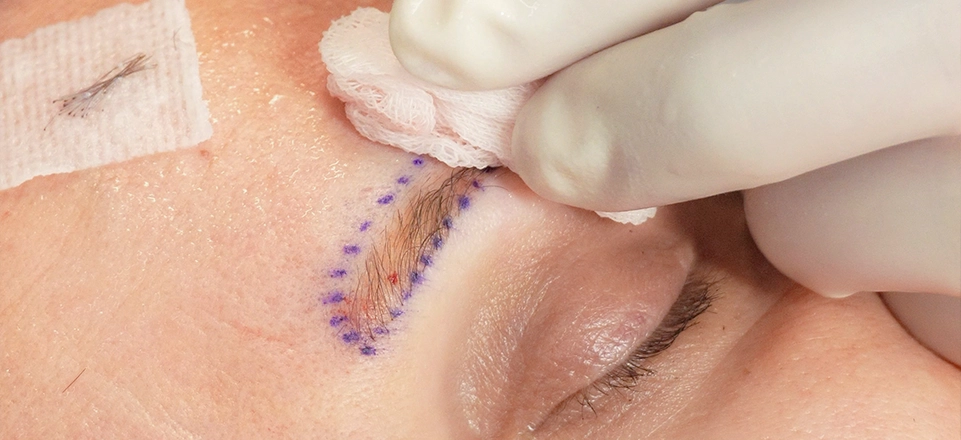
Microblading involves drawing hair-like lines on the skin using a tool with a very fine blade tip and then depositing pigment into these lines. The goal is to create the appearance of hair in areas where there is none. It is a semi-permanent procedure; since the pigment is deposited in the upper layer of the skin, it fades over time.
The main difference from lamination is that microblading involves the skin. Lamination shapes the hair; microblading creates a design on the skin. That’s why microblading produces results even in areas where there is no hair—but what it creates is not actual hair, but the appearance of hair.
A Side-by-Side Comparison of Microblading and eyebrow transplant, Along with Selection Criteria Microblading or eyebrow transplantation? It is discussed in his article.
How Is Microblading Performed, and How Long Does It Last?
Before the procedure, a eyebrow design is drawn and approved together with the client. An anesthetic cream is then applied, and after a short waiting period, the lines are drawn. Pigment is applied to each line. The procedure typically takes one to two hours.
Mild peeling occurs over the next few days; during this time, the area should not be wetted or rubbed. The color appears dark during the first few weeks but lightens as the scabs fall off. In most cases, a follow-up session is performed a few weeks later.
The tattoo typically lasts one to two years. This duration varies depending on skin type, sun exposure, the pigment used, and aftercare. On oily skin, the pigment spreads more quickly and fades faster. Annual touch-up sessions are required to maintain the design.
The Problem of Fading and Color Change in Microblading
The most common complaint about microblading is that the pigment fades and changes color over time. The pigment implanted into the skin is gradually broken down by the body and interacts with sunlight. During this process, some pigments may turn reddish, while others may turn gray or blue.
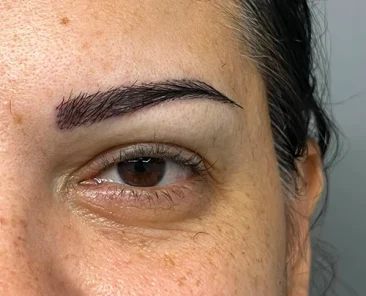
The second problem is the blurring of the lines. Hair lines, which are initially thin and sharp, become blurred and blend together as the pigment spreads within the skin. In this case, eyebrow appears to consist of a shaded block rather than individual hairs.
The third issue is skin damage that may occur after the procedure; in particular, fine marks may remain on the skin following repeated sessions. Possible adverse effects of permanent makeup procedures The Risks of Permanent Eyebrow Makeup These issues are explained in detail in the article. While these issues do not invalidate microblading, they serve as a reminder that the method is a temporary solution and requires maintenance over time.
What Is Eyebrow transplant, and How Is It Different from the Other Two?
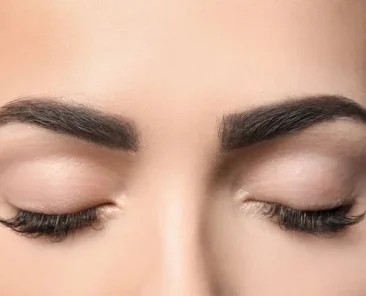
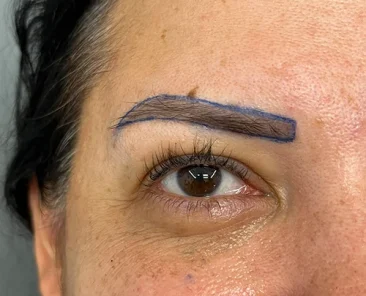
Eyebrow transplant is a medical procedure in which hair follicles harvested from the back of the head are transplanted into sparse or bald areas using the eyebrow technique. It is performed by a physician under local anesthesia. Once the transplanted follicles have taken root, they produce hair permanently. An approach in which only single-hair grafts and correspondingly fine channels are used in the Eyebrow area micro eyebrow transplant is called.
The key difference from the other two methods is that the result is actual hair. Lamination shapes existing hair; microblading creates the appearance of hair; and eyebrow transplant actually adds hair. The added hairs can be styled, dyed, and even laminated—just like natural eyebrow hairs—if desired.
The trade-off for this advantage is that the procedure is a longer, more costly process that requires a recovery period. The transplanted hairs fall out initially, regrow over the course of several months, and the final result takes about a year to achieve. Additionally, the transplanted hairs maintain the growth rate of the donor area, which means they need to be trimmed at regular intervals. Eyebrow transplant is designed for those seeking permanent results rather than quick results.
Durability Comparison
Durability is the most distinctive criterion distinguishing the three methods. The table below details this aspect.
| Criterion | Eyebrow lamination | Microblading | Eyebrow Transplant |
|---|---|---|---|
| Duration of effect | 6 to 8 weeks | 1 to 2 years | Permanent |
| The manner in which the effect ends | The shape is distorted by the hair loop | Pigment-based solar cells, color-changing | The hairs remain; they are trimmed if necessary |
| Need for renewal | Every few months | Annual renewal | Usually none; rarely a follow-up session |
| Reversibility of the result | It goes away on its own | It's difficult; a laser may be needed | It cannot be undone, but it can be managed by cutting it |
| Appearance over time | It stays still, then disappears | It spreads and becomes blurry | Naturally, hair requires care as it grows |
Permanence is not an advantage in and of itself. Temporary methods may be more suitable for people who want to change their look, follow fashion trends, or are undecided. Permanent results are for people who are certain of their decision.
Comparison in Terms of Frequency of Repetition
Lamination is done every few months, microblading once a year, and eyebrow transplant is typically done only once. This difference is a key factor when considering long-term costs and time.
The per-session cost of lamination is the lowest among the three methods; however, when repeated several times a year, the total annual cost adds up. The per-session cost of microblading is higher and should be considered in conjunction with annual touch-ups. Eyebrow transplant has the highest one-time cost; however, since it does not require touch-ups, this cost remains constant over the years.
This article does not provide specific price figures; prices vary depending on the provider, the city, and the status of the eyebrow. The key point is the logic behind the calculation: what is cheapest in the short term may not be the cheapest in the long term. How many years a person intends to hold their eyebrow in the same manner determines which method is the most economical.
Eyebrowı: Which One Is Right for Those with Sparse Hair?
In people with sparse Eyebrow hair, lamination is generally insufficient; since there is not enough hair to lay down, it does not create a full look. For this group, the choice is between microblading and eyebrow transplant.
If the sparse areas are minor, the person does not want a permanent procedure, and is willing to get a touch-up in a year or two, microblading can be a good starting point. If the sparse areas are noticeable, part of the eyebrow is completely empty, or the person does not want to get a touch-up every year, eyebrow transplant is a better option.
The cause of the recurrence also affects the decision. If there is active shedding, for example, thyroid disorder Or, due to alopecia areata, no method should be applied without first investigating the cause. In this case, eyebrow transplant is postponed; microblading can be considered a temporary solution, but since ongoing shedding will reduce the number of surrounding hairs, the result may appear inconsistent.
Eyebrowı: Which One Is Right for Someone Who Is Often Busy but Lacks Structure?
For people with hair that is sufficiently thick but grows in a scattered, downward-pointing, or irregular pattern, lamination is the best option. The method is designed specifically for this issue: it organizes existing hair, lifts it upward, and shapes it. Results are visible the same day, and no recovery time is required.
In this group, microblading is unnecessary; the hairs are already there, so drawing hairs with pigment is pointless. Eyebrow transplant is also unnecessary; adding new hairs on top of the existing ones increases density but does not solve the problem of irregular shape.
Therefore, it is not appropriate to recommend a eyebrow transplant treatment for someone who frequently undergoes eyebrow treatments. This person does not need new hair; rather, their existing hair needs to be styled. If the styling issue cannot be resolved through lamination, a eyebrow design treatment combined with regular styling may be a more suitable approach.
Can These Methods Be Applied Together?
Under certain conditions, yes. A person who has undergone the Eyebrow transplant procedure and whose hair has fully grown back can have lamination done on the transplanted hair; since the transplanted hair has the characteristics of natural hair, it responds well to lamination, and regular trimming helps maintain the lamination’s shape. This combination is one of the most commonly chosen maintenance methods following a eyebrow transplant procedure.
The combination of Eyebrow transplant and microblading is less commonly used. In a eyebrow procedure where hair is restored through transplantation, microblading may be considered to shade the background; however, this should be done only after the transplantation is fully completed and following a physician’s evaluation.
It is possible to combine lamination and microblading; lamination can be applied to existing hair once the microblading has fully healed. Practitioners decide together on the order and timing of the procedures. The general rule is not to perform a chemical treatment until a procedure that involves the skin has fully healed.
I Got Microblading Done—Can I Get a Eyebrow transplant Afterward?
Yes, people who have had microblading done can be eyebrow transplant. However, the process involves an additional assessment compared to those who have not had microblading done: the condition of the pigment in the skin.
Pigment does not pose an obstacle in terms of channel creation and graft placement. The issue lies in the design. The direction and shape of the transplanted hairs must be consistent with the existing pigment lines; if there is a mismatch, the eyebrow pattern will appear to have two different shapes. For this reason, the physician may recommend waiting for the pigment to fade or having it removed with a laser. Additionally, if fine scar tissue has formed in certain areas of the skin due to microblading, graft take may be affected in those areas; this is assessed during the examination.
This topic has been covered in a separate article on this site: Getting eyebrow transplant after microblading. In short: transplantation is possible, but the pigment and skin condition must be assessed during the examination, and the design should be tailored accordingly.
This content is intended for those with experience in evaluating permanent eyebrow implementations and the differences between eyebrow transplant and eyebrow Dr. Handan Yavuz Prepared and reviewed by a (Medical Aesthetics Specialist).
Related articles: Microblading or Eyebrow transplant?, How to Build a Permanent Eyebrow and the Difference Between Eyebrow transplant, The Eyebrow Tattoo and the Difference Between Eyebrow and Eyebrow transplant.
Performed at our clinic at Nişantaşı-Harbiye eyebrow transplant You can contact us for information on our methods and to schedule an appointment.
Frequently Asked Questions
Lamination shapes existing eyebrow hairs through a chemical process; it does not add new hair, and the effect lasts for several weeks. Eyebrow transplant, on the other hand, transplants hair follicles taken from the nape of the neck to the eyebrowa area; it provides real, permanent hair. Lamination is designed for those with eyebrow hair that is dense but scattered, while eyebrow transplant is designed for those with eyebrow hair that is sparse or patchy. The two address different issues.
The effects of laminating typically last six to eight weeks. As the hair falls out according to its natural cycle and new hair grows in, the style begins to fade. The duration varies depending on hair texture, the products used, and maintenance; frequent washing and sun exposure can shorten the duration. Those who wish to maintain the style should have the treatment redone every few months; it does not provide permanent results.
It generally provides limited benefit. It cannot create hair without lamination; it only shapes the hair by laying down existing strands. If the Eyebrow technique is applied to sparse areas, there aren’t enough hairs to lay down, so it doesn’t create a fuller look, and the sparseness may sometimes appear even more noticeable. In cases of mild sparseness, surrounding hairs can be partially laid over the gaps to cover them; in cases of significant sparseness, microblading or the eyebrow transplant technique should be considered.
Yes, it is possible. It does not prevent pigment channel creation or graft placement; the main concern is design compatibility. The direction of the transplanted hairs must align with the existing pigment lines. The physician may recommend waiting for the pigment to fade or having it removed. If scar tissue has formed on the skin due to microblading, graft take may be affected in those areas; this is evaluated during the examination.
Lamination has the lowest cost per session, while eyebrow transplant has the highest. However, while lamination is repeated every few months and microblading once a year, eyebrow transplant is typically done only once. Which method is more economical in the long run depends on how many years the person wants to maintain their eyebrow in the same form. What is cheap in the short term may end up being more expensive over the years.
When performed at appropriate intervals by an experienced practitioner, no serious harm is expected. However, frequent chemical treatments can dry out the hair, make it brittle, and contribute to hair loss in the long term. The solutions used may cause irritation on sensitive skin. It is recommended to allow sufficient time between treatments and to postpone the procedure if there is hair loss or irritation in the eyebrow area.
Dr. Handan Yavuz
MAKE AN APPOINTMENT