

Eyebrow Transplant Risks: Side Effects and Facts 2026
eyebrow transplant risks, ...is one of the top topics that many people considering the procedure research most frequently. This is a natural curiosity and a valid question; because, as with any medical procedure, there are risks and side effects to be aware of with eyebrow transplant. However, when performed under the right conditions and by experienced practitioners, eyebrow transplant is a safe procedure. Most situations perceived as harmful stem from improper application or the selection of an unsuitable clinic.
In this article, we discuss potential risks, side effects, and what to keep in mind for a safe procedure, using Dr. Handan Yavuz’s approach.
Highlights
- When performed under the right conditions, eyebrow transplant is a safe procedure; no permanent damage is expected.
- Side effects such as mild redness and peeling are temporary and go away quickly.
- Most persistent problems stem from inexperienced application or incorrect clinical selection.
- Choosing the right doctor and clinic is critical for a safe procedure.
Is Eyebrow Transplant Really Harmful?
When performed under the right conditions by a qualified physician, eyebrow transplant is a safe procedure. Since your own hair follicles are used, there is no foreign material introduced into the body. For this reason, concerns about permanent damage are unfounded.
Situations perceived as harmful are generally related to improper use. With an experienced approach, these risks are minimized. Safety is a result achieved under the right conditions.
What Are the Possible Side Effects of Eyebrow Transplant?
The most common side effects of eyebrow transplant are mild redness and slight peeling. These effects are a natural part of the procedure and resolve on their own within a short time. Temporary sensitivity may also be experienced in the treatment area.
These temporary effects are normal stages of the healing process. They can be managed without any issues if the doctor’s recommendations are followed. A permanent side effect is not expected under the right conditions.
The Difference Between Eyebrow Transplant Losses and Side Effects
The table below distinguishes between temporary side effects and potential problems resulting from improper use.
| Status | Characteristics |
|---|---|
| Redness | Temporary, natural side effect |
| Scaling | Temporary; it will pass soon |
| Artificial appearance | As a result of inexperienced implementation |
| Low grip | As a result of an incorrect technique |
As can be seen from the table, the persistent issues are related to the application, not the nature of the process.
What Kind of Problems Can Incorrect Implementation Cause?
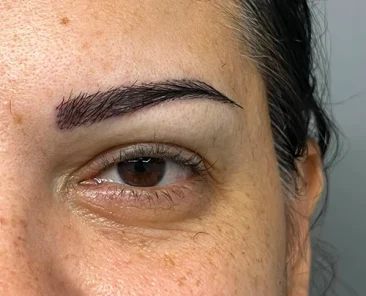
The main risk with eyebrow transplant is when the procedure is performed by inexperienced practitioners. Hairs implanted at the wrong angle or with the wrong density can result in an unnatural appearance. This is the most common cause of dissatisfaction.
In addition, improper technique can lead to poor graft take. This results in sparse hair growth. The key to preventing such problems is choosing the right clinic.
What Is Needed for a Secure Transaction?
The first requirement for a safe procedure is an experienced physician and a well-equipped clinic. Adherence to hygiene standards and the use of proper techniques minimize risks. When these conditions are met, the procedure is completed safely.
For a detailed overview of the process Long FUE eyebrow transplant You can take a look at our website. The right conditions are the foundation for a safe outcome. For this reason, choosing the right clinic is crucial.
Is Eyebrow Transplant Harmful to Your Health?
Eyebrow transplant is not a procedure that poses a risk to general health. Since it is performed under local anesthesia, there are no risks associated with general anesthesia. The International Society of Hair Restoration Surgery (ISHRS) As noted in the sources, 200–400 grafts are typically used for a pair of eyebrows.
A pre-procedure health assessment is an important step in enhancing safety. Chronic conditions are taken into account at this stage. An accurate assessment ensures a safe procedure.
The most concrete way to alleviate concerns about Eyebrow transplant complications is through the procedure’s success rates. In our clinic’s practice, the graft survival rate is typically 90 percent or higher; under optimal conditions, this rate can reach 95 percent. A high retention rate indicates that, under the right conditions, the outcome is a healthy result rather than permanent damage.
Will It Leave a Trace?
No noticeable scarring is expected with the eyebrow transplant procedure, which is performed using a shave-free method. Since the hairs in the donor area are extracted without being cut, there is no change in appearance. This feature makes the eyebrow transplant procedure safe in terms of scarring.
In the transplanted area, no permanent scar forms. The slight redness in the first few days subsides quickly. The correct technique eliminates the risk of scarring.
Does the Result Look Artificial?
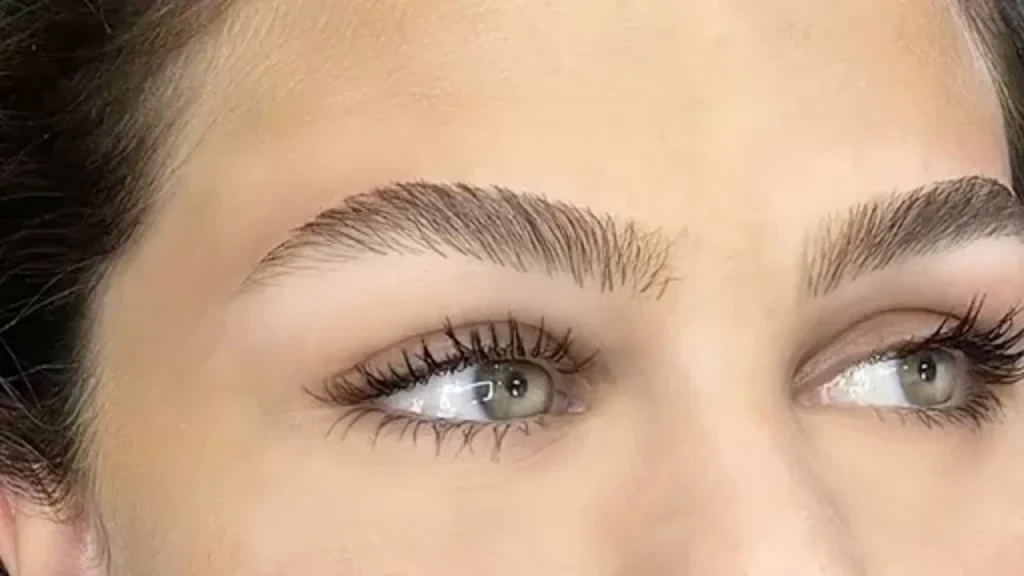
With the right design and technique, the results of eyebrow transplant are natural. Since your own hair follicles are implanted at the correct angle, there is no artificial appearance. Expectations Does an eyebrow transplant look natural? We clarified this in our article.
An unnatural appearance is a problem encountered only in inexperienced procedures. In the right hands, this risk is eliminated. A natural result is the most important goal of the procedure.
Common Fears About Eyebrow Transplant
Most fears regarding eyebrow transplant stem from misinformation and a lack of understanding of the process. Concerns such as pain, scarring, or an unnatural appearance can be addressed with accurate information. These fears often do not reflect reality.
Common Fears About the Procedure Fears About Eyebrow Transplants We addressed this in our article. Providing accurate information goes a long way toward alleviating concerns. Information is the foundation of trust.
Common Misconceptions About Losses
The most common misconception regarding eyebrow transplant risks is the belief that the procedure causes permanent damage. In fact, when performed under the right conditions, the procedure is safe and no permanent damage is expected. Another misconception is the belief that every side effect indicates a serious problem.
Such misconceptions Myths About Eyebrow Transplants We discussed this in our article. Accurate information dispels unnecessary worries. Knowing the facts is the foundation of sound decision-making.
The Way to Minimize Risks
The most effective way to minimize risks is to choose the right clinic and doctor. Experience, hygiene, and proper technique form the foundation of a safe procedure. This choice helps prevent potential problems.
In addition, following post-procedure care recommendations helps reduce risks. Proper care facilitates healing, resulting in both a safe and natural outcome.
The Importance of Pre-Eyebrow Transplant Assessment
The pre-procedure evaluation is one of the most important steps in ensuring safety. During this stage, your Eyebrow status, donor site, and overall health are assessed. This allows for the early identification of potential risks.
This assessment ensures that the process is tailored to the individual. A proper start is the foundation of a safe outcome. That is why the initial examination should not be skipped.
A Personalized Plan for Reliable Results
Since each person’s eyebrow structure and health status are different, a safe outcome is only possible with a personalized plan. During this consultation, we’ll discuss your Eyebrow structure, donor site, and expectations together. This allows us to determine a safe approach tailored specifically to you.
A personalized assessment, rather than general statements, is the true guarantee of security. This plan clarifies both your expectations and your security from the outset. The right assessment is the first step on the path to a secure outcome.
How to Manage Eyebrow Transplant Risks?
The risks associated with eyebrow transplant are largely manageable when the right conditions are in place. An experienced physician anticipates potential risks and takes the necessary precautions. This proactive approach ensures that the process proceeds safely.
Artificial appearance or poor adhesion—both considered eyebrow transplant risks—can be eliminated with the right technique. That is why proper application is at the heart of risk management. A conscious choice minimizes risk.
Checklist for Secure Transactions
To ensure a safe procedure, you should first check the clinic’s hygiene and equipment standards. The doctor’s experience and past results are key factors in ensuring a safe procedure. Transparent planning is also an important part of this assurance.
A safe operation is a process that continues not only during the operation itself but also afterward. Following maintenance recommendations ensures safety. This holistic approach helps prevent potential problems.
Why Is a Lasting Result Linked to Trust?
Lasting results are only possible with a safe and proper procedure. When the grafts take root successfully, the result is both natural and lasting. Therefore, safety and permanence go hand in hand.
For those seeking lasting results, choosing the right clinic is the most important step. Lasting results achieved by experienced professionals are maintained for years. This is the most valuable benefit of a safe procedure.
This content is from experts with experience in secure eyebrow transplant practices and risk management Dr. Handan Yavuz Prepared and reviewed by a (Medical Aesthetics Specialist).
If you are not satisfied with the result: Correcting the eyebrow transplant error and The Harmful Effects of Permanent eyebrow Makeup.
Frequently Asked Questions
When performed under the right conditions, eyebrow hair transplantation is not expected to cause permanent damage. Since your own hair follicles are used, the procedure is safe.
The most common side effects are mild redness and peeling. These are temporary and go away on their own within a short time.
The shave-free method leaves no visible scar. Since the hair is harvested from the donor area without making any incisions, there is no permanent change in appearance.
Most persistent problems stem from inexperienced practitioners or poor clinical judgment, not from the nature of the procedure itself.
Since the procedure is performed under local anesthesia, there are no risks associated with general anesthesia. A pre-procedure health assessment enhances safety.
An experienced physician, a well-equipped clinic, and proper care minimize risks. Making the right choice is the foundation of a safe outcome.
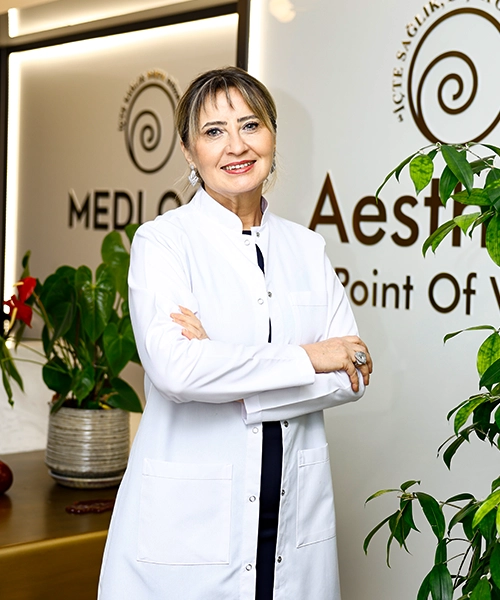
Dr. Handan Yavuz
MAKE AN APPOINTMENT