

Eyebrow Tattoo or Transplant? Differences 2026
Eyebrow tattoo The question of whether to choose eyebrow transplant or eyebrows is one of the issues that most often leaves those seeking a full and even eyebrows look undecided. Both methods aim to improve the eyebrow appearance; however, they differ significantly in terms of longevity, naturalness, and results. While a Eyebrow tattoo adds color to the skin, eyebrow transplant restores your own hair to the area. In this article, we’ll explore the fundamental differences and advantages of both methods and discuss which one is right for you, using the Dr. Handan Yavuz approach.
Highlights
- The Eyebrow tattoo adds color to the skin; the eyebrow transplant restores your natural hair.
- A Eyebrow tattoo fades over time and needs to be touched up; a eyebrow transplant tattoo is permanent.
- The natural result stands out in eyebrow transplant due to its three-dimensional appearance.
- The right method is determined on a case-by-case basis according to your expectations.
What Is a Eyebrow Tattoo?
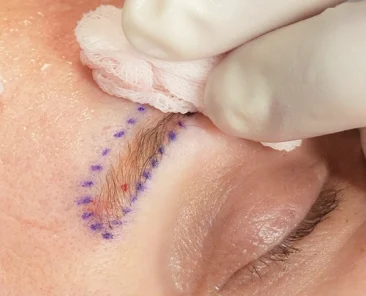
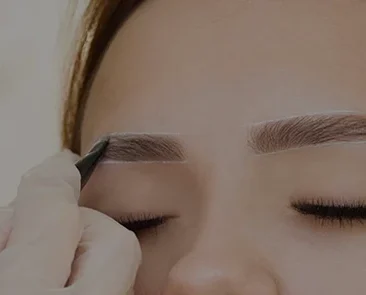
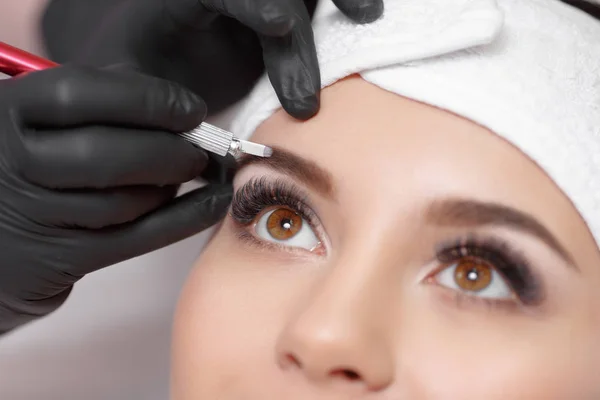
The Eyebrow tattoo is a technique in which permanent ink is applied to the eyebrow area. The goal is to create a fuller appearance by adding color to the skin’s surface. However, this ink has nothing to do with the hair follicle.
Over time, the paint’s color may fade or change. For this reason, it may need to be repainted at regular intervals. In short, this application is a method of surface coloring.
What Is Eyebrow transplant?
Eyebrow transplant is performed by transplanting the patient’s own hair follicles into the eyebrow area. Since the follicles used are harvested from the back of the head, they are resistant to hair loss. As a result, the outcome is permanent and natural.
The transplanted hair grows over time and takes on the same shape as your own hair. The detailed process Long FUE eyebrow transplant We discussed this on our page. This method offers a permanent solution.
Is the Eyebrow Tattoo Permanent?
The question of whether a Eyebrow tattoo is permanent is one of the most frequently asked questions. Even though permanent ink is used, the tattoo fades over time and its color may change. For this reason, it is not considered a truly permanent solution.
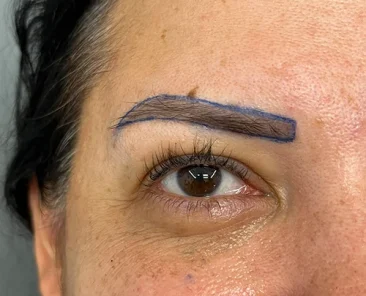
In addition, the color may fade to blue or gray over time. This creates a need for touch-ups or refinishing. For those seeking long-lasting results, this is a significant limitation.
A Comparison of the Two Methods
The table below compares the two methods based on their key features.
| Feature | Eyebrow Tattoo | Eyebrow Transplant |
|---|---|---|
| Method | Skin dye | One's own hair follicle |
| Durability | Temporary, solar | Permanent |
| Naturalness | Two-dimensional | Three-dimensional, natural |
The table summarizes the key differences between the two methods.
The Difference Between Eyebrow transplant in Terms of Naturalness
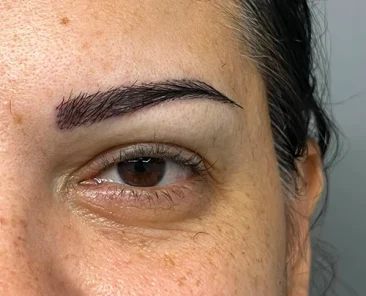
Naturalness is the most noticeable difference between the two eyebrow transplant methods. Since Eyebrow transplant uses your own hair, it produces a three-dimensional and natural result. The dye method, on the other hand, creates a two-dimensional appearance on the skin’s surface.
This three-dimensional realism Does an eyebrow transplant look natural? We explained this in detail in our article. A solid line created with paint can never produce the same effect as real, moving hair. This difference becomes even more apparent under light and at close range.
What Is the Difference in Terms of Durability?
Longevity is the most important distinction between the two methods. Since Eyebrow transplant is done using your own hair, it lasts a lifetime. The dye applied to the skin, on the other hand, fades over time and requires touch-ups.
For this reason, eyebrow transplant stands out for those seeking a long-term solution. A permanent solution eliminates the need for repetitive tasks. This distinction is one of the most decisive factors in the decision.
How Does the Process Work in Eyebrow transplant?
The procedure is performed under local anesthesia and is completely painless. Each hair follicle harvested is implanted one by one at an angle that follows the natural growth pattern of the hair. The International Society of Hair Restoration Surgery (ISHRS) According to the data, 200–400 grafts are usually sufficient for a eyebrow procedure.
In the literature, graft survival rates are generally reported as 90 percent or higher; in procedures performed by experienced practitioners, this rate can reach 95 percent. This high survival rate is the foundation for a lasting result. The procedure takes an average of 4 to 6 hours.
Color Change and Natural Appearance
Color changes over time are a common occurrence with paint. As the paint fades, it can give the surface an artificial appearance. This becomes particularly noticeable up close.
With Eyebrow transplant, there is no change in color because your own hair is used. This is a significant advantage in terms of achieving a natural-looking result. The color and texture of your own hair preserve its natural appearance.
Cost Comparison
Although the cost of the first treatment may seem low, the follow-up sessions required as the color fades will gradually increase your expenses over time. The touch-ups and corrections needed as the color fades add up to a significant total over the years. A permanent solution, on the other hand, is completed in a single session and breaks this cycle from the start.
That is why, when evaluating a budget, one should focus not on the one-time fee but on the total long-term cost. The renewal fees paid over the years often exceed the cost of a permanent solution. For those who think long-term, this calculation is the deciding factor.
Which Method Is Right for Whom?
Only those who want to temporarily cover up a patch of missing hair should consider a tattoo. On the other hand, for those seeking permanent, natural-looking fullness using their own hair, hair transplantation is the only realistic option. In other words, the choice depends on how permanent a result the person is looking for.
The direction of the Eyebrow hair, skin structure, and the condition of the donor area also influence this decision. Since these variables vary from person to person, it would not be appropriate to make a standard recommendation. Therefore, the most accurate decision can only be determined through an evaluation by a specialist.
Common Misconceptions and Facts
The most common misconception is the belief that this ink is truly permanent. In reality, the ink fades over time and requires touch-ups. Another misconception is the idea that the tattoo looks as natural as a birthmark.
Such misconceptions The Risks of Permanent Eyebrow Makeup We discussed this in our article. Accurate information is the foundation for choosing the right method.
How Should You Choose the Right Method?
The first step in the decision-making process is to determine what matters most to you. If longevity and a natural hair texture are important to you, your preference will naturally lean toward a hair transplant. Clarifying your priorities significantly simplifies what may seem like a complex choice.
The current density of your Eyebrow and your donor area are also factors that contribute to this picture. It is difficult to interpret these details accurately on your own. At this point, an expert’s evaluation is the most reliable guide.
Personalized Assessment for the Right Choice
Since each person’s eyebrow profile and expectations are different, the most appropriate method is determined through a personalized evaluation. Your Eyebrow profile, donor area, and treatment goals are discussed together during this consultation. This allows us to determine the solution that is best suited for you.
Instead of generic phrases, a plan tailored specifically for you clearly demonstrates which method is right for you. This way, both your expectations and the most suitable solution are clear from the start. This initial assessment marks the beginning of a natural and lasting journey toward eyebrowa.
Why Is Tattoo Removal So Difficult?
For people who are unhappy with their Eyebrow tattoo, removing the ink is a challenge in itself. The pigment embedded in the skin cannot be completely removed without additional procedures, such as laser treatment. This process is both time-consuming and costly.
In October, however, there is no such issue with the hair reverting to its original state; the result is your own natural hair. If desired, the hair can be brushed and styled, and it can be managed with daily care. This flexibility demonstrates the convenience of a permanent solution.
Changes in the Dye Remaining on the Skin Over Time
Pigment applied to the skin is affected over time by sunlight and skin renewal. For this reason, the initial shade may lighten or shift to a different color over the course of several months. This change is an inevitable process with superficial tattooing.
With a result achieved using your own hair, however, there is no such shift in tone. The color and texture of natural hair remain consistent over the years. This consistency is a key factor that sets this permanent solution apart.
This content is based on experience with comparing eyebrow methods and finding permanent solutions Dr. Handan Yavuz Prepared and reviewed by a (Medical Aesthetics Specialist).
Frequently Asked Questions
If you want a permanent and natural-looking result, eyebrow transplant is the best choice. For a temporary color change, you might consider a eyebrow tattoo.
Even if permanent dye is used, it will fade over time and the color may change. For this reason, it cannot truly be considered a permanent solution.
Eyebrow transplant looks three-dimensional and natural because it uses your own hair. The Eyebrow tattoo, on the other hand, creates a two-dimensional appearance.
Yes, over time, the color may turn blue or gray. This may necessitate a touch-up or repainting.
Eyebrow transplant is a one-time procedure and does not require touch-ups. The Eyebrow tattoo, on the other hand, may become more expensive over time due to the need for regular touch-ups.
The most appropriate method is tailored to the individual. Your expectations and eyebrow profile will be assessed and determined during a free preliminary consultation.
Dr. Handan Yavuz
MAKE AN APPOINTMENT