

Pain-Free Eyebrow Transplantation — The Standard of Comfort in Facial Aesthetics: Pain-Free Surgical Approaches
For many people who feel unhappy with their facial expressions due to eyebrow loss, thinning, or scarring, eyebrow transplantation is the most permanent solution. However, the psychological barriers that lead patients to postpone this decision are primarily the surgical process evoked by the word “surgery,” a fear of needles, or anxiety about the pain felt during the procedure. Yet, thanks to recent advancements in medical technology, anesthesia protocols, and microsurgical techniques, modern procedures performed today are completely comfortable and painless eyebrow transplant procedure offers these standards.
Performed at our clinic by Dr. Handan Yavuz Long FUE (Shave-free, long-follicle eyebrow transplantation) procedures are designed to optimize patient comfort and safety down to the finest detail. This technique ensures that not only the procedure itself but also the recovery process is pain-free and hassle-free. Performed without shaving the hair, using stitches, or causing significant trauma to the skin, the eyebrow restoration process transforms into a peaceful day of rest at the clinic for our patients. In this comprehensive guide, we will examine the clinical stages of pain-free eyebrow transplantation, the anesthesia technologies used, and what to expect on the day of the procedure, all with scientific detail.
Why Is There No Pain? Needle-Free Local Anesthesia Technology
The most fundamental guarantee that no pain will be felt during the procedure is modern anesthesia techniques. Traditional local anesthesia The injection needles used in these procedures are a cause for concern in and of themselves. To address this concern, our clinic uses needle-free pressurized anesthesia systems.
The system works as follows and offers the following level of comfort:
- Pressure Technology: The needle-free anesthesia device sprays the anesthetic solution under the skin through a microscopic pore at high pressure. There is no sensation of a needle prick or puncture on the skin.
- Quick Agreement: The pressure-dispersed solution penetrates a much larger area of the tissue within seconds, providing rapid and uniform numbing.
- Support with Micro-Needles: After the initial numbing is achieved using the needle-free device, the finest micro-needles are used to ensure that the deep tissues remain numb for an extended period. At this stage, the patient feels no prickling sensation because the initial numbing has already taken effect.
This comfortable start, Eyebrow transplantation under local anesthesia It is the most critical part of our protocols and ensures that the patient enters the operating room in a calm state of mind.
Step-by-Step Guide to a Pain-Free Long FUE Eyebrow Transplant Procedure
The pain-free eyebrow transplant procedure we perform at our clinic is a carefully planned surgical process that begins the moment the patient enters the clinic and continues until the patient is discharged. The procedure consists of a total of five main stages:
Phase 1: Consultation, Digital Planning, and Golden Ratio Design
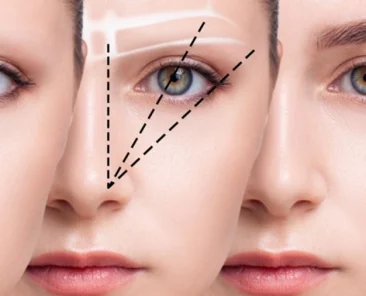
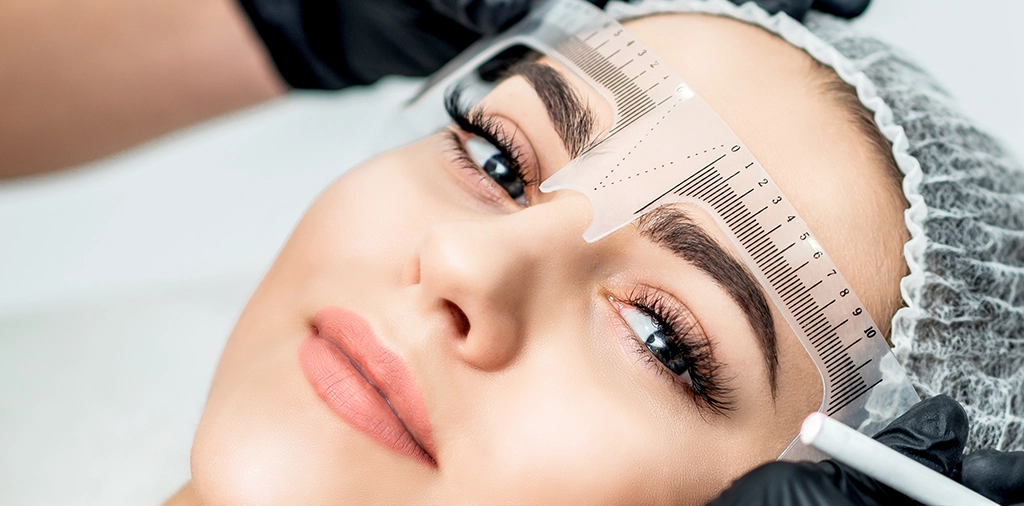
In the first stage, the patient’s facial proportions are assessed. Using a golden ratio compass, the starting point, the curve, and the endpoint are marked. Once the marking is complete, the patient’s consent is obtained. Since no surgical intervention is involved at this stage, there is no pain involved.
Step 2: Preparation and Anesthesia of the Donor Site
The micro-area where only the hair follicles will be extracted is sterilized without shaving the hair on the back of the head. The donor area is completely numbed using a needle-free pressure anesthesia device. Once numbness sets in, the patient feels only a slight sensation of touch in this area; any sensation of pain is completely blocked.
Step 3: Sutureless Harvesting of Micrografts
Individual hair follicles are extracted one by one from the donor area using micro-surgical punches with diameters ranging from 0.6 to 0.7 mm. Since the extraction is performed without sutures, there is no tearing of the tissue or deep incisions. During the extraction process, the patient can rest in a lying-down position.
Step 4: Anesthetizing the Eyebrow Area and Creating the Channels
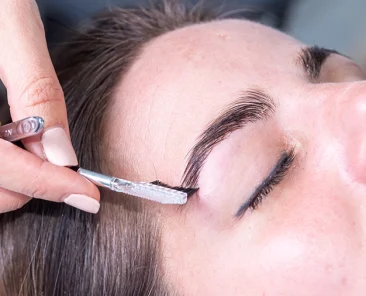
The area where the eyebrow transplant will be performed is completely numbed using a needle-free anesthesia protocol. Then, using sapphire microblades, microchannels are created at narrow angles of 10–15 degrees, adhering to the golden ratio lines. The use of sapphire tips minimizes tissue trauma and reduces the risk of post-operative swelling to a minimum.
Step 5: Placement of Long Hair Grafts
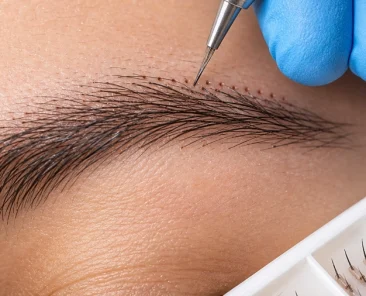
The harvested long hair follicles are placed one by one into the incisions. Since the Shave-Free Long FUE technique is used, the direction and angle of the hair are controlled in real time. The procedure is completely painless, and during this time, our patient can listen to music or chat with our team.
To get detailed information about how long the process takes How long does an eyebrow transplant take? You can review our article.
The Difference in Surgical Experience Between Classic FUE and Long FUE
A traditional method Classic FUE eyebrow transplant Compared to traditional FUE, the Long FUE technique offers patients superior comfort at every stage. In traditional FUE, the need to shave the hair causes anxiety for the patient before the procedure, while the bandaged appearance and red spots after the procedure delay the return to social life. In Long FUE, however, neither the donor area nor the eyebrow region is shaved, so the aesthetic appearance is preserved. This new-generation surgical experience, focused on comfort, Long FUE eyebrow transplant prices is the most significant added value of our service.
The Patient's Journey During the Surgical Process (Comfort Map)
The table below summarizes a patient’s pain levels (based on a scientific visual analog scale ranging from 0 to 10) and clinical course from the start of surgery through to the end of recovery:
| Operational Phase | Application Period | Average Pain Level (0–10) | Patient Location and Activity | Clinical Comfort Standards |
|---|---|---|---|---|
| Local Anesthesia | 10–15 minutes | 1–2 (A slight sensation of pressure) | Semi-reclining position | Needle-free anesthesia and cooling sprays |
| Grafting | 1–1.5 hours | 0 (Zero Pain) | Lying on your stomach, resting | Ergonomic medical beds, music |
| Channel Opening | 30–45 minutes | 0 (Zero Pain) | Lying on the back, awake | Sapphire-tip comfort, conversation |
| Graft Placement | 1.5–2 hours | 0 (Zero Pain) | Lying on your back, active communication | Watching TV, food/drink break |
| 1–3 Days After Surgery | Rest at home | 1 (Mild tingling) | Daily activities | Full control with over-the-counter pain relievers |
As clearly shown in the table, even during the local anesthesia phase—which is often the source of the most concern—the level of discomfort felt is negligible. Furthermore, it is scientifically impossible for the patient to feel any pain or discomfort during the remainder of the procedure.
Post-Surgery Period: How to Ensure a Comfortable Recovery?
It is just as important to ensure a comfortable recovery period after the procedure as it is to ensure a comfortable procedure day. The day after the procedure, once the effects of the local anesthesia have completely worn off, you may feel a mild tingling sensation in the eyebrow and neck area. This is a normal sign that the tissues are beginning to heal.
The protocols we follow to enhance the comfort of recovery are as follows:
- Mild Analgesic Support: The over-the-counter pain relievers (containing acetaminophen) prescribed to our patients after surgery completely alleviate any mild soreness or discomfort that may occur. There is never a need for strong painkillers.
- Measures to Prevent Edema: To prevent swelling in the forehead area, it is sufficient to sleep with your head slightly elevated for the first 3 days and apply a cold compress to the area around your eyes.
- Special Cleaning and Care Kit: Our special lotions and foam shampoos, which do not dry out the skin and accelerate wound healing, soften scabs during the healing process to make them fall off more easily and prevent a feeling of tightness.
Our Approach for Patients with a Fear of Needles
The fear of needles (belonephobia) is the main reason many people hesitate to undergo cosmetic procedures. We do not downplay this anxiety; instead, we begin by acknowledging that the patient is experiencing genuine discomfort. Needle-free pressure anesthesia systems provide significant comfort specifically for these patients.
Explaining step by step what you will feel before the procedure helps prevent any unexpected moments. Most patients feel significantly more at ease once they realize that the part they were afraid of actually lasts only a few seconds.
If necessary, a mild sedative may also be considered prior to the procedure. Our goal is to provide you with an experience where you feel in control, without leaving you to face your fears alone.
Mental Relaxation During Surgery
A pain-free procedure is made complete not only by physical comfort but also by mental comfort. During the procedure, you can lie back, listen to your favorite music, or chat with our team. This calm environment makes the time pass much more quickly.
Some of our patients take a short nap during the procedure. As your body relaxes, muscle tension decreases, which has a positive effect on both your comfort and the healing process.
We’ll share some simple techniques with you before the procedure to help you slow your breathing. These details, though they may seem small, can significantly change the overall experience.
The Impact of a Pain-Free Experience on Patient Satisfaction
Whether the procedure is pain-free directly affects the patient’s outlook on the recovery process. Patients who have a comfortable experience are more willing to follow care recommendations and do not miss their follow-up appointments.
A procedure performed under anxiety leaves a negative impression, even if the outcome is successful. That is why we view comfort as an integral part of the aesthetic result.
Most of our patients say, “I didn’t think it would be this comfortable,” after their surgery. This feedback shows why a pain-free approach is such an important standard for us.
The Origins and Management of Medical Anxiety
For many patients, the fear of surgery stems from a negative medical experience they had as children. This anxiety is completely understandable, and rather than ignoring it, we prefer to address it through open communication.
Knowing every step of the process in advance gives you a greater sense of control. Knowing that there won’t be any unexpected surprises alleviates much of your anxiety right from the start.
At my clinic, I never rush my patients. Starting when you feel ready is best for both your comfort and the smooth flow of the procedure.
Expectations vs. Reality of Postoperative Pain
Many patients expect to experience severe pain after surgery. In reality, however, the sensation felt once the effects of local anesthesia wear off is usually just mild tenderness and can be easily managed with over-the-counter pain relievers.
Avoiding strenuous activity on the first night and keeping the head slightly elevated further reduces this sensitivity. Most patients do not experience significant discomfort the next day.
This discrepancy between the expected pain and the pain actually experienced is one of the things that surprises patients the most. Accurate information helps prevent unnecessary anxiety.
The Role of Sedation in Enhancing Comfort
For patients experiencing severe anxiety, mild sedation may be considered in addition to local anesthesia. This helps the patient relax without losing consciousness and enables them to undergo the procedure in a much calmer state.
We determine whether sedation is necessary by assessing the patient’s anxiety level and overall health. It is not routinely administered to every patient; it is used only when necessary.
Our goal is to create a personalized plan that puts your comfort first. Your comfort is just as important to us as our operational decisions.
The Psychological Impact of the Operational Environment
A comfortable experience depends not only on the medical procedure itself but also on the environment you’re in. A calm atmosphere, subdued lighting, and a friendly staff can lower your anxiety levels without you even noticing.
We’ll keep you informed throughout the procedure; knowing what’s happening helps you feel more in control. As uncertainty fades, you’ll naturally feel more at ease.
This holistic approach transforms a pain-free procedure into a peaceful experience. Seeing our patients leave our clinic feeling relaxed is the most valuable feedback we can receive.
The First Night After Surgery and Comfort
The comfort of a pain-free procedure is further enhanced when the first night is managed properly. The mild sensitivity felt after the local anesthetic wears off can be easily managed with over-the-counter pain relievers. Most of our patients get through the first night without experiencing any significant discomfort.
Sleeping with your head slightly elevated helps minimize swelling. It is important to rest on your back without touching the area to protect the grafts.
Here are some small but effective tips for your first night: the right pillow arrangement and a calm environment will directly enhance your comfort. These simple measures will help you wake up feeling much more refreshed the next day.
Knowing that you can reach us even at night if you have any concerns puts most patients at ease. Being accessible is an integral part of the care we provide.
An Approach That Prioritizes Comfort
Pain-free eyebrow transplantation is not merely a technical choice; it is the result of an approach that prioritizes the patient’s experience. When needle-free anesthesia, a calm environment, and transparent communication come together, most patients find the process much more comfortable than they expected.
We know that comfort isn’t limited to the procedure itself—it extends into the recovery period as well. That’s why we’re with you every step of the way, from before the procedure through to your first night at home.
The best feedback we can receive is seeing our patients leave our clinic feeling relaxed and confident. Comfort is an integral part of a successful outcome.
The best way to overcome fear of surgery is to understand the process and feel that your comfort is a priority at every step. Needle-free anesthesia, a calm environment, and a team that keeps you informed throughout the process naturally alleviate most of your anxiety. Starting when you feel ready is the best choice for you. Your comfort is just as important to us as the surgical decisions themselves, and we plan the process accordingly.
In short, a pain-free procedure is made possible by combining the right technique with a patient-centered approach. When you share your concerns with us, we are happy to re-plan the process with your comfort as our top priority. A comfortable and safe experience is the first and most important step toward both a successful outcome and long-term patient satisfaction.
Frequently Asked Questions
General anesthesia poses unnecessary risks for microsurgical procedures such as eyebrow transplants. Since the procedure is completely pain-free with needle-free local anesthesia, there is no need for sedation or general anesthesia.
Yes, to ensure the patient’s comfort during the procedure, short breaks are provided after graft harvesting or during the transplantation phase for rest, bathroom breaks, and light snacks.
The numbing effect of the local anesthetic solution lasts an average of 5 to 8 hours in the surgical area. This duration is more than sufficient to ensure the procedure is completed completely pain-free.
You may experience a mild headache on the evening of the procedure due to local anesthesia or fluid loss. This will subside quickly with plenty of water and a simple pain reliever recommended by your doctor.
Local anesthetics act only in the area where they are applied and are rapidly metabolized by the liver and kidneys, then excreted from the body in the urine. They have no systemic side effects.
Thanks to their smooth surfaces, sapphire tips do not tear the tissue as they enter the skin, creating a clean incision. This significantly reduces trauma during the procedure and the degree of discomfort that may be felt afterward.
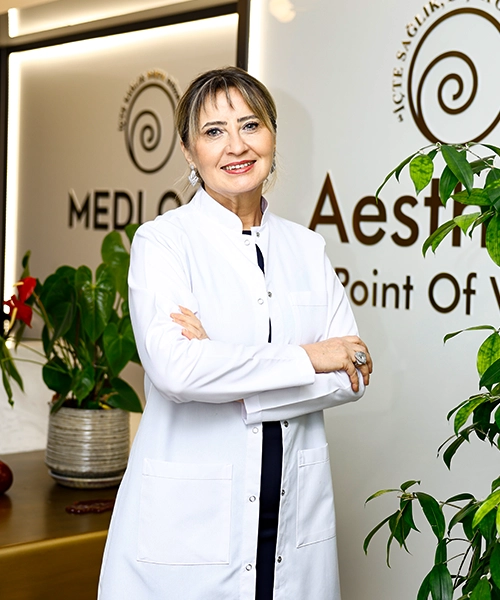
Dr. Handan Yavuz
MAKE AN APPOINTMENT