

Natural-Looking Eyebrow Transplantation — The Secret to Naturalness: Achieving Natural Results in Eyebrow Restoration
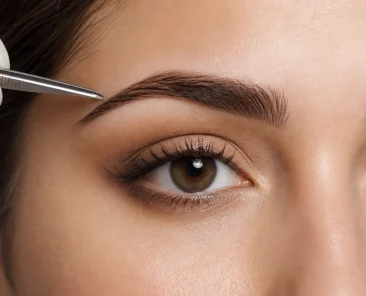
In the world of modern medical aesthetics, the greatest proof of a successful procedure is that it is not noticeable to the untrained eye. This rule applies even more strictly to the eyebrows, which are the most prominent feature of the face. The artificial and exaggerated eyebrow transplantation methods used in the past have now been completely replaced by techniques that remain faithful to the patient’s own hair structure and facial proportions. natural looking eyebrow transplant has left it up to the practitioners. However, the natural appearance of an eyebrow transplant is not a matter of chance; it is entirely the result of the correct graft selection, microsurgical precision, and respect for facial geometry.
Performed at our clinic by Dr. Handan Yavuz Long FUE One of the most critical factors in achieving a natural look in these procedures is the “single-graft selection and placement” protocol. The hair follicles on our scalp are mostly found in groups of two, three, or four (follicular unit(in clusters), whereas eyebrow hairs are, by nature, always composed of single follicles. If this physiological fact is not taken into account during the transplant, the result will unfortunately be an unnatural and coarse appearance. In this study, we will examine why single-graft transplantation is so important, how hair follicles are adapted to the eyebrows, and the steps involved in achieving a natural result.
What Is Single-Graft Selection and Why Is It Critical?
The goal of hair transplantation is generally to achieve maximum density. For this reason, double, triple, or multiple grafts taken from the back of the head are transplanted directly into the scalp. While multiple grafts create natural volume in the hair, they can lead to a complete disaster when used on the eyebrows.
Transplanting two or three hair follicles into the eyebrow area causes more than one thick hair to grow from the same follicle. This creates an extremely unnatural appearance, referred to in medical literature as the “plug” appearance or “brush effect.”.
To achieve a natural-looking eyebrow restoration, the following steps should be followed:
- Microscopic Sorting: The grafts harvested from the donor site are examined under a microscope. The multiple grafts contained within them are separated one by one using a microdissection technique and converted into single grafts.
- Selecting the Wire Diameter: Not all hair in the back of the head is the same thickness. The areas near the back of the ears and the nape of the neck have finer hair strands. These finest-textured hairs are preferred for eyebrow transplants.
- Smooth Transitions: While the outer edges and starting points of the eyebrows are created using the finest hairs, slightly thicker hairs are used in the middle sections to create a natural transition and add depth and volume.
The Direct Relationship Between the Long FUE Technique and Natural-Looking Results
One of the key features of a natural eyebrow is that the hairs do not lie flat against the skin but have a slight curve. Traditional Classic FUE eyebrow transplant In this method, the donor area is shaved, and the hair follicles are transplanted with the roots cut very short. In this case, it is quite difficult for the surgeon performing the transplant to predict the natural direction of the hair’s curl (whether it curves inward or outward). This estimation error causes the hair to grow in different directions after healing, disrupting the natural flow.
In contrast, the Long FUE technique completely eliminates this problem because it allows for the transplantation of long hair follicles without shaving. Since the hair is long, the physician can see its natural curl with the naked eye and place it in the channel at the most precise angle.
This real-time view ensures a perfect angle of placement across all areas of the eyebrow. Additionally, working with longer hairs allows the patient to see the final result in the mirror as the procedure is being performed. This makes the process extremely transparent and reassuring for the patient.
The Effect of the Golden Ratio and Angle Control on Naturalness in Eyebrow Design
Just as important as the selection of grafts is how well the design in which these grafts are placed harmonizes with the facial features, as this determines the natural appearance. Long FUE Eyebrow Transplant golden ratio design Thanks to this, the starting point, curve, and ending point of the eyebrow are calculated down to the millimeter based on the patient’s eye, nose, and temple bone anatomy. Artificial curves or tails that are too long—which go against the face’s natural symmetry—immediately destroy the natural look.
However, the angle at which the cuttings are planted should be kept between 10 and 15 degrees. If this narrow angle is not maintained, eyebrow transplantation in eyebrow transplantation This creates a problem, which is the furthest thing from a natural result. Implanting single grafts at the correct angle and adhering to the golden ratio guidelines is the most important factor in ensuring the success of the procedure.
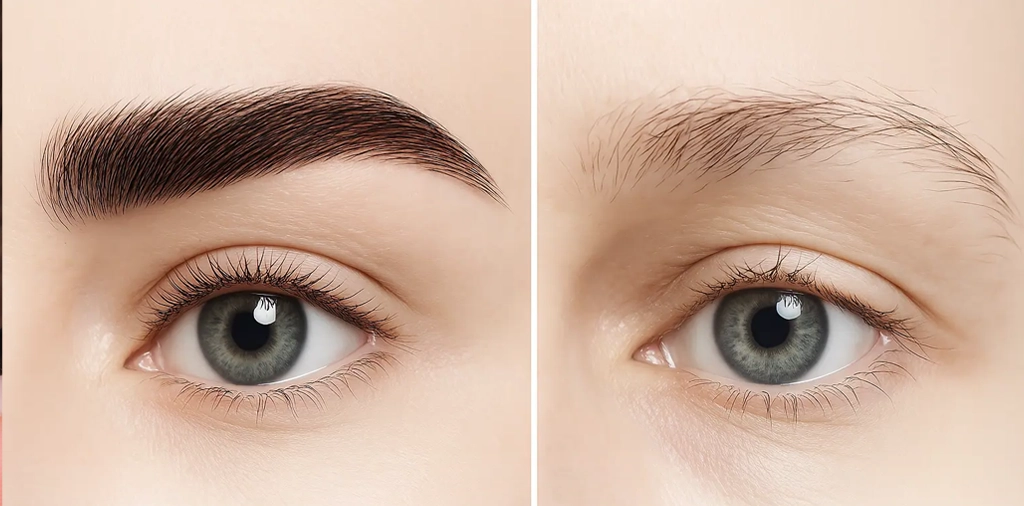
Aesthetic Differences Between Single and Multiple Grafts in Eyebrow Transplantation
The comparison table below clearly illustrates the aesthetic and technical differences between using a single graft and using multiple grafts in eyebrow restoration:
| Criteria | Single Graft Procedure | Multiple Graft (Double/Triple) Procedure |
|---|---|---|
| Visual Naturalness | Perfect (Indistinguishable from your natural eyebrows) | Weak (creates a brushstroke or grass-like effect) |
| Tissue Adhesion on the Skin Surface | Proper and smooth healing | Slight bulges or indentations at the base of the root |
| Angle Control Volume | Very easy to use and adjustable with millimeter precision | Difficult (Different hairs push against each other, causing the direction to be thrown off) |
| Eyebrow Starting Point Alignment | Maximum (Provides a feather-soft start) | Not recommended (Creates very harsh and sharp lines) |
| Labor and Labor Intensity | High (Requires individual separation under a microscope) | Seed (Sown directly) |
Recovery Period Recommendations for Natural Eyebrow Restoration
The natural appearance of the eyebrows immediately following the procedure becomes permanent when the subsequent aftercare process is properly managed. The transplanted single grafts attempt to take root during the first 10 days. During this critical period, the eyebrows must not be scratched, rubbed, or subjected to any impact. The micro-scabs that form during the first week will completely fall off around the 10th day with gentle washing using warm water.
The transplanted hairs enter the shock loss phase starting in the second week. This shedding is a temporary and normal occurrence that indicates the roots remain healthy beneath the skin. New eyebrow hairs begin to grow starting around the third month.
At first, these hairs grow quickly, exhibiting the characteristics of natural hair, but over time they adapt to the blood circulation and metabolism of the eyebrow area, beginning to grow more slowly and become finer. By the end of the first year, they have fully integrated with the natural eyebrow tissue.
How Natural Eyebrows Change Over the Years
Natural-looking eyebrow transplants should not be judged solely by their appearance immediately after the procedure. Over time, the transplanted hairs adapt to the tissue of the eyebrow area, their growth rate slows down, and their structure becomes more similar to that of natural eyebrow hair.
Thanks to this adjustment process, your eyebrows will look more and more natural as the years go by. The hairs, which require weekly trimming in the first few months, will enter a much easier-to-maintain growth cycle starting in the second year.
You can shape your eyebrows just like your natural ones and trim them as needed. This dynamic design offers a level of flexibility that permanent makeup and other fixed applications cannot provide.
Post-Surgery Care for a Natural Look
A natural result depends not only on the procedure itself but also on the care you take in the weeks that follow. Avoiding touching your eyebrows in the first few days, not picking at the scabs before they’re ready to fall off, and following the recommended cleansing routine are key to maintaining a natural look.
You must keep the area free from mechanical friction until all the roots have taken hold. Being patient during this period ensures that the new hair grows properly and evenly.
In the coming months, once your eyebrows have settled into their natural growth cycle, they won’t require any special care beyond light shaping. When combined with proper care, natural-looking eyebrow transplantation provides a low-maintenance result that lasts for years. Keeping up with your follow-up appointments throughout the process ensures the best possible outcome.
Frequently Asked Questions
Natural eyebrows grow as a single hair from a single follicle. When multiple grafts are implanted, however, 2–3 thick hairs grow from the same point, which looks unnatural because this does not occur in nature.
No, both single and multiple grafts are harvested from the donor area. However, prior to the eyebrow transplant, the harvested multiple grafts are separated into single grafts using special techniques under a microscope.
Thanks to Long FUE, a natural appearance is visible immediately after the procedure. Following the shock loss and regrowth phases, the hair settles into its natural form by the 6th month and achieves its final natural look by the 12th month.
Yes, because the areas behind the ears and at the nape of the neck have the finest hair strands, they are among the most commonly chosen donor sites for natural eyebrow restoration.
No. Since your own hair follicles are used, your eyebrow color will match your hair color perfectly. Once the healing process is complete, there will be no need for additional coloring.
On the contrary, the transplanted hair gradually adapts to the texture of the eyebrow area over time, losing its initial stiffness and taking on a softer, more natural appearance.
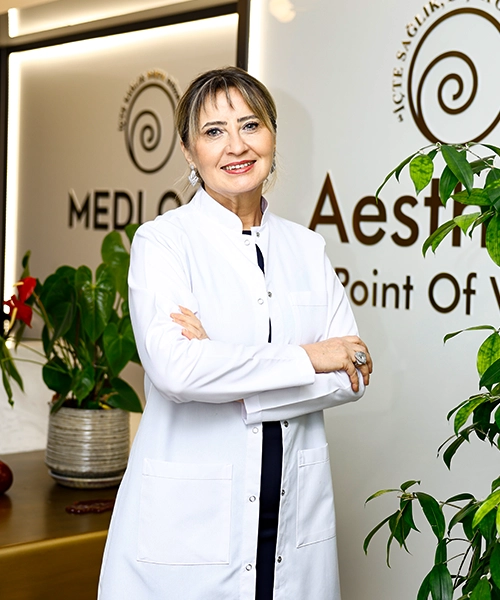
Dr. Handan Yavuz
MAKE AN APPOINTMENT